Published by
Gold Expert

Inheriting gold, silver, or jewelry in Fairfax County brings both opportunity and uncertainty. An accurate estate appraisal helps you understand what you own, what it's worth, and how to proceed—whether that means selling, insuring, or simply holding onto family heirlooms.
This guide walks you through the types of appraisals available in Northern Virginia, how precious metals and jewelry are actually valued, and what to expect when you visit a local dealer in Chantilly or Vienna.
What Is an Estate Gold (or Silver) Appraisal?
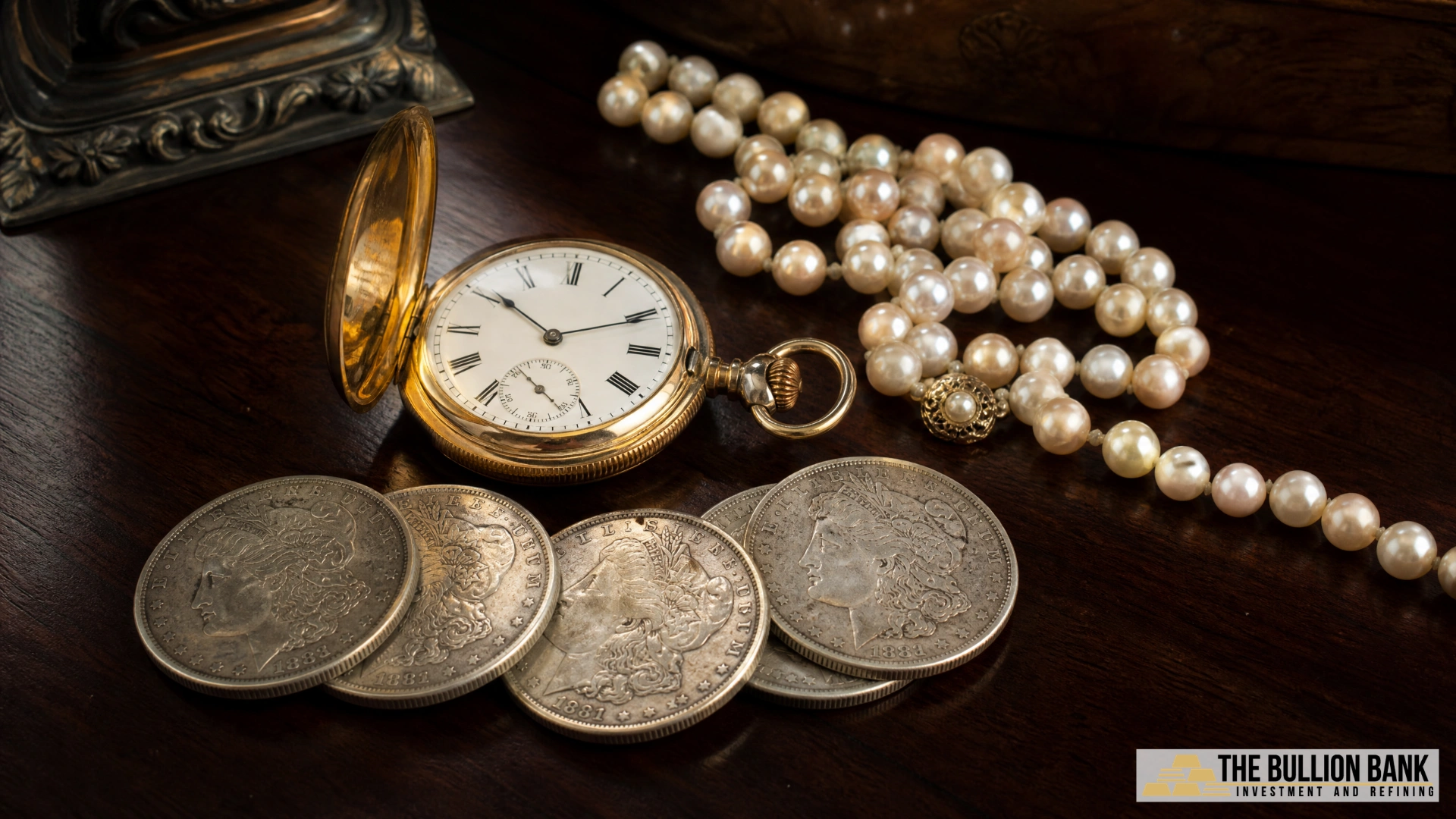
An estate gold (or silver) appraisal is a professional valuation of precious-metal items connected to an inheritance, probate case, or estate planning situation. It can cover jewelry, bullion coins, bars, scrap gold, silverware, and other valuable metals left behind by a family member.
In practice, people usually want one of two things from an "appraisal":
- A formal written appraisal for legal, tax, or insurance purposes, prepared to recognized standards and often required by courts or the IRS.
- A market offer showing what a knowledgeable buyer will pay today based on current metal prices, gemstone quality, and collectibility.
Understanding which type you need is the first step toward an accurate, useful valuation. At The Bullion Bank, our team in Chantilly and Vienna handles both types of valuations daily, including cash for gold evaluations, helping Fairfax County heirs choose the right path for their situation.
Why Accuracy Matters in Fairfax County Estates
Fairfax County estates often involve significant assets and complex family dynamics. Inaccurate or inflated valuations can create problems with probate filings, estate taxes, and disputes among heirs.
Executors and attorneys in Northern Virginia frequently require credible, defensible appraisals for court documents and IRS compliance. That makes the appraiser's credentials, methodology, and local market knowledge especially important.
Many Fairfax families choose specialists in Chantilly or Vienna who understand both bullion markets and estate documentation needs, ensuring valuations are both realistic and compliant. The Bullion Bank has served the DMV region since 2008, working regularly with executors, attorneys, and families on estate-related valuations.
Types of Jewelry and Precious-Metal Appraisals
Fair Market Value (Estate Tax / Probate) Appraisals
Fair market value is the price a willing buyer would pay a willing seller for an item, with neither party under pressure and both reasonably informed. This is the standard often used for federal estate tax and some probate valuations, as outlined in IRS guidance on estate valuation.
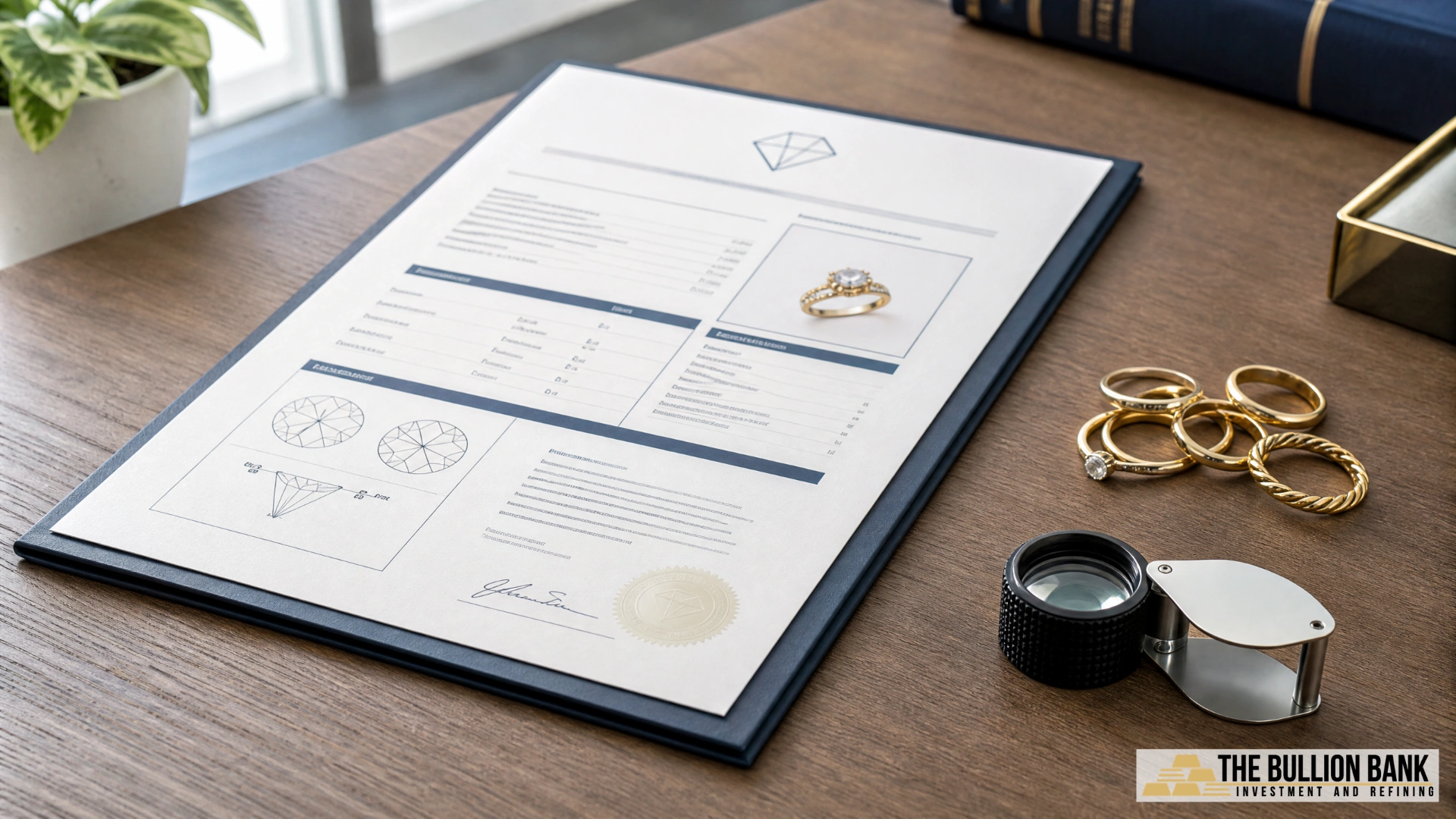
These appraisals must meet specific IRS and state standards. They typically include detailed descriptions, photographs, and clear documentation of the appraiser's qualifications and methods.
Retail Replacement Value (Insurance) Appraisals
Retail replacement value is the estimated cost to buy a similar item new at retail. This figure is often higher than what you could sell the item for today, because it reflects store markups and current retail pricing.
Replacement value appraisals are best suited for insurance coverage, not for deciding how much cash you'll receive if you sell. They answer the question, "What would it cost to replace this if it were lost or stolen?"
Market Offer / Liquidation Appraisals (What You'll Actually Be Paid)
A market offer or liquidation appraisal shows what a dealer or buyer will actually pay for your items today. This is based on the current spot price (the live market price for pure gold or silver, as reported by sources like the World Gold Council and major pricing services), metal purity, weight, gemstone quality, and any collectible or brand value.
For most heirs considering selling estate jewelry in Northern Virginia, this is the number that matters most. It reflects real-world demand and what a knowledgeable buyer is prepared to pay right now. The Bullion Bank provides transparent market offers tied to live spot prices, with clear explanations of how each component of your jewelry or bullion is valued.
How Estate Gold and Silver Are Appraised: Step by Step
Step 1 – Verify Metal Content and Purity
A serious appraiser will test gold and silver to confirm purity rather than relying solely on hallmarks. Common methods include acid tests, electronic testers, and, in some cases, XRF (X-ray fluorescence) technology, along with precise weighing on calibrated scales.
Hallmarks like "14K," "18K," or "925" are checked but not assumed, especially for older or worn estate pieces where marks may be faded or inaccurate.

Step 2 – Evaluate Diamonds and Gemstones
Gemstones are evaluated by carat weight, color, clarity, and cut. These factors affect value differently depending on whether you're seeking insurance replacement value or a cash offer.
In a liquidation context, small or lower-quality melee diamonds may add little to the metal value, even though they matter for insurance purposes. Larger, higher-quality stones and recognized brands carry more weight in a market offer, which matters most if you're deciding whether to sell diamonds or diamond jewelry.
Step 3 – Identify Maker, Brand, and Age
Appraisers look for hallmarks, signatures, and design characteristics that indicate maker, brand, or period. Pieces from recognized houses (such as Tiffany, Cartier, or Bulgari) or from specific eras like Art Deco can command premiums above raw metal value.
Antique and vintage pieces may attract specialized collectors willing to pay more for craftsmanship, provenance, and historical significance.
Step 4 – Price to Current Market Conditions
Professional buyers price gold and silver relative to the live spot price, then adjust for purity, weight, and any collectible or designer value. This ensures the offer reflects current market conditions rather than outdated or generic pricing.
This pricing approach accounts for daily market movement, so the number you're offered today may differ slightly from what you'd see quoted a week earlier. The Bullion Bank's focus on precious metals and numismatic coins means our team prices estate gold and silver with a deep understanding of both bullion markets and collector demand.
Choosing the Right Appraiser in Fairfax County
Credentials That Matter
Look for appraisers with relevant training and affiliations, such as GIA diamond grading education, membership in professional bodies like NAJA or ASA, and experience with estate tax and probate valuations. These credentials signal adherence to recognized standards and ethical practices.
Be aware that "free appraisal" marketing often refers to a quick cash offer, not a formal written valuation suitable for legal or tax purposes. Knowing the difference helps you choose the right professional for your needs.
Local vs. Mail-In vs. National Services: Why Fairfax Families Choose The Bullion Bank
Each option has trade-offs:
- Local in-person appraisers offer transparency, immediate answers, and the ability to see your items under proper lighting and magnification.
- Mail-in services are convenient but introduce risks of loss, delays, and less transparency about testing and pricing.
- National online buyers may offer broad reach but can miss local market nuances and estate-specific considerations.
For Fairfax County estates, working with a local specialist like The Bullion Bank at our Chantilly and Vienna locations makes the whole process easier to manage in person. You can walk in with your items, watch the testing process, ask questions in real time, and receive a clear, written or verbal explanation of value on the spot. This local, in-person approach is particularly valuable when you need to make decisions quickly or when multiple heirs are involved.

Questions to Ask Before You Commit
Key questions help you gauge competence and fit:
- "Do you provide written appraisals that meet IRS and Virginia probate standards?"
- "What credentials and training do your appraisers hold?"
- "How do you determine fair market value versus replacement value?"
- "Can you explain your offer in terms of spot price, metal weight, and stone value?"
Clear, confident answers are a strong sign you're working with a qualified professional. At The Bullion Bank, our team is trained to walk you through each of these points in plain language, whether you're handling a small estate or a complex multi-property inheritance.
Preparing Your Estate Jewelry for Appraisal
Gather any original boxes, receipts, prior appraisals, and estate documents that can help establish provenance and previous valuations. This information can be especially valuable for high-value or branded pieces.
Sort items by type—gold, silver, platinum, gemstone, costume—and note anything with known designer signatures or significant family history. This helps the appraiser work efficiently and ensures nothing important is overlooked.
For large Fairfax County estates, some appraisers offer private, by-appointment evaluations or can coordinate directly with estate attorneys to streamline the process. The Bullion Bank regularly works with executors and attorneys in the DMV region to schedule focused appraisal sessions for larger estates.
What to Expect During an In-Store Appraisal in Northern Virginia
A typical visit includes check-in, secure handling of your items, and transparent testing and grading—often explained in front of you. Reputable dealers show weights, test results, and provide a clear breakdown of how the offer or valuation was calculated.
You should never feel pressured to accept an immediate offer. Professional buyers in Chantilly and Vienna understand that big decisions take time, and won't rush you into an answer.
Common Mistakes to Avoid When Appraising Estate Gold and Silver
Avoid relying solely on online calculators or generic "price per gram" charts. These ignore gemstones, craftsmanship, brand value, and current market demand, leading to unrealistic expectations.
Don't accept the first offer without understanding whether it's based on spot price, retail markup, or an outdated valuation. And remember that insurance replacement value is not the same as what you can realistically sell for today.
Avoid accepting a single lump-sum offer for a mixed lot of items without asking for an item-by-item breakdown. Bundling gold, silver, and gemstone pieces together can obscure which pieces are driving—or diluting—the total value.
When to Get a Formal Written Appraisal vs. a Market Offer
Formal written appraisals make sense for:
- Probate court filings, estate tax returns, divorce settlements, or high-value insurance policies.
- Situations where multiple heirs need a neutral, documented valuation to agree on distribution or sale.
Market offers are more appropriate when:
- Heirs want to sell estate jewelry in Northern Virginia quickly and convert to cash.
- Items are lower-value or costume pieces where a formal appraisal cost would exceed potential benefit.
Many Fairfax families start with a no-obligation market evaluation in Chantilly or Vienna to help decide whether to sell inherited jewelry or pursue a formal written appraisal for specific high-value pieces. The Bullion Bank can provide both types of valuations, helping you choose the right option based on your goals and timeline.
FAQs: Estate Gold and Silver Appraisals in Fairfax County
Q: What is an estate gold appraisal?
A: It's a professional valuation of gold items connected to an inheritance or estate, used for legal, tax, insurance, or sale purposes. It can be a formal written document or a market offer showing what a buyer will pay today.
Q: How much does a jewelry appraisal cost in Fairfax, VA?
A: Costs vary by item complexity and appraisal type. Formal written appraisals typically carry a fee per item or hour, while market offers for potential sale are often provided at no charge.
Q: How long does an estate appraisal take?
A: A basic market evaluation can often be done in a single visit. Formal written appraisals may take several days to a week, depending on the number and complexity of items.
Q: What is the difference between fair market value and replacement value?
A: Fair market value is the price a willing buyer would pay a willing seller under normal conditions. Replacement value is the estimated cost to buy a similar item new at retail, usually a higher figure.
Q: Do I need a written appraisal to sell estate jewelry?
A: No. You can sell based on a market offer without a formal written appraisal. Written appraisals are mainly needed for legal, tax, or high-value insurance purposes.
Q: Where can I get an estate gold appraisal in Fairfax County?
A: The Bullion Bank provides estate gold and silver appraisals at our two Northern Virginia locations:
- Chantilly: 4086 Airline Pkwy, Chantilly, VA 20151 — 703-705-5151
- Vienna: 131 Maple Ave W, Vienna, VA 22180 — 703-705-5252
We handle both market offers for immediate sale and formal written appraisals for probate, tax, and insurance needs.
Q: Can I get an appraisal for estate silver and coins, not just jewelry?
A: Yes. Qualified dealers, including options to sell silver items, appraise silverware, bullion coins, bars, and other precious-metal items in addition to jewelry, using current spot prices and numismatic knowledge where relevant.
Q: Do I need an appointment for an estate jewelry appraisal in Chantilly or Vienna?
A: Appointments are recommended, especially for larger estates or if you need a formal written appraisal. You can schedule an estate appraisal at The Bullion Bank by calling 703-705-5151 (Chantilly) or 703-705-5252 (Vienna). Our team will confirm availability and discuss your needs in advance.
Q: How do I know if an appraisal offer is fair?
A: A fair offer comes with a clear, item-by-item breakdown you can follow—not just a single total. Ask to see the weight, the purity test result, and how each one factored into the price; a reputable appraiser will walk you through it without hesitation.
Q: Should I get multiple appraisals for high-value estate pieces?
A: For high-value items, getting two or more opinions can provide confidence and help ensure you're receiving a competitive, market-based valuation.
Q: What credentials should a Fairfax estate jewelry appraiser have?
A: Look for GIA training, membership in professional appraisal organizations such as the National Association of Jewelry Appraisers or ASA, and experience with estate tax and probate valuations. These indicate adherence to recognized standards.
Q: Can an appraiser help if I'm not sure whether to sell or keep the jewelry?
A: Yes. A knowledgeable appraiser can explain the value drivers, market conditions, and options—such as selling, insuring, or holding—so you can make an informed decision that fits your situation.

Next Steps: Get a Trusted Appraisal at The Bullion Bank
If you're handling an estate in Fairfax County, a clear, accurate appraisal removes guesswork and gives you control over next steps. Working with a licensed, local precious-metals dealer who understands both bullion markets and estate needs can make the process smoother and more transparent.
The Bullion Bank offers in-person estate evaluations at our Chantilly and Vienna locations, with no obligation to sell. Our team explains metal content, gemstone quality, and current market value in plain language so you can decide with confidence.
Visit us:
- Chantilly: 4086 Airline Pkwy, Chantilly, VA 20151 — 703-705-5151
- Vienna: 131 Maple Ave W, Vienna, VA 22180 — 703-705-5252
Hours: Monday–Friday, 11:00 AM–6:00 PM; Saturday, 11:00 AM–5:00 PM; Sunday closed
Call ahead to schedule an appointment, especially for larger estates or if you need a formal written appraisal. If you prefer to browse before you visit, our online store features a curated selection of bullion and coins for investors across the U.S.