Published by
Gold Expert

Quick answer — which is right for you?
A Gold IRA is best when your priority is retirement savings, tax treatment, and long-term holding. Physical gold is best when you want direct ownership, faster liquidity, and full control over when and how you sell.
The real difference is simple: a Gold IRA puts the metal inside a retirement account with formal rules and custodian oversight, while physical gold gives you direct possession and easier access to your money. If you want retirement structure, choose the IRA path; if you want flexibility and immediate control, buy physical gold instead.

What is a Gold IRA?
A Gold IRA is a self-directed individual retirement account that holds precious metals meeting IRS retirement account rules instead of traditional paper assets. "Self-directed" means you choose the metals, while a custodian handles the account administration and keeps the IRA compliant.
The metals must meet government-guaranteed purity standards and be stored in qualified depositories rather than at home. That structure gives the Gold IRA its tax advantages, but it also adds rules, fees, and less direct control compared to owning metal outright.
What is buying physical gold?
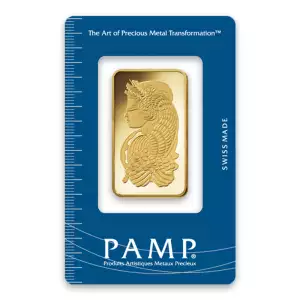
Buying physical gold means you own the metal directly, outside of a retirement account. Typical products include gold bullion bars, coins, and rounds, and sometimes numismatic coins that have added collector value.
Physical ownership gives you immediate control over how and where you store the metal and when you decide to sell. It also means you are responsible for storage security, insurance, and choosing trustworthy buyers when it's time to convert gold back into cash.

Head-to-head comparison
The biggest difference between a Gold IRA and physical gold is how much control you keep versus how much structure you accept. A Gold IRA is more rule-driven and retirement-focused, while physical gold is more flexible and hands-on.
Costs are structured differently. Gold IRAs usually involve setup fees, custodian and administrative fees, and annual storage charges, while physical gold usually involves dealer premiums over the spot price, shipping, insurance, and optional vaulting costs.
Liquidity also diverges. Physical gold can often be sold quickly to a local buyer, while a Gold IRA normally requires custodian processing and a longer liquidation timeline before funds reach your bank account.
Tax treatment is another key difference. A Gold IRA can defer or, in a Roth account, potentially eliminate taxes on gains until distribution, while physical gold is generally taxed when you sell it and realize a profit.

Costs explained — example scenarios
If you're weighing a Gold IRA against buying physical gold outright, your time horizon matters more than the headline price. A smaller account can lose a meaningful share of value to flat storage and administration fees, while a larger retirement allocation can absorb those costs more easily.
Spot price is simply the current market price for one troy ounce of gold. Premium is the amount you pay above the spot price to cover refining, minting, distribution, and the dealer's margin. Physical buyers should compare both carefully, because they directly affect your total cost and eventual resale value.
For short-term needs, physical gold usually wins on flexibility. You buy it, hold it, and sell it when needed without waiting on a custodian, though you still need to account for the spread between the buy and sell prices.
For long-term retirement savings, a Gold IRA can make sense if you value tax deferral and don't mind the added structure. The key is comparing total annual IRA fees against your expected holding period and portfolio size, not just comparing the upfront purchase price.
Tax, legal, and compliance differences
Gold IRAs are governed by retirement-account rules. The metals must qualify for IRA use, be held by an approved custodian, and stay in qualified storage, and your withdrawals follow IRA distribution rules. Tax outcomes depend on whether the IRA is traditional or Roth and when you take distributions.
Physical gold follows a simpler path but still has tax implications. When you sell physical gold at a profit, that gain is generally taxable, and in the United States many coins and bars are treated as collectibles and can be taxed at the 28% collectibles rate rather than standard long-term capital gains rates.
For most investors, this makes the trade-off clear: the Gold IRA offers tax structure and retirement discipline, while physical gold offers more freedom in how you own, store, and sell your metal.

Storage, insurance, and security options
A Gold IRA requires that metals be stored with qualified third-party depositories, which reduces personal theft risk but adds formal custody and ongoing storage fees. You do not handle the metal directly; instead, your custodian and storage provider manage it under retirement-account rules.
Physical gold can be stored at home, in a bank box, or in private vaults, but each choice carries different insurance and security considerations. At home, you may need a safe and expanded insurance coverage; in a private vault, you pay ongoing fees in exchange for professional security and documentation.
For DMV-area buyers, local secure-transfer options can be helpful if you want to see and verify your gold in person before choosing how to store it. Many investors start with a physical purchase they can inspect and then decide whether to keep it locally, ship it insured, or keep future purchases inside a retirement account instead.

How to sell — process and timing
Selling physical gold is usually faster and more straightforward. You can sell to a licensed dealer, have your items appraised, and receive an offer, often on the same day, then decide whether to accept or seek quotes from other buyers.
Selling from a Gold IRA is more procedural. You submit a sale or distribution request through your custodian, the metals are liquidated or moved, and the cash proceeds or distributions are sent according to IRA rules. This process can take several business days or longer, depending on the custodian and depository.
This contrast highlights the core difference between direct ownership and retirement ownership: physical gold favors speed and flexibility, while a Gold IRA favors long-term, rule-based structure.
When a Gold IRA makes sense
A Gold IRA is often a good fit when you are buying specifically for retirement and want the account's tax advantages. It tends to work best for investors with larger balances, where flat fees do not consume too large a share of total value.
It also fits investors who prefer retirement discipline, are comfortable with third-party custody, and do not need immediate access to the metal. If your main goal is to hold gold inside a tax-advantaged retirement framework, the IRA route is the more structured option.
When buying physical gold makes sense
Physical gold is usually the better choice when you want direct ownership, faster resale, and freedom from IRA rules. It fits buyers who prefer to store their metal themselves or in private vaults and who want the ability to sell quickly if circumstances change.
This path is often ideal for first-time buyers, smaller purchases, and anyone who wants a tangible hedge they can see and hold. If you value flexibility more than formal retirement-account structure, buying physical gold is typically the more natural fit.
How The Bullion Bank can help
The Bullion Bank gives you a real-world benchmark instead of only an abstract comparison on paper. As a licensed dealer, the team can show you current pricing, typical premiums, and the spreads you might encounter if you choose physical gold, so you understand your real costs and potential resale outcomes.
That is valuable because not every buyer wants to rely solely on a custodian or a generic online service. Working with The Bullion Bank's experienced team lets you compare the retirement-account path against direct ownership with transparent pricing, in-person verification, and a trusted local point of contact in Northern Virginia.
Next steps & checklist
Start by comparing the total cost of each path over your expected holding period. Request a full custodian fee schedule if you are considering a Gold IRA, and compare it with dealer premiums, shipping, and any storage costs if you plan to buy physical bullion.
Then think about your priorities: tax structure versus flexibility, long-term retirement focus versus immediate access. If you are in the DMV region, you can visit our Chantilly showroom or the Vienna location to review products in person and ask for example scenarios tailored to your budget.
FAQ
Q: What is the main difference between a Gold IRA and physical gold?
A: A Gold IRA is retirement-account gold held under specific rules with custodian oversight, while physical gold is direct ownership that you control yourself, including how you store and when you sell it.
Q: Can I keep physical gold purchased through an IRA at home?
A: No. Metals held inside a Gold IRA must stay in qualified depositories rather than at home; storing IRA gold in your personal safe would normally be treated as a distribution.
Q: Are Gold IRAs safer than keeping gold at home?
A: They reduce personal theft risk by using professional storage, but you give up direct possession and add custodian and storage fees. Home storage offers control but requires strong insurance and security practices.
Q: How much does a Gold IRA cost compared to buying physical gold?
A: Gold IRAs usually include account setup, annual custodian, and storage fees, while physical gold usually includes dealer premiums over spot price, plus shipping, insurance, and any optional vaulting costs. You should compare all-in costs over your expected holding period.
Q: Will I pay taxes when I sell physical gold?
A: In most cases, yes. Selling physical gold at a profit triggers a taxable gain, and many coins and bars are treated as collectibles, which can carry different tax rates than standard long-term stock investments.
Q: How quickly can I sell physical gold vs Gold IRA holdings?
A: Physical gold can often be sold the same day to a local buyer, while Gold IRA liquidation usually takes longer because the custodian and storage provider must process the sale or distribution.
Q: Is a Gold IRA a good idea for small investors?
A: Often not, because flat custody and storage fees can take too large a share of a small balance. Smaller investors frequently find physical gold more cost-effective and flexible.
Q: Which gold products are allowed inside an IRA?
A: Only certain bullion bars and coins that meet specific purity and product standards are eligible for Gold IRAs. Investors usually focus on IRA-eligible gold coins that clearly meet those requirements.
Q: Can I transfer gold from a physical purchase into an IRA?
A: Not directly in most situations. You typically fund the IRA with cash first, then buy eligible metals through the account rather than moving privately owned coins or bars into the IRA.
Q: Do Virginia residents face special rules for buying or selling gold?
A: The general legal and tax framework is similar to other states, but details can vary by product and transaction type. It is wise to confirm current state tax and reporting rules before making large trades.
Q: Where can I sell my gold in the DMV?
A: The Bullion Bank buys and appraises gold at its Northern Virginia locations. The Chantilly showroom is at 4086 Airline Pkwy, Chantilly, VA 20151, phone 703-705-5151, open Monday through Friday 11:00 AM–6:00 PM, Saturday 11:00 AM–5:00 PM, Sunday closed. The Vienna store is at 131 Maple Ave W, Vienna, VA 22180, phone 703-705-5252, open Monday through Friday 11:00 AM–6:00 PM, Saturday 11:00 AM–5:00 PM, Sunday closed.
Q: How do I choose an IRA custodian for precious metals?
A: Compare fees, storage partners, processing speed, and experience with precious metals, review self-directed IRA custodian risks, and ask each provider to clearly explain how they handle purchases, sales, and distributions.
Visit The Bullion Bank in Chantilly or Vienna
If you are still deciding between a Gold IRA and physical gold, take time to compare both paths side by side before committing your savings. Visit The Bullion Bank in Northern Virginia for an in-person appraisal and candid discussion of your options, or call ahead to review example scenarios tailored to your budget.
Chantilly showroom: 4086 Airline Pkwy, Chantilly, VA 20151 — phone 703-705-5151 — Monday–Friday 11:00 AM–6:00 PM, Saturday 11:00 AM–5:00 PM, Sunday closed.
Vienna store: 131 Maple Ave W, Vienna, VA 22180 — phone 703-705-5252 — Monday–Friday 11:00 AM–6:00 PM, Saturday 11:00 AM–5:00 PM, Sunday closed.