Published by
Gold Expert
Inflation quietly eats away at the real value of your cash, but physical gold and silver are widely held for that reason, though how well they have preserved purchasing power depends heavily on the period you measure. At The Bullion Bank, many of our customers ask how adding tangible precious metals can fit alongside their existing savings and investments when prices are rising. By combining physical gold and silver with traditional assets, you can build a more resilient plan for periods when inflation moves faster than bank interest or bond yields.
This article is educational and reflects general information about precious metals and collectible coins. It is not investment, tax or legal advice, and The Bullion Bank is not a registered investment adviser, broker-dealer or tax professional. Metal prices fluctuate and past performance does not indicate future results. Consult a qualified professional about your own situation.
Why Inflation Threatens Your Savings
Inflation is the steady increase in prices over time, which means the same amount of dollars buys less in the future than it does today. Inflation measures the average price level of a basket of goods and services in an economy. When inflation is high and interest on cash is low, money sitting in a checking or basic savings account can lose real purchasing power year after year.
Even “safe” savings can fall behind if inflation outpaces the rate you earn on deposits. Monitoring the inflation rate is crucial when assessing the impact of inflation on your savings. Over a decade, that gap can make a noticeable difference in what your savings can buy, from groceries and gas to education and retirement expenses.
The Impact of Inflation on Conventional Portfolios
Inflation doesn’t just affect the price of groceries or gas—it can quietly undermine the value of your entire investment portfolio. As the consumer price index (CPI) rises, the purchasing power of your money declines, meaning that the same dollar buys less over time. This erosion is especially noticeable in conventional portfolios that rely heavily on cash, bonds, or other fixed-income assets.
When inflation rises, central banks like the Federal Reserve often respond by adjusting interest rates. Higher interest rates can make borrowing more expensive and slow economic growth, but they’re also intended to keep inflation in check. Unfortunately, these moves can negatively impact portfolio performance, especially for bondholders. The aggregate bond index, which tracks the performance of a broad range of bonds, typically falls as inflation rises and existing bonds with lower fixed rates become less attractive. This leads to a decrease in the value of bond portfolios and a reduction in their real purchasing power.
Stock markets and market indexes aren’t immune to inflationary pressures either. As costs rise, companies may face shrinking profit margins, which can lead to lower market capitalization and weaker stock performance. Discretionary spending—money consumers spend on non-essential goods and services—often declines during periods of high inflation, further impacting company revenues and stock prices. Meanwhile, the value of cash held in a savings account or other low-yield vehicles steadily loses ground to rising costs, making it harder to preserve your buying power.
The US dollar, as a fiat currency, is also vulnerable to inflation. As its value declines, so does the global purchasing power of your savings, especially if you’re exposed to international markets or travel. Geopolitical tensions and market manipulation can add further volatility, making it even more challenging to predict future performance based on past results.
For investors, this environment highlights the importance of portfolio diversification. Relying solely on traditional asset classes—stocks, bonds, and cash—can leave you exposed to the risks of rising inflation and lower demand. Incorporating a mix of asset classes, including precious metals like gold and silver, can help hedge against inflation and attract demand during turbulent periods, though not in every one. Industrial metals and other commodities may also play a role, but they come with their own set of risks, including high volatility and sensitivity to industrial demand.
Ultimately, no single investment offers perfect inflation protection. A diversified portfolio, tailored to your risk tolerance and financial goals, is the usual answer to the unpredictable effects of inflation. By staying informed about inflation rates, market expectations, and monetary policy decisions from central banks, you can make more confident choices to protect your wealth—both now and in the future.
Common Strategies to Protect Against Inflation
Most savers start with conventional inflation protection strategies such as: high‑yield savings accounts, certificates of deposit, inflation‑linked bonds (like TIPS), diversified stock funds, and sometimes real estate. These are all different types of investments, each with strengths, but all still rely on the performance of financial markets and the stability of the currency itself.
Because of this, many investors also look to “real” assets—like commodities, real estate, and precious metals—that are not just paper claims on future cash flows. Gold and silver are considered hard assets, meaning they are tangible and have intrinsic value. Investors often turn to hard assets during inflationary periods because they are widely described as safe-haven assets, meaning demand has often risen during market stress or economic uncertainty. Gold and silver sit in this group as long‑standing stores of value that can complement traditional inflation protection strategies rather than replace them.
Gold as an Inflation Hedge
Why the Record Is Shorter Than It Looks
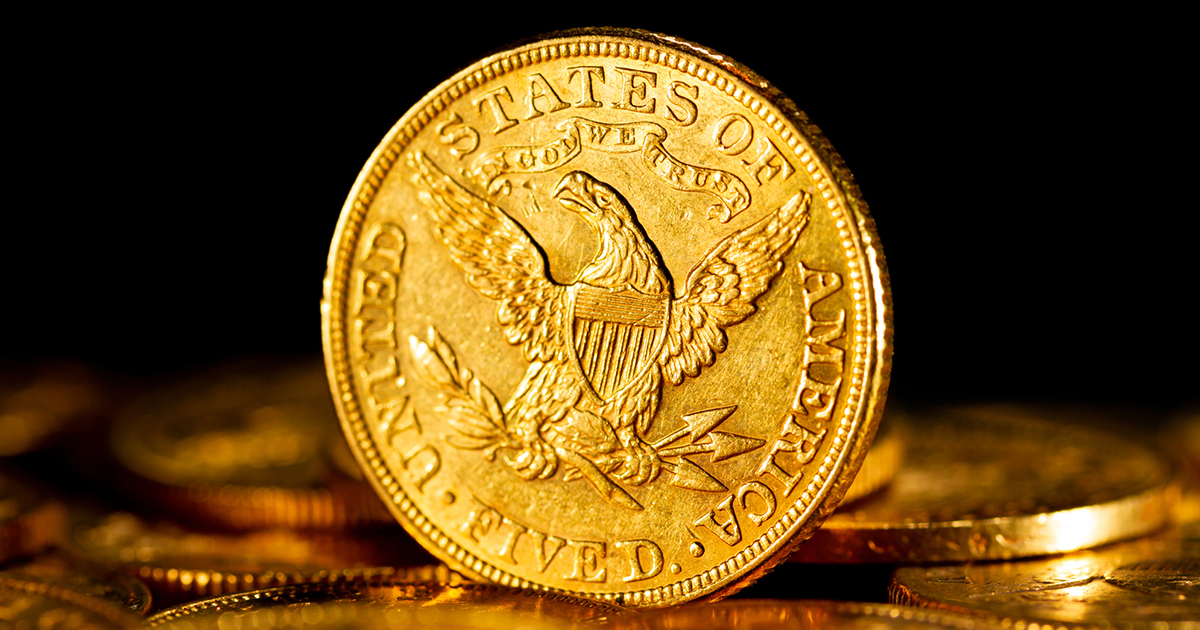
Gold's dollar price was fixed by the US government until 1971, when convertibility was suspended and the metal began trading freely. Every claim about how gold has behaved against inflation rests on the period since — a shorter and more varied record than "gold has always held its value" implies.
That record is mixed, and the gold industry's own research says so. The World Gold Council compared gold against TIPS, real estate and commodities across three historical periods and found gold the more effective hedge in two of the three — not all three.
That is more useful than a slogan. Gold has worked as an inflation hedge in some environments and not in others, and nobody, including us, can tell you in advance which one you are in.
One way to strengthen an inflation‑aware portfolio is to combine conventional tools—such as high‑yield savings accounts, inflation‑linked bonds, and diversified stock funds—with a measured allocation to physical precious metals. Gold and silver sit in the group of hard assets that are not just paper claims on future cash flows, which is why they often attract more attention during periods of higher inflation or currency stress.
Gold has a long history as a store of value and is widely viewed as a hedge when currencies are losing purchasing power. Over some long periods gold has kept pace with or outpaced inflation, and over others it has not — the record is more varied than the phrase "inflation hedge" suggests.
During times of high inflation, currency devaluation, or financial stress, demand for gold can increase as investors seek a safe‑haven asset not tied to the creditworthiness of any single government or corporation. Gold prices respond to geopolitical tension, real interest rates and currency moves, which is why the metal can rise and fall for reasons that have nothing to do with inflation. Gold has often risen when real interest rates fall, since holding a non-yielding asset costs less in that environment — though the relationship is a tendency, not a rule. That is why “gold as inflation hedge” is a recurring theme whenever prices rise and economic uncertainty grows.
How Physical Gold Works for Everyday Savers
There is a meaningful difference between physical gold and paper gold products such as exchange‑traded funds or futures contracts. Physical gold coins and bars represent direct ownership of a tangible asset you can hold, store, and transfer without relying on a fund manager or financial intermediary, which many savers find reassuring when they are focused on inflation protection rather than short‑term trading.
The Bullion Bank runs counters in Vienna and Chantilly, and metal content is checked by X-ray fluorescence analysis in front of you rather than in a back room.
For everyday savers, physical gold can be an appealing way to hedge against inflation because it removes counterparty risk and gives more direct control. Buying in person means you see the piece and the test result before you pay for it.
Popular Gold Products for Inflation Protection
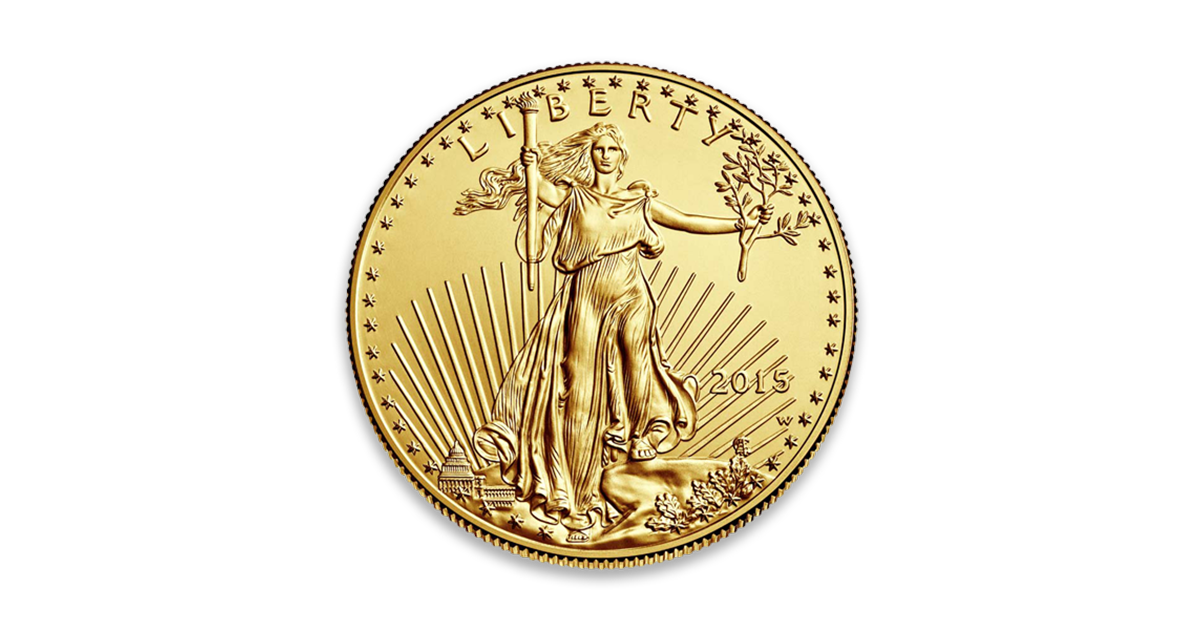
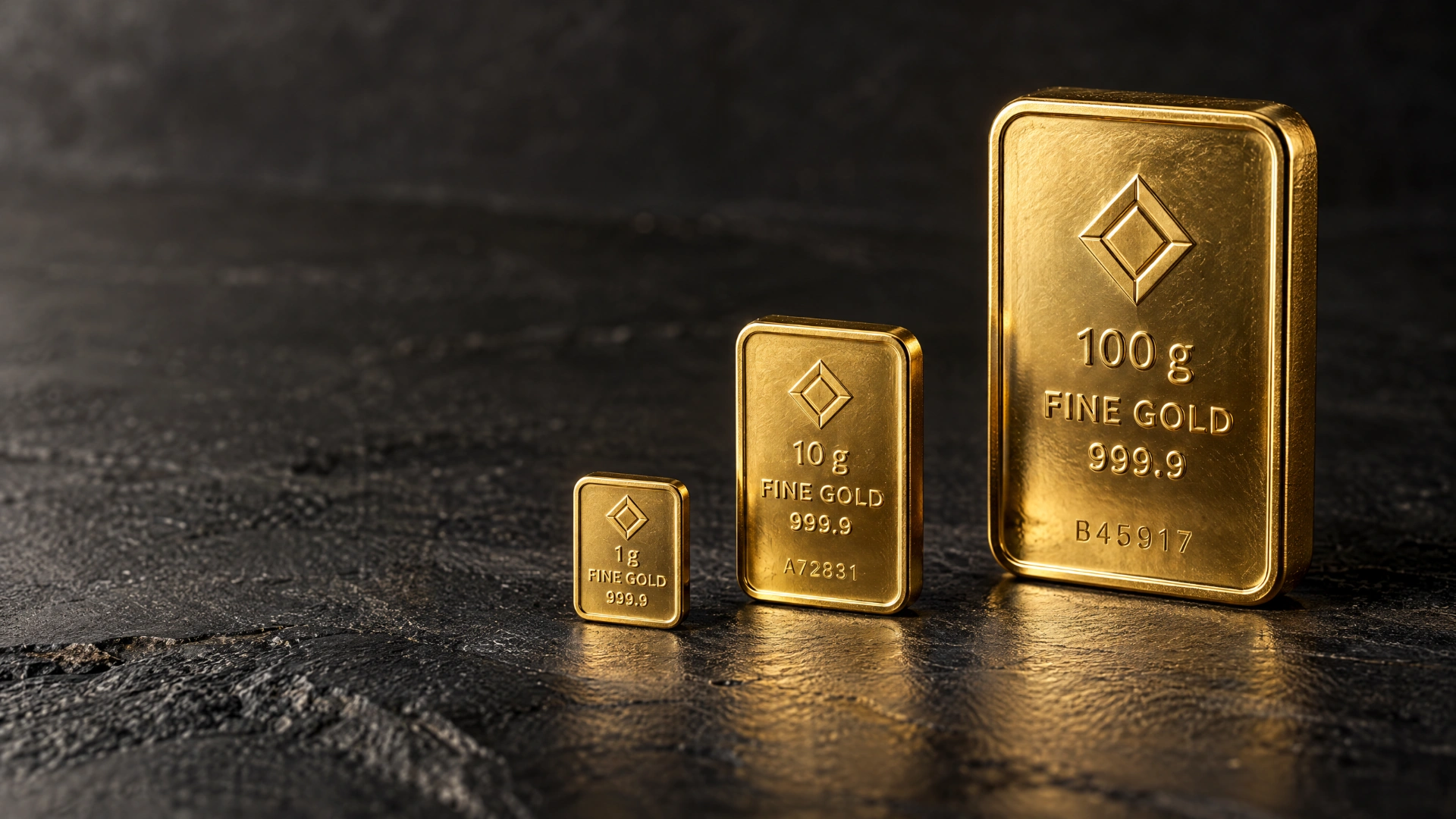
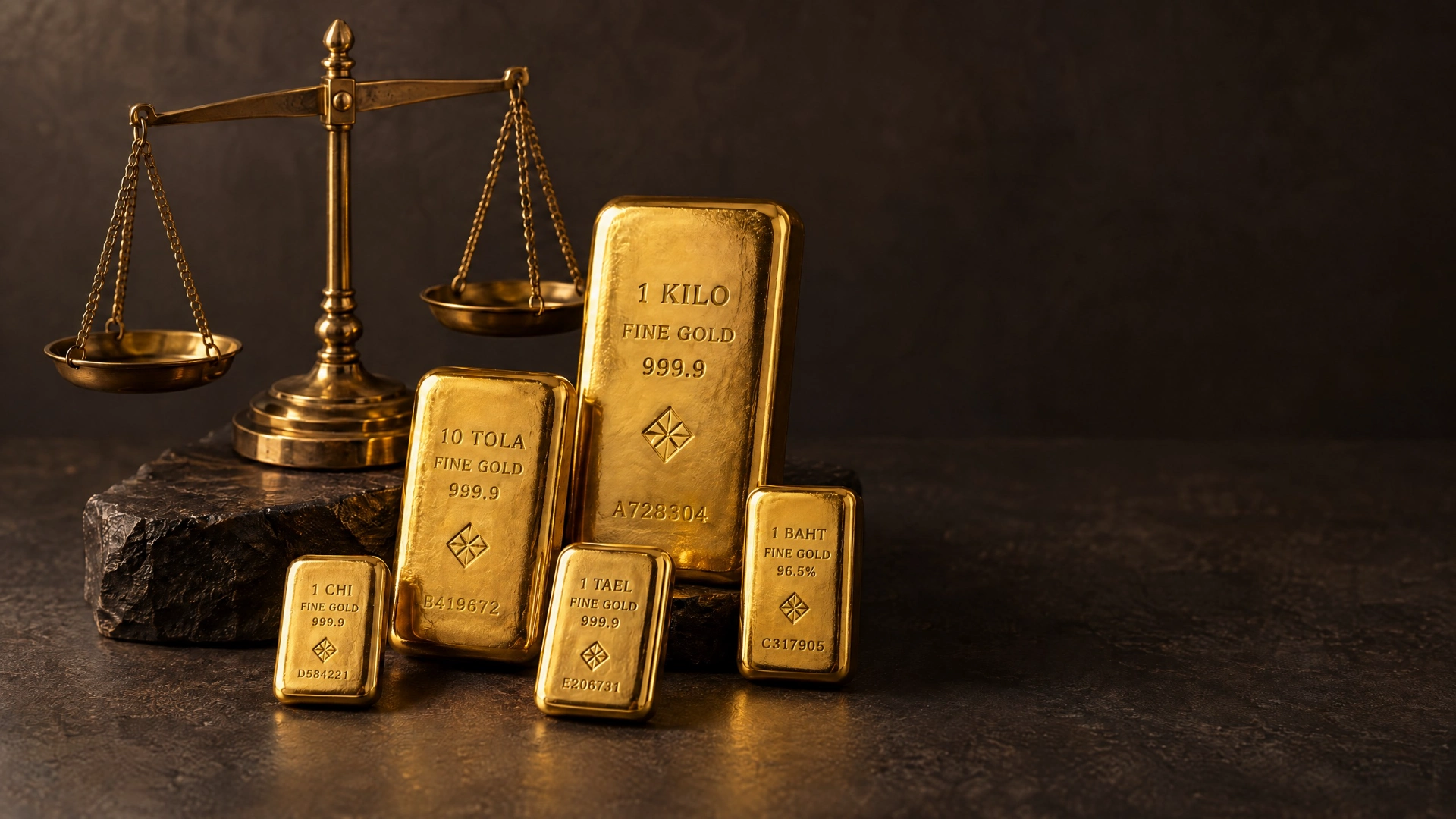
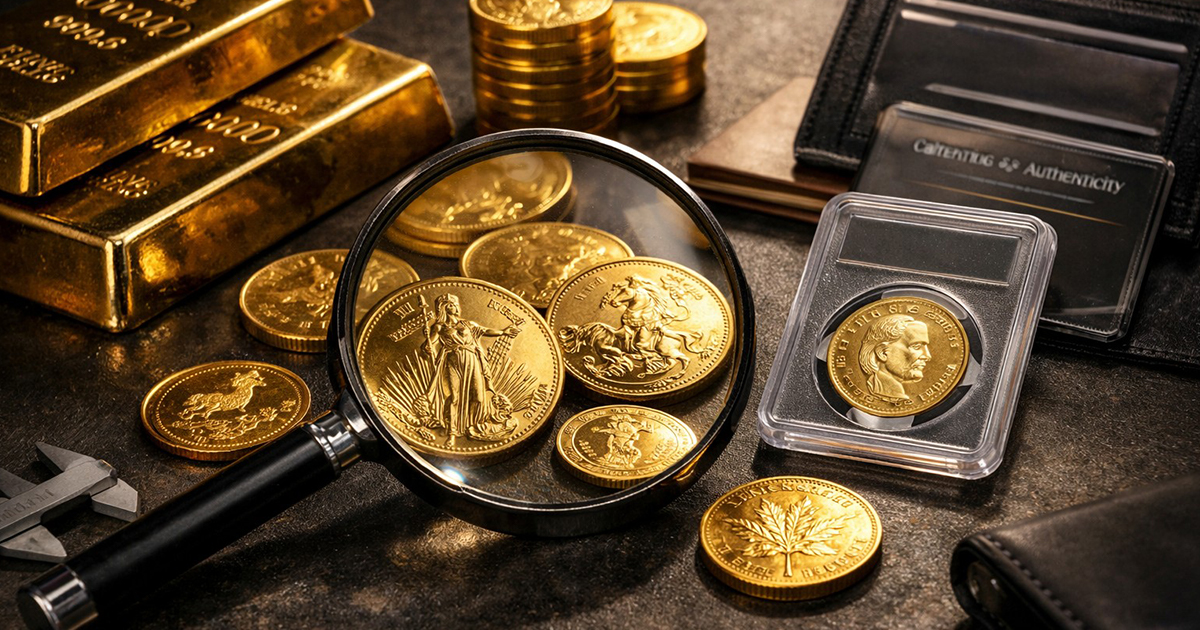
When using gold as an inflation hedge, many beginners start with widely recognized products that are easy to buy and sell. Common choices include 1 oz gold coins like American Gold Eagles, Canadian Maple Leafs, and small gold bars that fit different budgets.
Dealers such as The Bullion Bank maintain a two‑way market in gold coins and bars, updating prices in real time to reflect changes in gold prices and offering both purchase and sell‑back options. This makes it easier to gradually build a position in physical gold while knowing you can convert holdings back to cash if needed.
Both are widely traded and easy to sell later, which matters more for a long-held position than the premium difference between them. Our gold coins and gold bars pages carry live pricing.
Silver as an Inflation Hedge
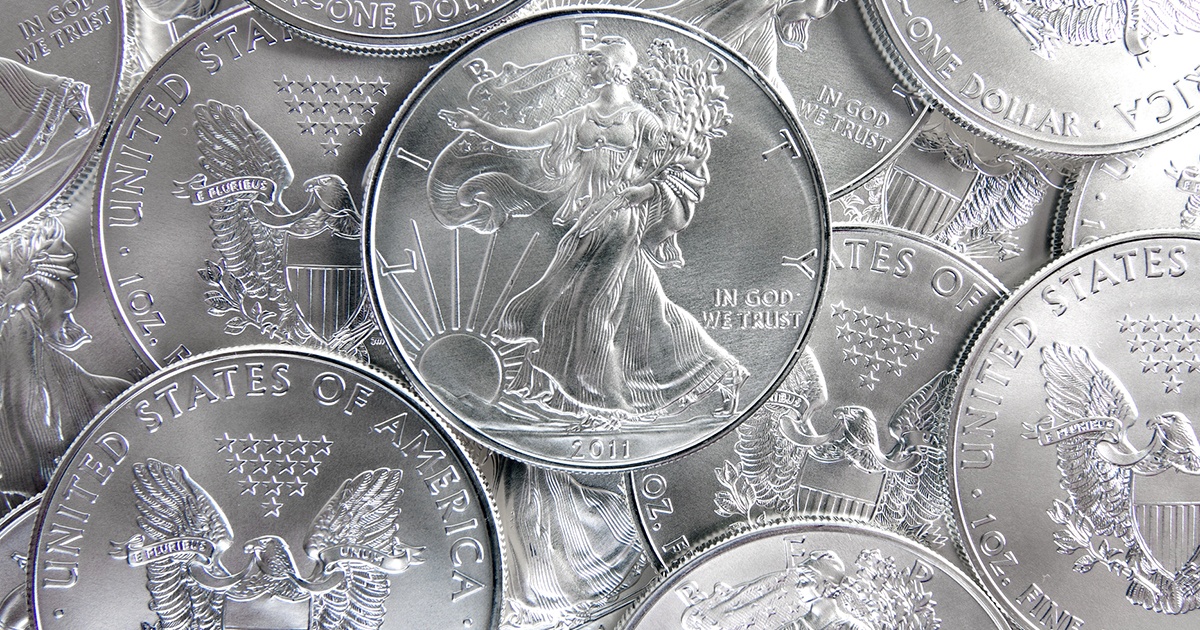
Silver is also used as an inflation hedge, though it behaves differently from gold. Like gold, silver is a precious metal with a long monetary history, but it also has extensive industrial uses in electronics, solar panels, and other technologies.
Gold and silver prices are influenced not only by inflation rates but also by economic factors such as Federal Reserve interest rate decisions, monetary policy, and geopolitical events. Because of this dual role, silver prices can be more volatile than gold, reacting to both economic growth (through industrial demand) and investor sentiment. The precious metal markets can experience significant volatility due to these influences. For savers, silver can offer a more affordable way to start hedging against inflation, with lower per‑unit prices than gold.
When Silver Can Complement Gold
Many people choose a mix of gold and silver for inflation protection. Gold often forms the core holding for its lower volatility and its reputation as a safe-haven asset, while silver can provide additional diversification and potential upside. However, other analysts may have different views on the optimal mix of gold and silver for inflation protection, with some experts favoring a heavier allocation to one metal over the other based on market conditions and forecasts.
Silver’s lower cost per ounce makes it easier to add in smaller increments, which can be helpful if you are gradually converting cash into physical metals. This blend is one way to use both gold and silver as part of a broader inflation protection strategy without overcommitting to either metal alone.
Popular Silver Coins and Bars for Savers
For silver, common entry‑level products include 1 oz silver rounds, government‑minted coins, and 10 oz bars. These formats are widely recognized, relatively liquid, and simple to understand, which matters when you plan to hold them as an inflation hedge.
The Bullion Bank runs a two-way market in silver bullion, which means the same counter that sells you a bar will quote to buy it back. This approach allows savers to start small with affordable silver pieces and later adjust their mix of gold and silver as their goals and budget evolve.
Current pricing on these formats is on our silver coins and bars pages.
Gold and Silver Behave Differently — Here's How
Choosing between gold and silver as an inflation hedge depends on your risk tolerance, time horizon, and liquidity needs. Gold tends to be less volatile, is widely accepted, and is often treated as the primary store‑of‑value asset in times of monetary stress. Compared to other asset classes tracked by a market index, such as the Bloomberg Aggregate Bond Index or the S&P 500, gold and silver offer unique inflation protection characteristics.
Silver, while more volatile, offers lower entry prices and a different set of demand drivers due to its industrial uses. Some investors prioritize gold for its stability and then use silver to add diversification and potential growth, rather than trying to decide on a single “best” metal. Diversification can also include exposure to the bond market, which provides additional options for balancing risk and return alongside precious metals.
Why We Don't Answer "How Much Should I Hold?"
There is no single right answer for how much gold and silver to hold, because the ideal allocation depends on your overall financial situation and goals. How much, if any, belongs in a portfolio depends on your income, your horizon, your tax position and everything else a licensed adviser sees and a dealer does not.
What we can explain is the mechanical side: how physical metal is priced, what the premium covers, what storage costs, and how quickly it converts back to cash. From there, you can adjust your precious metals position over time as your confidence grows and your broader financial plan evolves.
Practical Steps to Start Hedging Inflation with Precious Metals
When you decide to use precious metals as part of your inflation protection strategy, a structured approach matters. Start by clarifying your goal: are you mainly trying to preserve purchasing power, reduce exposure to currency risk, or diversify beyond stocks and bonds?
Next, determine a budget and a rough mix of gold and silver that feels reasonable for your situation, then choose product types and sizes that match your comfort level. Coins and bars each have trade‑offs in terms of premiums and flexibility. Finally, ask any dealer how they price against spot, whether they buy back what they sell, and what happens to your item between the counter and settlement.
Live pricing across both metals is on our bullion pages.
Buying Gold and Silver Safely with The Bullion Bank
For savers who prefer a personal relationship with their dealer, working with a local expert can make the process less intimidating. The Bullion Bank operates physical locations in Vienna and Chantilly, Virginia, giving customers the option to discuss their plans in person, ask questions, and pick up purchases directly if they prefer.
The same counter buys and sells, so you can convert holdings back to cash without shipping them anywhere. If you want to talk it through before buying anything, either counter will answer questions without a purchase.
If you would rather ask questions before buying anything, contact us or call either counter. Our guide to buying gold and silver safely covers what to check before you hand over money.
Key Risks and Misconceptions About Precious Metals and Inflation
Gold and silver are not risk‑free and do not automatically rise every time inflation ticks higher. Prices can be volatile in the short term and influenced by interest rates, currency moves, and investor sentiment, which means metal prices can pull back even in inflationary periods.
There are also practical factors such as purchase premiums, bid‑ask spreads, and storage to consider. Buying from a reputable dealer, focusing on widely recognized bullion products, and taking a long‑term view can help manage these risks and reduce the influence of short‑term noise.
When Gold and Silver Might Not Be the Right Tool
In some situations, addressing other financial priorities may be more urgent than buying precious metals. If you carry high‑cost debt, lack any emergency fund, or expect to need most of your cash in the very short term, directing funds into gold and silver might not be appropriate until those issues are addressed. While lower interest rates can make precious metals more attractive compared to other assets, it's important to weigh this against your immediate financial needs and goals.
Precious metals are best viewed as part of a broader financial plan, not a standalone solution. When used thoughtfully, they can complement existing savings and investment strategies to help protect purchasing power over time, especially in periods of higher inflation.
FAQ: Gold, Silver, and Inflation
Q: Is gold really a good hedge against inflation?
A: Sometimes. Gold's dollar price was only freed in 1971, so the record is shorter than the phrase suggests, and over some long periods gold has kept pace with inflation while over others it has not. The World Gold Council's own comparison against TIPS, real estate and commodities found gold the more effective hedge in two of three historical periods, not all three. Its price can also move sharply for reasons unrelated to inflation.
Q:
Is silver a good inflation hedge or is it too volatile?
A: Silver is sometimes discussed in the same terms, but a large share of silver demand is industrial, which makes it behave differently from gold and more volatile. For many savers silver works as a complement to gold rather than a replacement. Gold is widely described as a safe-haven asset in many markets, where global demand can influence its price.
Q: How much gold and silver should I buy to protect my savings from inflation?
A: That is a question for a licensed financial adviser who can see your whole position, not for a dealer who sells the metal. What we can set out is how physical metal is priced, stored and resold.
Q: What’s the difference between physical gold and gold ETFs for inflation protection?
A: Physical gold gives you direct ownership of coins or bars you can hold or store, while ETFs provide exposure through shares in a fund that holds gold on your behalf. Physical gold reduces counterparty risk but requires storage; ETFs are easier to trade but remain financial instruments.
Q: Is it better to buy gold coins or bars as an inflation hedge?
A: Both can work, but coins typically offer strong recognition and liquidity, while bars can sometimes offer lower premiums per ounce in larger sizes. The choice usually comes down to budget, storage preferences, and how you plan to sell in the future.
Q: Can I lose money buying gold and silver for inflation protection?
A: Yes. Precious metals prices can fall, sometimes sharply, especially over short periods. That is why many investors treat gold and silver as long‑term holdings and avoid investing money they know they will need in the near term.
Q: How do I safely store gold and silver bought as an inflation hedge?
A: Common options include a home safe, bank safe‑deposit box, or professional vault storage. Whatever you choose, consider security, insurance, and how easily you can access the metals when needed.
Ready to explore how gold and silver could fit into your own inflation protection plan? Visit The Bullion Bank’s bullion section to compare live pricing on gold and silver coins and bars, or stop by our Vienna and Chantilly locations to talk with a precious metals expert in person. Whether you prefer to buy online or face‑to‑face, our team can help you choose bullion products that align with your savings goals, risk tolerance, and time horizon.