Published by
Gold Expert
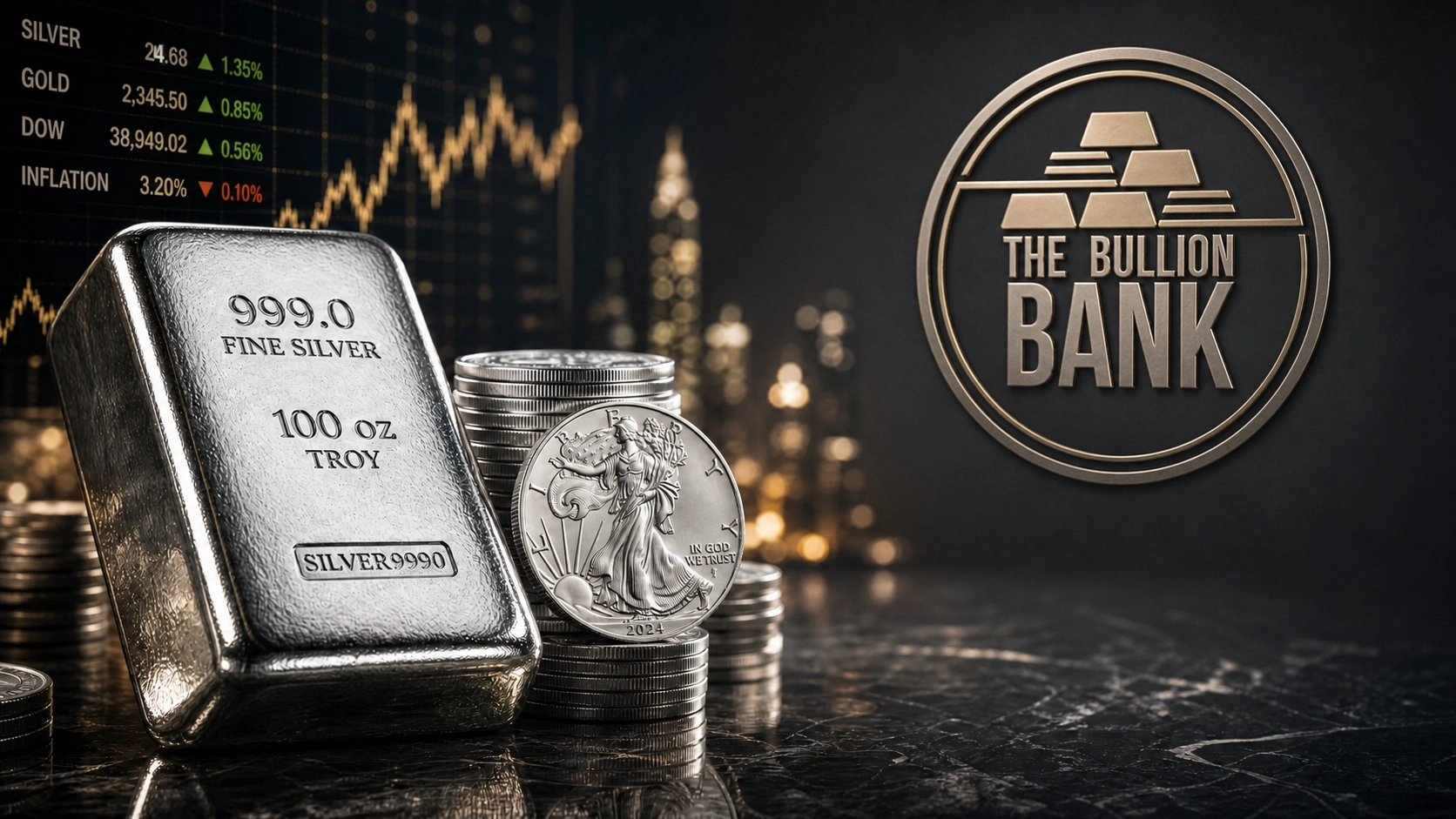
Silver stacking means accumulating physical silver bullion—coins, rounds, or bars—as a long-term store of value and portfolio diversifier. For most investors, silver can be a smart long-term part of a diversified plan when it is used as a defined allocation rather than your only investment strategy.
This article explains why that is: the benefits, the tradeoffs, and practical steps to build a secure position. The Bullion Bank brings local, licensed-dealer experience and transparent pricing to help DMV buyers and online customers decide how much silver to buy and how to store it.
Why consider silver stacking?
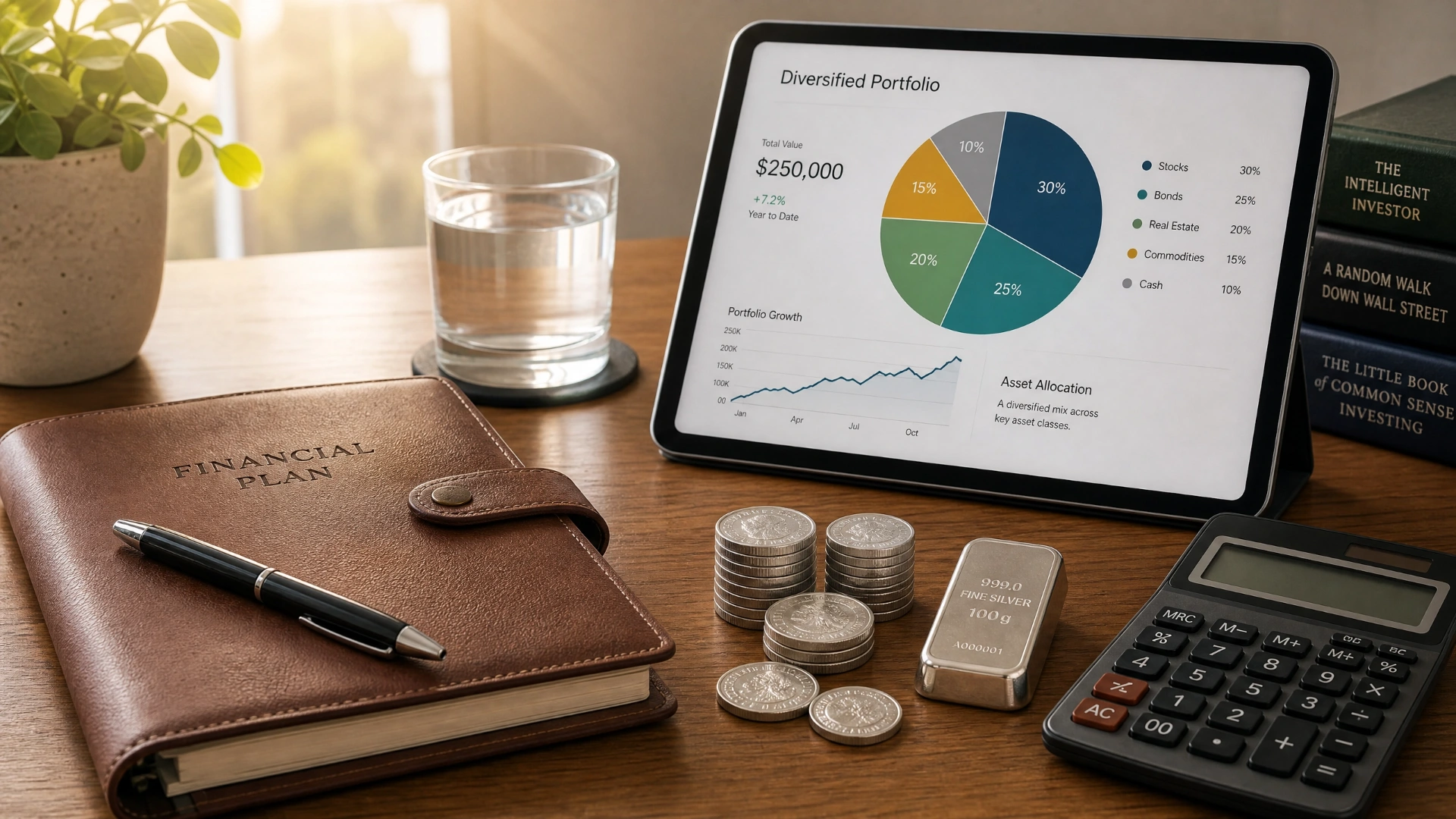
Silver stacking is the practice of buying and holding physical silver bullion—investment-grade coins, rounds, or bars—over time. Many people stack silver to hedge against inflation, preserve purchasing power, and keep a portion of savings in a tangible asset they can control directly.
Silver is both an investment and an industrial metal, used in electronics, solar, and other sectors, which gives it a different risk profile than gold. By combining silver with other assets like cash, equities, and possibly gold, you can diversify your portfolio and improve resilience to different economic environments.
Spot price is the current market price per troy ounce of silver traded on global exchanges. Premium is the amount you pay above spot to buy a specific product; it covers minting, distribution, and dealer costs. Understanding these two numbers is critical to judging whether silver stacking is smart for you.
Risks and realities of long-term silver stacking
Silver's price is more volatile than gold in percentage terms because industrial demand and investor sentiment both drive its market. That means a long-term silver stacking strategy must accept larger short-term swings while focusing on multi-year or decade-long horizons.
Physical ownership adds storage and security responsibilities. You'll need to consider home safes, bank safe-deposit boxes, or professional vaulting, plus any insurance costs, when assessing the net benefit of your stack.
Liquidity also depends on what you buy. Small, widely recognized coins sell more easily but often carry higher premiums, while large bars reduce per-ounce cost but can be harder to sell in small increments. Finally, taxes on capital gains may apply when you sell silver, depending on your jurisdiction—another factor to weigh in a long-term strategy.
How much silver should you buy? (Sizing strategies)
There's no single "right" amount of silver; instead, think in terms of percentage allocation of your liquid net worth. A conservative approach might be 2–5% of liquid assets in silver, suitable for investors who want a modest tangible hedge without significant volatility.
Balanced investors often target 5–15% in precious metals, split between silver and gold, to create meaningful diversification while keeping core holdings in other asset classes. Aggressive stackers may go above 15%, but that level requires comfort with price swings and long holding periods.
Rules of thumb that can help:
- Use dollar-cost averaging (DCA): buying a fixed dollar amount of silver regularly to smooth price fluctuations.
- Build an "emergency stash" of 10–50 oz in highly liquid coins or rounds you can sell quickly if needed.
- Review and rebalance annually so silver doesn't drift too far above or below your target allocation.
Choosing what to buy: coins, rounds, or bars
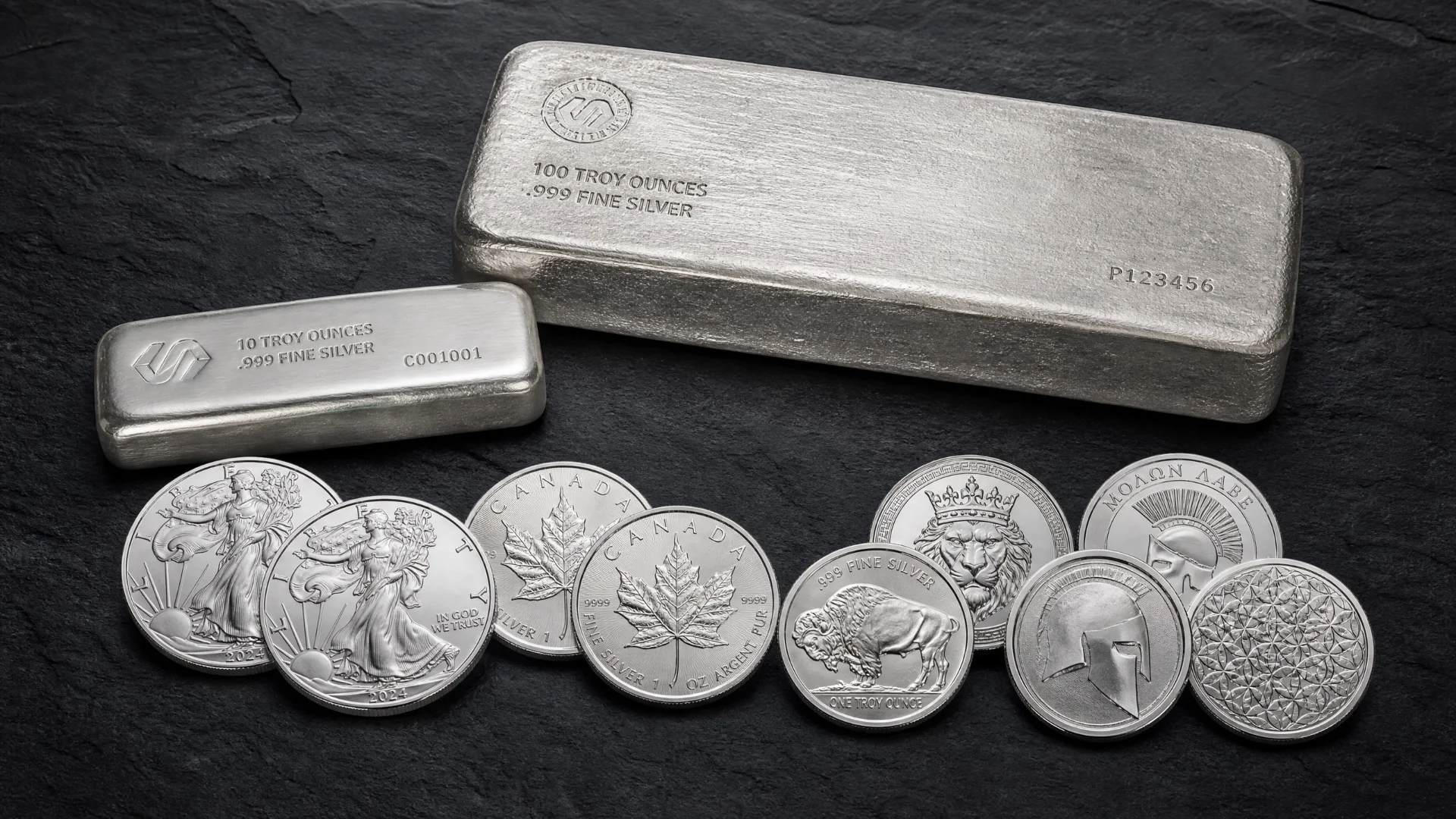
Government-minted coins, such as American Silver Eagles or Canadian Silver Maple Leafs, are widely recognized, easy to resell, and backed by official mints like the U.S. Mint. They tend to carry higher premiums but offer strong liquidity, especially for small, incremental sales. Browse our U.S. Silver Coins selection to compare current options.
Privately minted rounds are usually 1 oz pieces produced by non-government mints; they often offer lower premiums per ounce than coins, making them popular among cost-conscious stackers. Silver bars, especially in larger sizes like 10 oz or 100 oz, usually provide the lowest per-ounce premium but are less flexible to sell in small amounts.
A practical mix for many investors is:
- Coins for maximum liquidity and recognizability.
- Rounds for cost-efficient accumulation in smaller denominations.
- Bars for long-term core holdings where minimizing premium matters.
Understanding price: spot, premium, and total cost
Spot price is the live market price per troy ounce of silver. Premium is the additional amount you pay above spot for a specific product. Your total cost per ounce is spot + premium + any applicable sales tax and shipping.
For example, if spot is $25 per oz and a 1 oz coin carries a $7 premium, your pre-tax cost is $32 per oz. If you buy 50 of those coins, you'd spend 50 × $32 = $1,600 before tax and shipping. Premiums vary with product type, order size, and market conditions; tracking official price benchmarks and exchange data from reputable government and industry sources such as the U.S. Mint helps you understand whether quotes are reasonable.
Where to buy and sell physical silver

You can buy silver from local coin and bullion dealers, online dealers, mail-in services, and auctions. Each channel has tradeoffs in transparency, security, and liquidity.
Local licensed dealers allow you to inspect pieces, discuss pricing based on real-time spot, and often offer immediate buyback, which many stackers value for liquidity and trust—you can sell silver back through the same channel you bought from. Online dealers provide broad selection and convenient delivery; look for insured shipping, clear premium disclosures, and published buyback policies.
As a licensed precious metals dealer since 2008 with physical locations in Northern Virginia, The Bullion Bank combines both options: in-store service in the DMV region and a national online store with fully insured shipping. Buying from a dealer that publishes spot-based pricing and buyback terms helps you judge spreads and long-term liquidity more accurately.
Storage and security options
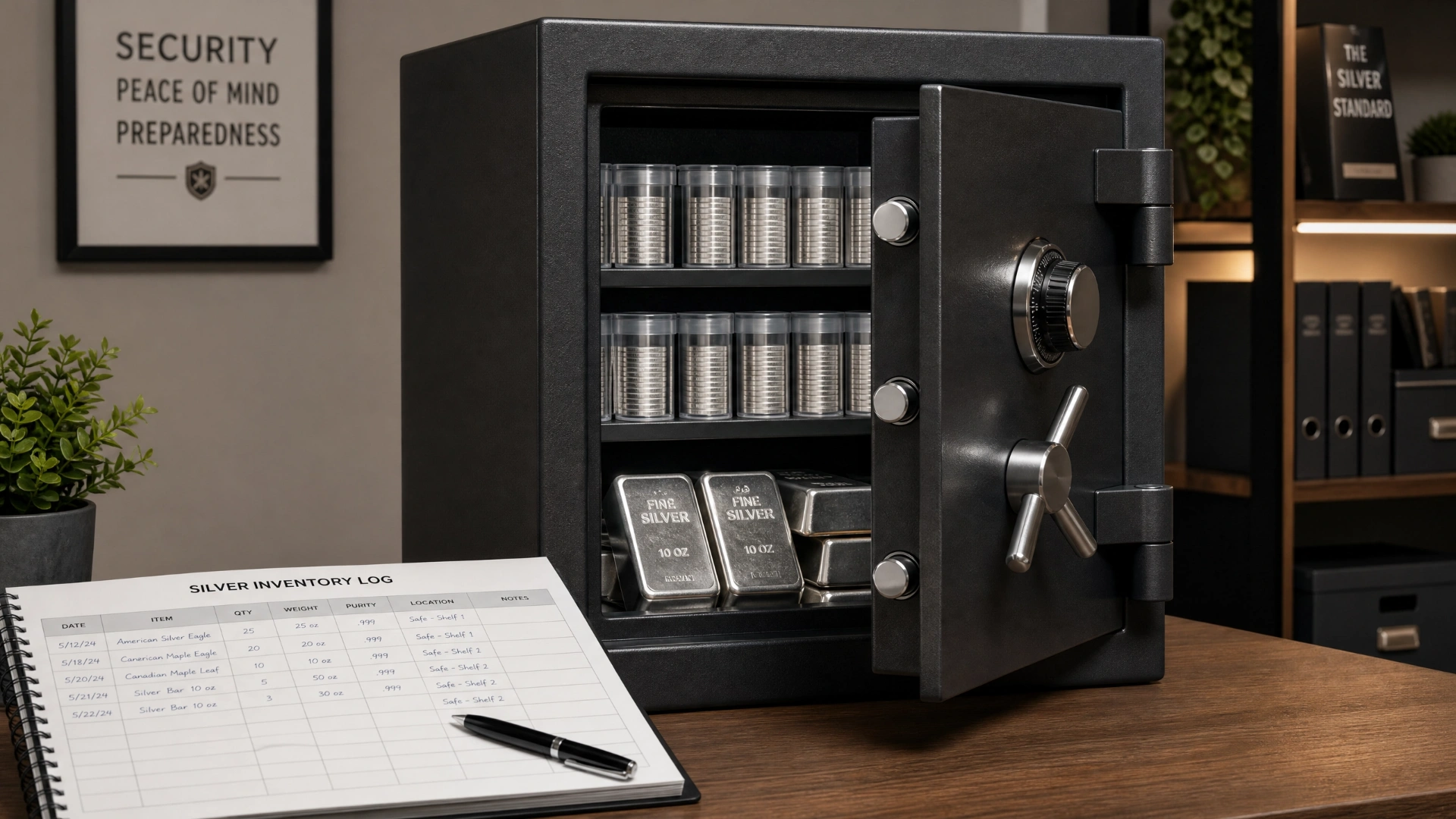
Home storage in a quality safe offers privacy and immediate access, but you must manage theft risk and ensure your safe is discreet and properly installed. Bank safe-deposit boxes provide strong physical security at relatively low cost, though they limit access to bank hours and may require separate insurance coverage.
Professional vaulting services offer insured, segregated storage, making them suitable for larger stacks or investors who buy primarily online. Whatever option you choose, keep a detailed inventory: dates of purchase, product type, weight, purity, and receipts. Accurate records simplify valuation, resale, and insurance claims.
Selling strategies and liquidity
A smart long-term silver stacking strategy includes a plan for selling. Many stackers use staged selling—liquidating portions of their holdings during price rallies—to lock in gains while keeping exposure. Highly recognizable 1 oz coins are typically easiest to sell quickly, whether in person or through buyback programs.
When selling locally, licensed dealers can pay cash or issue checks based on current spot minus a spread, often with faster execution than shipping. Online buyback programs can be competitive, but you must factor in insured shipping, processing time, and payment timelines. Always ask for both the dealer's sell price and buyback price to understand the spread you're accepting.
For coins of higher numismatic value, understanding grading standards from a professional body like PCGS can help you avoid underpricing better-date or higher-grade material.
Third-party certification from services such as NGC also plays a significant role in establishing condition and rarity beyond a coin's raw silver content.
Common mistakes and how to avoid them

One common mistake is chasing short-term dips in spot price instead of following a consistent strategy. Dollar-cost averaging usually reduces the emotional pressure to time the market perfectly. Another is ignoring premiums: a "cheap" spot level can still be expensive if premiums are unusually high.
Poor storage—using flimsy containers or disclosing your stack widely—can create security risks that outweigh the benefits of silver ownership. Working with unverified buyers or mail-in services without checking licensing, reviews, or references also raises fraud risk. Buying and selling through established, licensed dealers like The Bullion Bank helps you avoid counterfeit products and unfair spreads.
Real-world examples and allocation scenarios
Starter plan — $5,000 one-time purchase: Assume an average all-in cost of $32 per oz (spot plus premium). Dividing $5,000 by $32 yields about 156 oz of silver. A balanced mix might be 40% in 1 oz government coins, 40% in 1 oz rounds, and 20% in 10 oz bars to combine liquidity and lower premiums.
10-year dollar-cost averaging plan — $100 per month: Investing $100 monthly equals $1,200 per year, or $12,000 over 10 years. At an assumed average cost of $30 per oz over that period, you'd accumulate roughly 400 oz. This approach smooths volatility and builds a stack steadily without requiring large lump sums.
How to start today (next steps)
- Clarify your goals: inflation hedge, diversification, or emergency liquidity.
- Decide on a target allocation (e.g., 5–10% of liquid net worth) and a buying approach (lump sum vs. monthly DCA).
- Choose a product mix: coins for liquidity, rounds for value, bars for long-term core holdings.
- Select your storage method and set up insurance and record-keeping.
- Work with a licensed dealer like The Bullion Bank—either in-store in Northern Virginia or via the online shop with insured shipping—to execute purchases with transparent pricing and clear buyback options.
Why a licensed local dealer matters
If you're deciding where to buy, consider the difference between anonymous listings and working with a licensed dealer who publishes spot-based pricing and buyback terms. The Bullion Bank is licensed by Virginia and Fairfax County, operates physical locations in Chantilly and Vienna, and uses real-time valuation based on spot price and disclosed premiums.
This combination of in-person service in the DMV region and a national online store with fully insured shipping reduces execution risk compared with non-specialist buyers or unverified mail-in offers. It also makes long-term silver stacking smarter by improving liquidity and giving you a clear, trusted exit route when it's time to sell.
FAQ
Q: What is silver stacking?
A: Silver stacking is the systematic practice of buying and holding physical silver bullion—coins, rounds, and bars—over time as a store of value and portfolio hedge.
Q: Is silver a good long-term investment?
A: Silver can be a smart long-term component of a diversified portfolio because it offers inflation protection and tangible value, but its higher volatility means it should complement, not replace, other assets.
Q: How much silver should I buy as a beginner?
A: Many beginners start with 2–5% of their liquid net worth in silver and build gradually using dollar-cost averaging, adjusting as they gain comfort and experience.
Q: What's the difference between spot price and premium?
A: Spot price is the live market price per troy ounce, while premium is the additional cost you pay above spot for a specific product, covering minting, distribution, and dealer overhead.
Q: Should I buy silver coins or bars?
A: Coins are usually best for liquidity and smaller resale transactions, while bars offer lower premiums per ounce for larger, long-term positions; many stackers use a mix of both. Compare our current Silver Coins lineup to see pricing side by side.
Q: How do I store silver safely?
A: Common options include home safes, bank safe-deposit boxes, and insured professional vaulting; whichever you choose, document your holdings and consider insurance.
Q: Can I sell silver easily?
A: Recognized bullion coins and bars are generally liquid, especially when sold to licensed dealers or reputable online buyback programs that quote prices based on current spot.
Q: Are there taxes on selling silver?
A: Silver sales can trigger capital gains or collectable-tax treatment depending on local law; consult a tax professional for specific guidance to your situation.
Q: How do I avoid silver scams?
A: Buy and sell through licensed dealers, verify credentials, check reviews, insist on transparent spot-plus-premium quotes, and avoid unknown mail-in offers.
Q: Do you have a store where I can inspect silver in person?
A: Yes. The Bullion Bank has two Northern Virginia locations where you can inspect inventory and buy in person: Chantilly (4086 Airline Pkwy, Chantilly, VA 20151) and Vienna (131 Maple Ave W, Vienna, VA 22180). Call 703.705.5151 or 703.705.5252 to confirm hours and product availability.
Q: Do you offer insured shipping and buyback in the DMV?
A: The Bullion Bank offers fully insured shipping nationwide and in-store buyback options at our Chantilly and Vienna shops, giving DMV customers both local and online liquidity paths.
Q: Is The Bullion Bank a licensed dealer?
A: Yes. The Bullion Bank is licensed by the state of Virginia and Fairfax County as a precious metals and gems dealer and has been operating since 2008.
Start Stacking with The Bullion Bank
If you're ready to make silver stacking part of your long-term strategy, visit The Bullion Bank in Chantilly (4086 Airline Pkwy, Chantilly, VA 20151) or Vienna (131 Maple Ave W, Vienna, VA 22180) to inspect silver in person, compare coins, rounds, and bars, and get transparent spot-based pricing. Prefer to buy remotely? Shop our online store at thebullionbank.com for fully insured shipping nationwide or call 703-705-5151 to discuss your allocation plan with our licensed team.