
Published by
Gold Expert
TL;DR
- Start with simple 1 oz bullion coins and low‑premium rounds in an entry‑level budget range.
- Mix trust (sovereign coins) with value (generic rounds) instead of chasing flashy collectibles.
- Let silver’s price moves change your pacing, not your entire strategy.
- Focus on future resale, secure storage, and learning how premiums work.
- Treat your first small silver stack as education you can build on, not a one‑time “perfect” buy.
If you are wondering which silver coins are best for someone buying silver for the first time, starting with a realistic entry‑level budget range is the smartest move you can make. Your first few purchases should focus on low cost silver coin options that balance trust, premiums, resale potential, and flexibility—not on finding the perfect collectible.
This guide walks through popular silver coins that offer good value for new investors, then shows how to build a beginner silver collection within a modest starting budget using simple “starter mixes.” It also covers how silver price changes affect your strategy, how to think about future resale, and how to store silver coins safely for the long haul.
Silver coin basics for beginners
Quick answer: For a first small stack, focus on 1 oz bullion coins and low‑premium rounds, not collectibles or obscure pieces.
Bullion vs collectible vs junk/constitutional
When you are new, it helps to keep the categories simple:
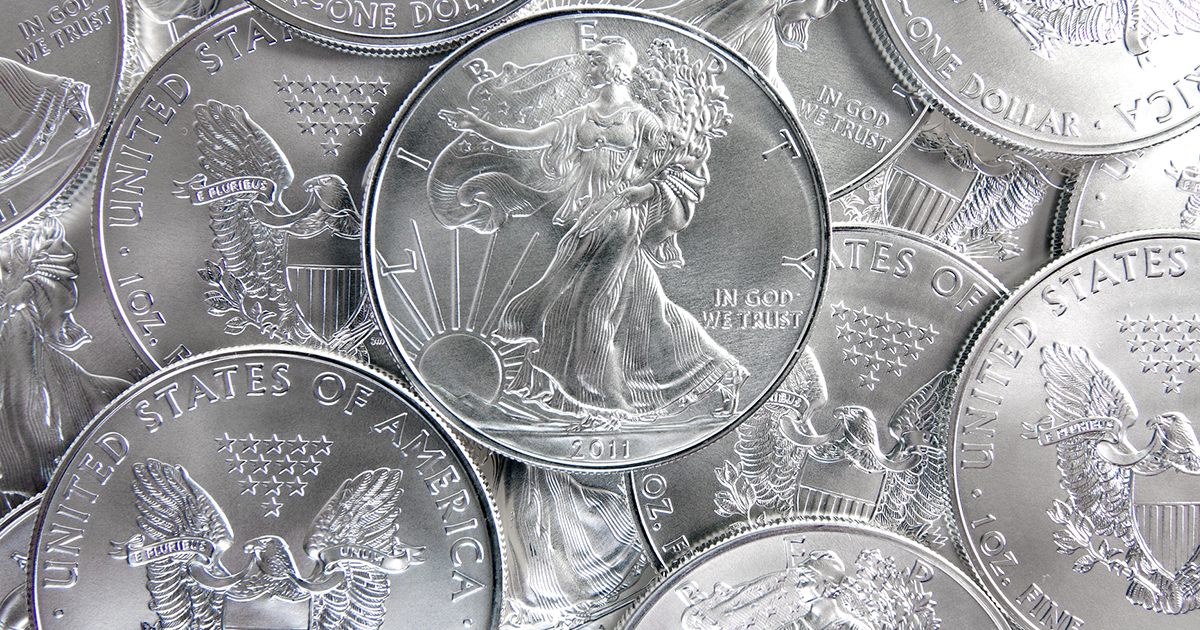
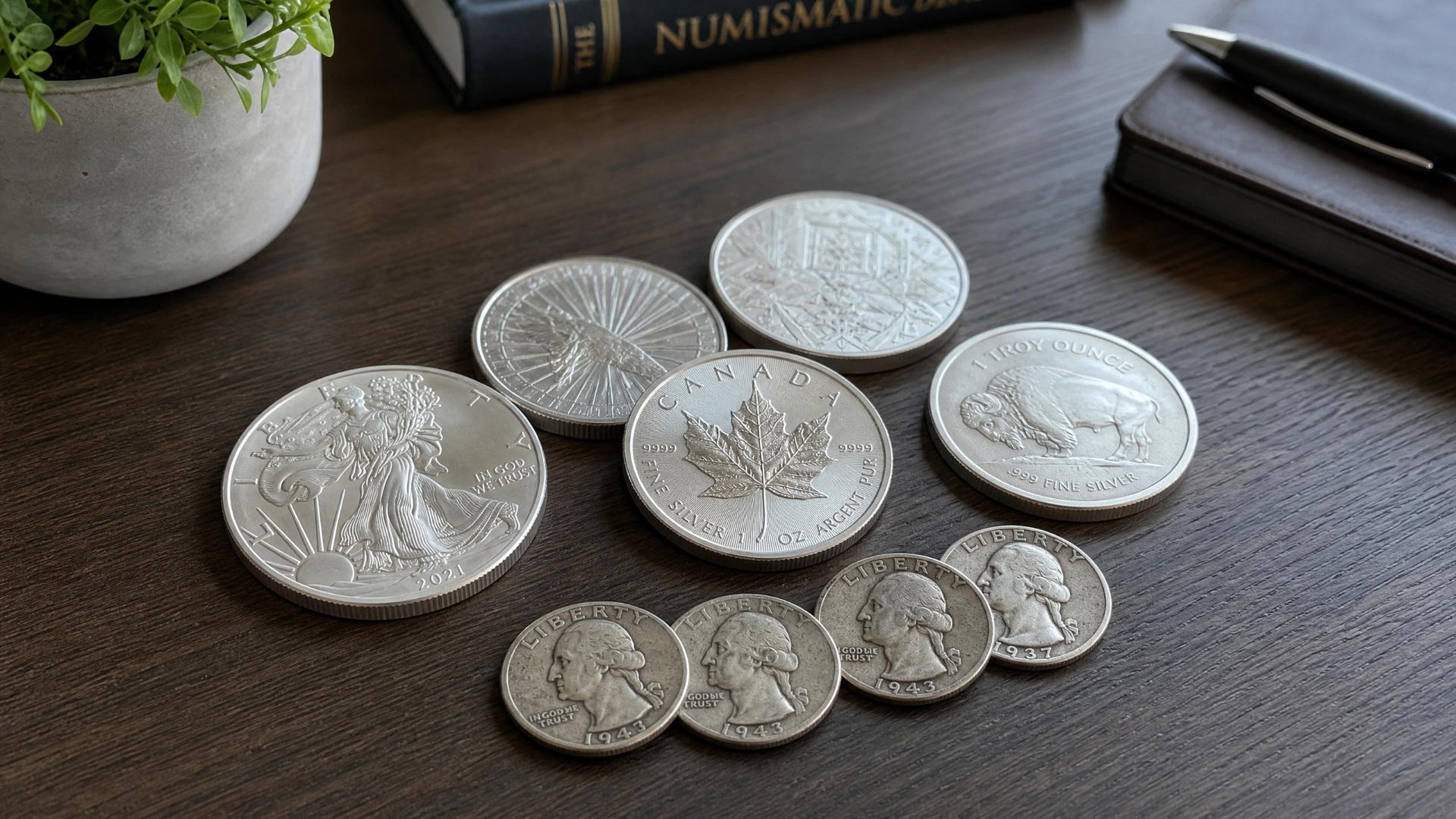
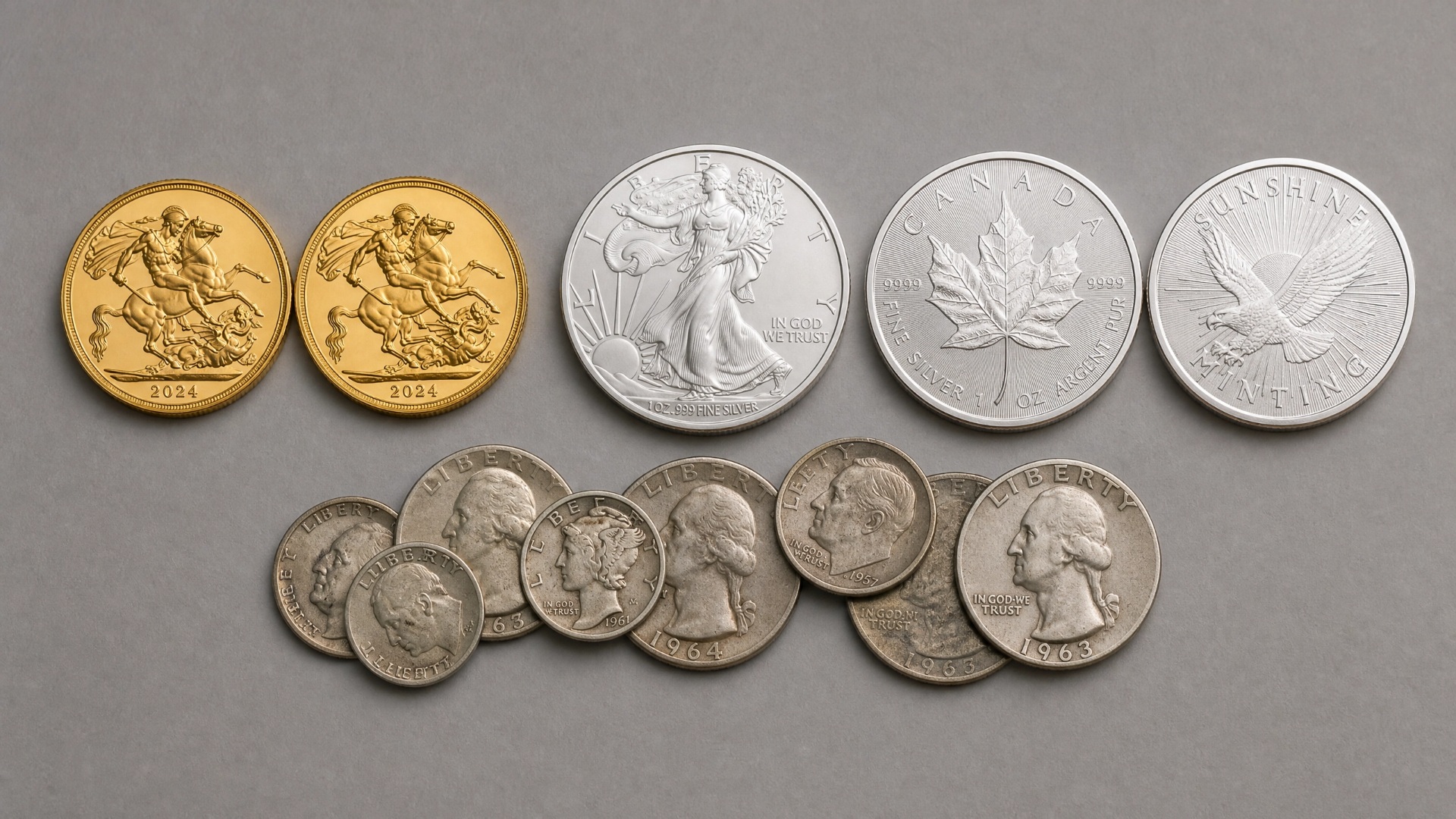
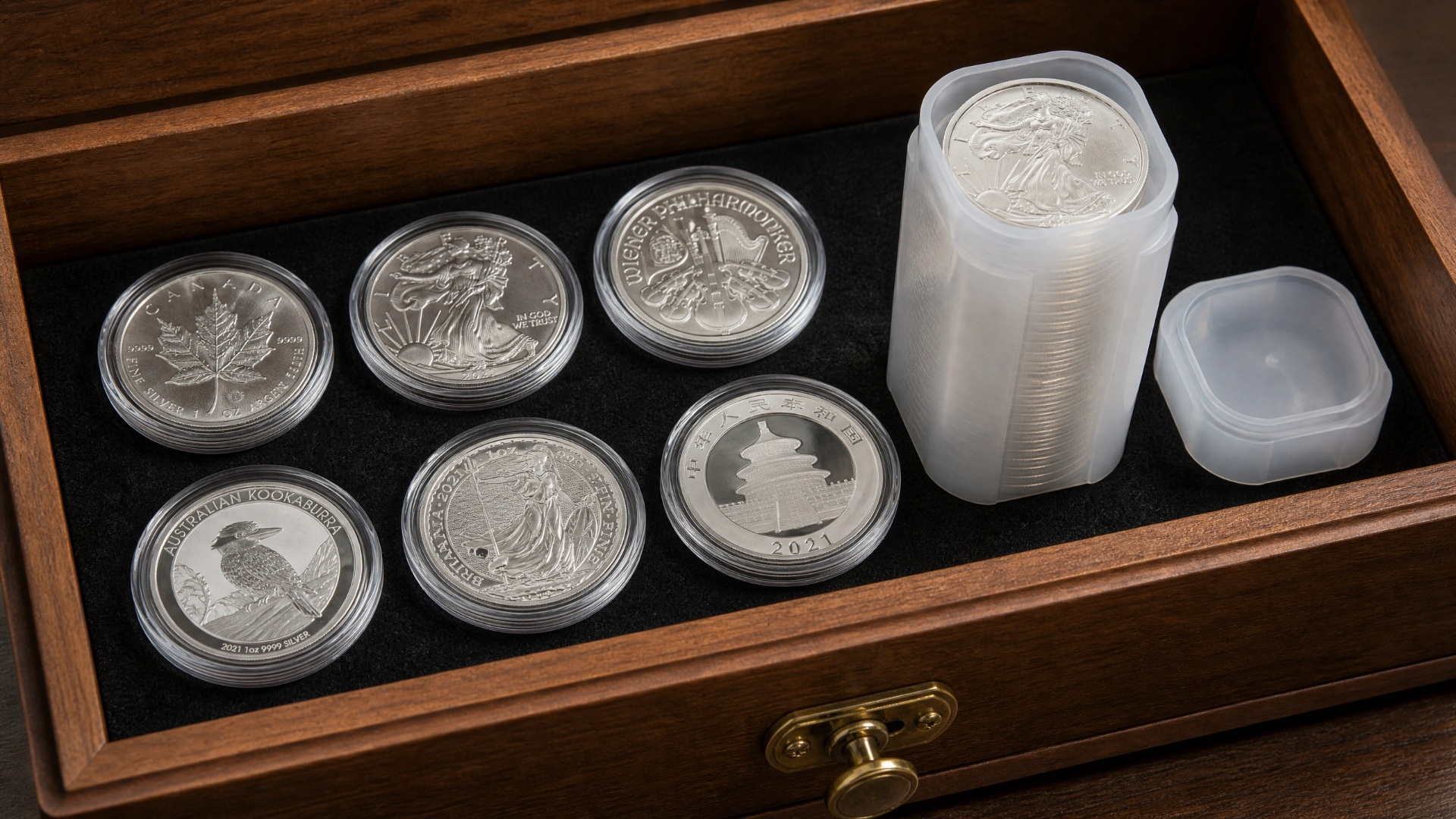
- Bullion coins: Modern investment‑grade coins issued by governments (e.g., American Silver Eagles, Canadian Maple Leafs, British Britannias, Austrian Philharmonics), with guaranteed weight and purity.
- Collectible / numismatic coins: Older or special‑edition coins whose prices depend heavily on rarity, condition, and collector demand—better left for later.
- Junk / constitutional silver: Older circulating coins with fixed silver content (like pre‑1965 US coins), useful for fractional exposure and often trading near melt value.
For a first‑time buyer with an entry‑level budget, straightforward bullion coins and low‑premium options are usually a better foundation than complex numismatic “stories.”
Why coins (not bars) when you’re just starting
Bars can be great once you know what you are doing, but coins bring several advantages at the very beginning:
- 1 oz silver coins are easy to understand and simple to count.
- They are widely recognized and often easier to resell in small amounts.
- They give you a clearer sense of “per‑coin” value and premiums.
Once your stack grows, you can add bars to improve cost efficiency, but your first entry‑level purchases are often more educational and flexible when they are coins.
For a wider perspective on how silver coins fit into an overall bullion strategy, pair this article with a general bullion guide.
Popular low‑cost silver bullion coins for new investors
Quick answer: Combine one or two well‑known government bullion coins with several low‑premium rounds or secondary‑market coins.
Government‑minted 1 oz bullion coins
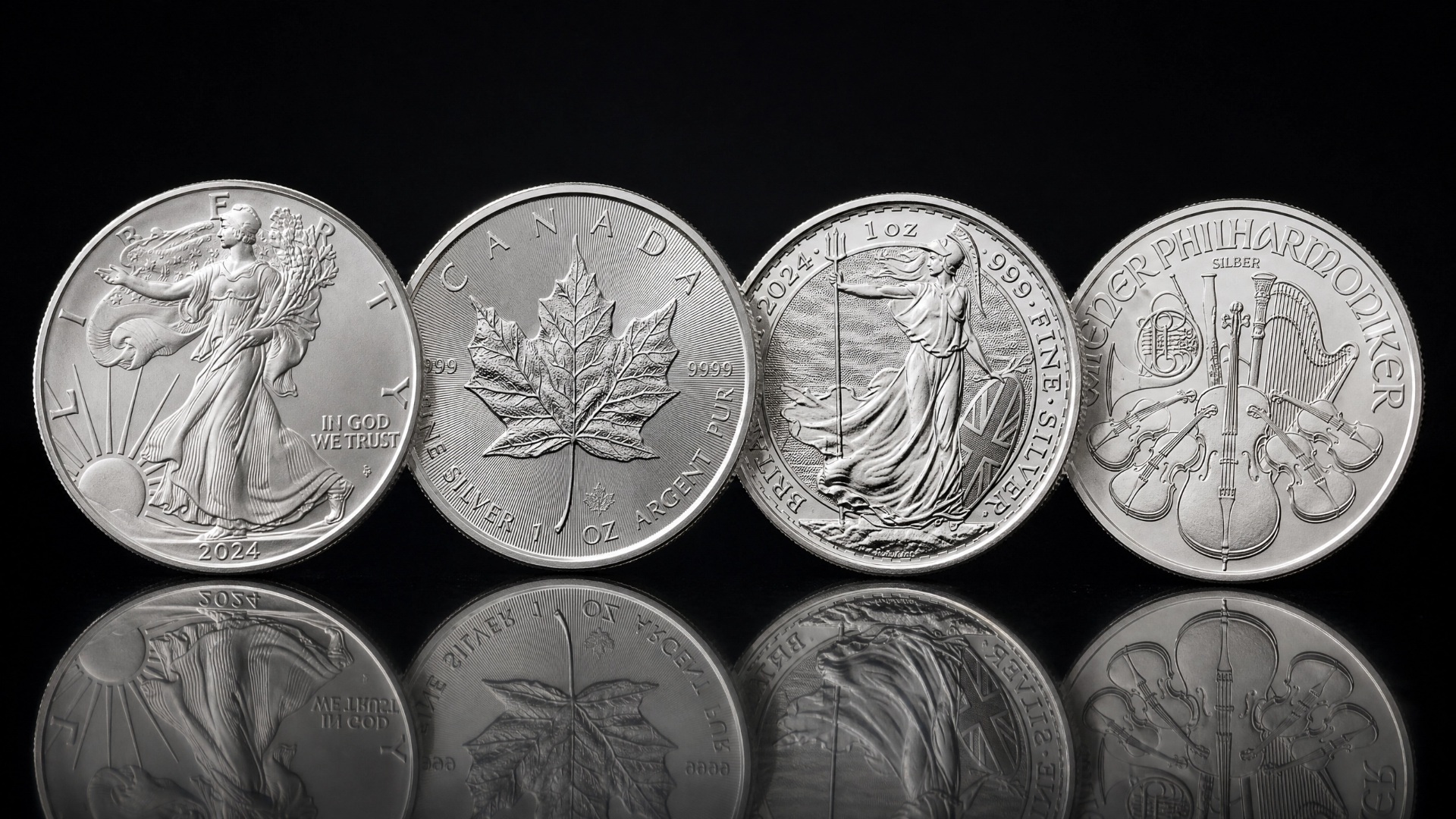
Sovereign 1 oz silver bullion coins are often the default starting point—and for good reason. Common examples include:
- American Silver Eagles
- Canadian Silver Maple Leafs
- British Silver Britannias
- Austrian Silver Philharmonics
These coins are backed by national mints, have clearly stated purity, and enjoy strong recognition worldwide, which makes them some of the best silver coins for resale later. The trade‑off is that they typically carry higher premiums over spot than generic rounds or less‑famous bullion coins.
Typical premiums I’ve seen: For mainstream sovereign coins, premiums are often at the higher end of the retail spectrum for silver bullion—worth paying for a few pieces, but expensive if you spend your entire entry‑level budget only on these.
Generic 1 oz silver rounds and low‑premium coins
Generic 1 oz silver rounds are privately minted, coin‑shaped pieces of .999 silver that often track the spot price closely. Many small‑budget silver stacking strategies rely on these rounds because they usually offer more silver per unit of currency than top‑brand sovereign coins.
Secondary‑market bullion coins (prior‑year or pre‑owned sovereign coins) can also function as low‑premium options and are often among the best silver coins for resale within dealer networks, since they are recognizable but not “fresh from the mint.”
Constitutional / junk silver as fractional value
Constitutional silver adds another layer to your starter mix:
- It provides fractional pieces that can be useful for very small trades.
- It often trades at reasonable premiums relative to its silver content.
- It brings a bit of history into your collection without full numismatic pricing.
The main learning curve is understanding how much silver each face value actually represents, which is easier to pick up after you have worked with a few simple 1 oz coins and rounds.
Best coins ranked by goal
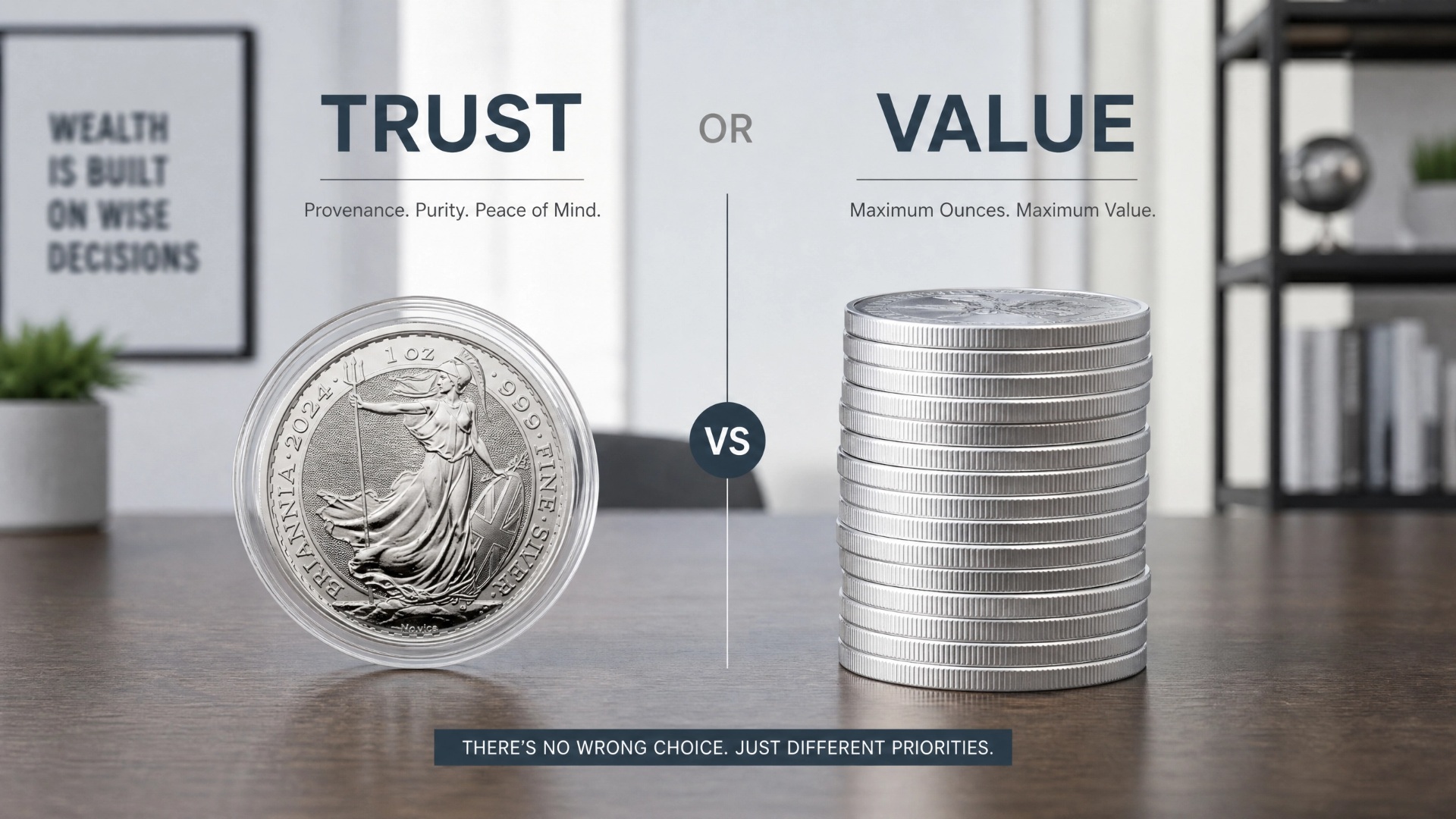
Quick answer: Your “best” coin depends on whether you care most about trust, resale, or pure ounces per unit of currency.
You can think about low‑cost coin choices in terms of your primary goal:
- If your goal is maximum trust and future resale ease:
Focus on well‑known sovereign 1 oz bullion coins (Maple Leaf, Britannia, Philharmonic, etc.). - If your goal is maximum ounces for your entry‑level budget:
Prioritize generic 1 oz rounds and discounted secondary‑market bullion coins. - If your goal is flexibility and small denominations:
Add some constitutional silver once you are comfortable with the basics.
In practice, many first‑time buyers combine at least one sovereign coin for confidence with several low‑premium rounds or coins that boost the total silver weight of their starter stack.
How to build a beginner silver collection with an entry‑level budget
Quick answer: Pick a small mix of 2–4 product types that fit your goal—trust, value, or flexibility—and repeat that pattern.
Example starter mixes
Rather than aiming for a specific number of ounces, think in terms of structure you can adapt to your exact budget and current silver prices:
Option A – “Trust‑first” mix
- One or two flagship sovereign bullion coins.
- Remaining budget in generic rounds or secondary‑market bullion coins.
- Best for: New buyers who want at least one big‑name coin and still care about value.
Option B – “Maximum ounces” mix
- Mostly generic 1 oz silver rounds or low‑premium secondary‑market bullion coins.
- Optional small amount of constitutional silver for fractional pieces.
- Best for: Buyers who mainly see silver as weight and want the most metal for the money.
Option C – “Variety sampler” mix
- A few different sovereign coins from major mints.
- A smaller allocation to generic rounds to stretch the remaining budget.
- Best for: People who want to enjoy different designs and mints while still stacking logically.
You can scale each option up or down depending on how much you are comfortable investing at a time—what matters is the structure and your reasoning, not hitting a magic quantity.
Balancing value, recognition, and variety
When you are building a beginner silver collection within an entry‑level budget range, three levers matter most:
- Value: Lower‑premium products give you more silver for the same money.
- Recognition: Highly recognizable coins tend to be simpler to sell later and are often considered some of the best silver coins for resale.
- Variety: A modest amount of variety can keep you engaged; too much can dilute your focus.
Aim for a mix that you can easily explain to yourself in one or two sentences—if you cannot explain why a coin is in your stack, you probably do not need it yet.
What beginners usually regret
Looking back on their first few purchases, many beginners say they regret:
- Paying steep premiums for flashy, limited‑edition coins instead of sticking to solid bullion.
- Underestimating how much shipping and small fees can eat into a tiny order.
- Spreading themselves across too many different products, making it hard to average in later.
Keeping your first purchases simple and rational helps you avoid turning early enthusiasm into expensive lessons.
Comparison table: low‑cost silver coin choices
Quick answer: Sovereign coins win on trust, generic rounds win on price, and constitutional silver shines for fractions.
| Type | Typical Premium Range* | Liquidity / Resale Ease | Best for main goal |
|---|---|---|---|
| Sovereign 1 oz bullion coins | Medium to high | Very high | Trust, simplicity, strong resale appeal |
| Generic 1 oz silver rounds | Low to medium | High (from known mints) | Maximum ounces for entry‑level budgets |
| Secondary‑market bullion coins | Low to medium | High | Value + recognizability |
| Constitutional / junk silver | Low to medium | High among informed buyers | Fractional flexibility, history, small trades |
*Premiums move with market conditions and seller; treat these as rough tendencies, not fixed rules.
How silver price changes affect your strategy
Quick answer: Let price moves change how fast you buy, not whether you keep building a position.
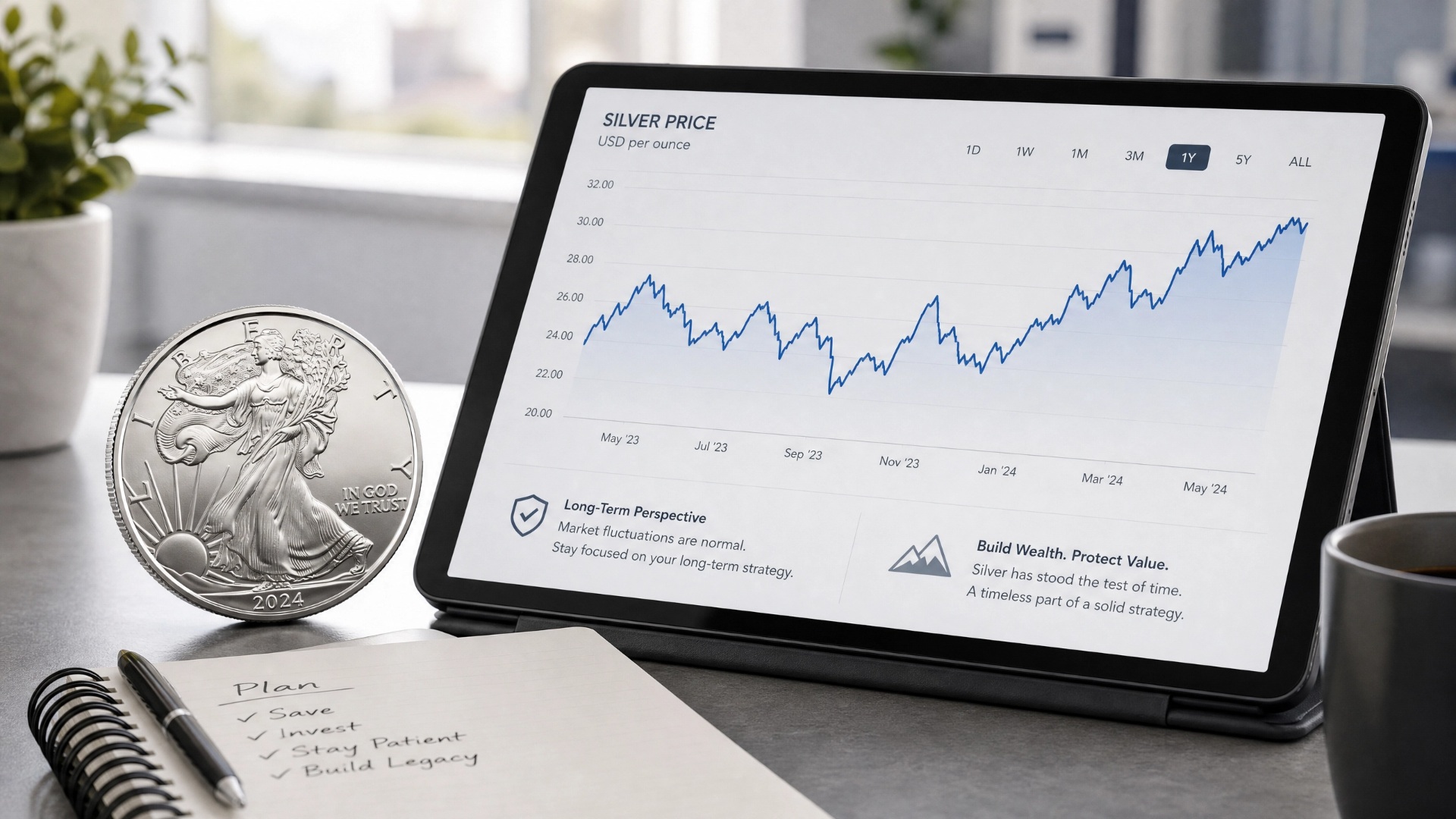
Silver’s price will move up and down while you are stacking; what matters is how you respond:
- When silver prices dip, you can lean more into your existing plan, adding the same structure of coins and rounds at more favorable levels.
- When prices spike quickly, you might slow down, focus on education, or shift toward learning about resale and storage rather than rushing to chase a move.
- Over time, consistently adding to your position in small, planned amounts tends to matter more than trying to time every short‑term fluctuation.
What I would do differently starting again: I would ignore short‑term price noise for my first several purchases and focus entirely on learning products, premiums, storage, and resale basics—price discipline matters more once your stack is larger.
Practical tips for buying low‑cost silver coins
Quick answer: Understand spot vs premium, buy from reputable sources, and keep your first order simple and documented.
Spot price, premiums, and realistic deals
At the most basic level:
- The spot price is the market price for raw silver, usually quoted per troy ounce.
- The premium is everything you pay above spot to get a real coin or round into your hand (minting, distribution, margin, etc.).
Low‑cost silver coin options for starting a small silver stack will still be above spot; the key is keeping premiums within a sensible range for the type of coin you are buying and the size of your order.
Typical premiums I’ve seen:
- Sovereign 1 oz coins: toward the higher end of typical retail premiums.
- Generic rounds and secondary‑market bullion coins: often noticeably lower, especially when bought in small bundles.
- Constitutional silver: can range from close to melt to modest premiums depending on demand and availability.
For a deeper explanation of how to read charts and premiums, use a dedicated pricing article.
Where to buy: local coin shops vs online dealers
Both local and online channels can work well at an entry‑level budget:
- Local shops: in‑person inspections, cash options, and direct conversations that help you learn quickly.
- Online dealers: broader selection, clear price comparisons, and often promotions or starter deals.
Whichever route you choose, stick to established, well‑reviewed sources and be cautious of offers that are dramatically cheaper than everything else—especially if they are vague about authenticity or shipping.
If you want to see what fair offers and payouts look like when you eventually sell, review a case‑study‑style article.
Simple rules for your first order
To keep your first experience clean and repeatable:
- Decide your entry‑level budget range and stick to it, including shipping.
- Limit yourself to a small, deliberate set of coins and rounds you understand.
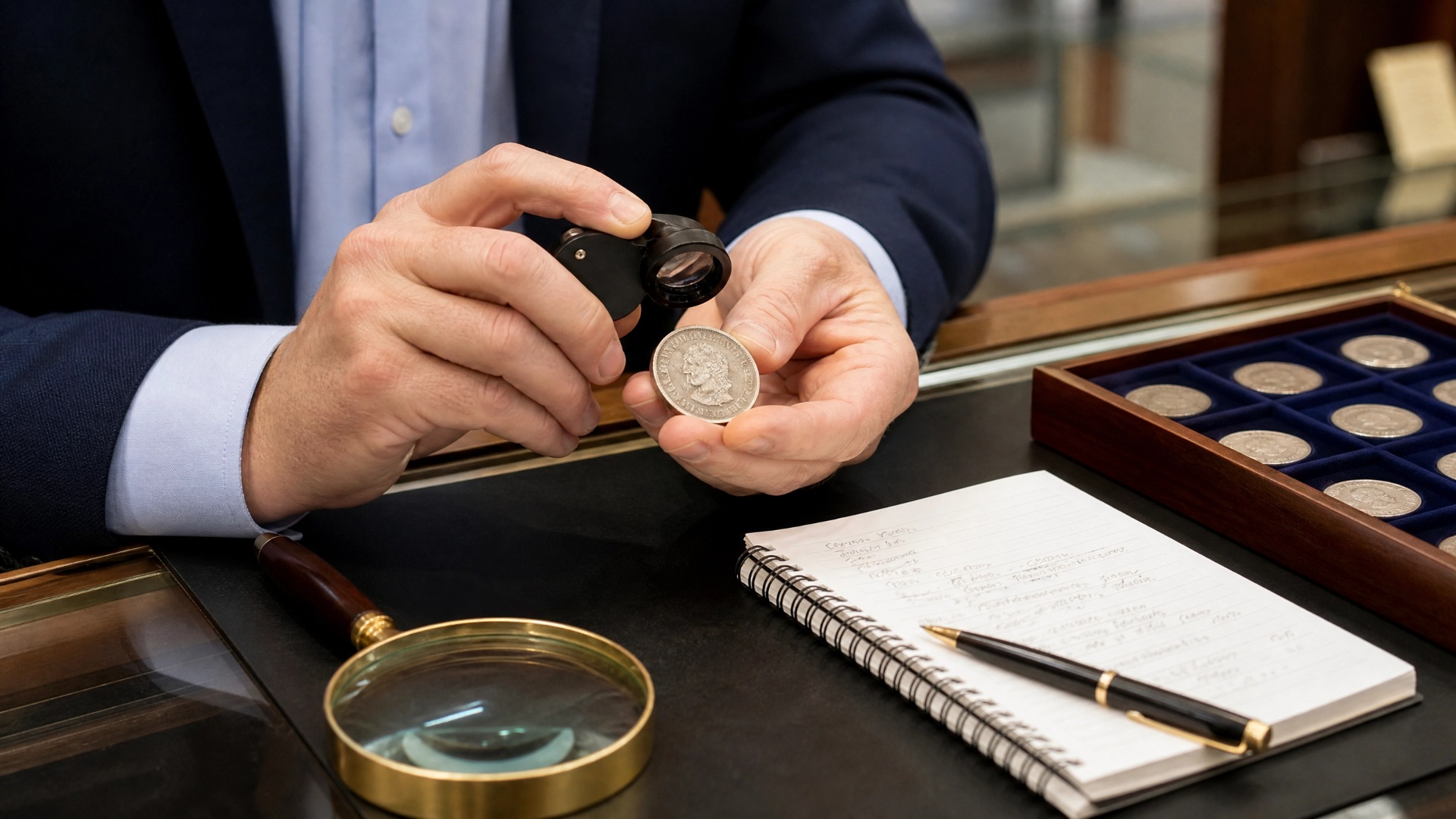
- Keep basic notes: what you bought, where, premiums you paid, and how you felt about the process.
Those notes become your personal E‑E‑A‑T: experience with real products, evidence you can reference later, and a track record you can refine instead of starting over.
How to store silver coins as a beginner
Quick answer: Choose a secure, dry place, protect from handling, and keep simple records.
Even a small starter stack deserves decent storage. As you consider how to store silver coins:
- Keep them in a cool, dry place away from humidity and extreme temperature swings.
- Leave proof and high‑finish pieces in original packaging; use tubes, flips, or capsules for everyday bullion.
- Avoid frequent handling with bare fingers to minimize toning and scratches, especially on high‑premium coins you may resell.
- Maintain a simple inventory (even a spreadsheet) noting coin types, quantities, and approximate purchase costs.
If your collection grows beyond an entry‑level range, you can consider safes, safe‑deposit boxes, or professional vaulting, but early on, basic home security and discretion go a long way.
FAQs: low‑cost silver coins for first‑time buyers
Which silver coins are best for someone buying silver for the first time?
A simple mix of 1 oz sovereign bullion coins plus low‑premium 1 oz silver rounds from reputable mints is usually best for new buyers.
What are some low cost silver coin options for starting a small silver stack?
Generic 1 oz silver rounds, discounted or secondary‑market bullion coins, and selected constitutional silver are all strong low‑cost options for small starter stacks.
How can I build a beginner silver collection within an entry‑level budget range?
Pick a clear structure—such as one or two sovereign coins plus several low‑premium rounds and, optionally, a bit of constitutional silver—and repeat that pattern over time.
Are generic silver rounds a good choice for new investors?
Yes, generic rounds are often among the most cost‑effective ways to acquire pure silver, especially when you already have or plan to add at least one or two widely recognized sovereign coins.
Should I buy government bullion coins or cheaper rounds first?
If you value trust and simplicity, start with sovereign coins; if you prioritize ounces per unit of currency, start with rounds—but many beginners do best with a blend of both.
Are sovereign bullion coins the best silver coins for resale later?
Well‑known sovereign bullion coins are usually among the easiest products to resell because buyers recognize them instantly and pricing references are widely available.
Is junk silver (constitutional silver) a good option for beginners on a budget?
It can be, provided you are willing to learn how silver content works; junk silver offers fractional pieces and often reasonable premiums, but is slightly less intuitive than 1 oz bullion.
How should I store silver coins as a new investor?
Use a secure, dry, discreet location; keep coins in tubes, flips, or capsules; avoid unnecessary handling; and maintain a simple inventory of what you own.
What I would do differently if I were starting again?
I would choose one simple starter mix, ignore short‑term price noise, track premiums carefully, and focus the first phase purely on learning products, storage, and resale basics before chasing more exotic pieces.
If you feel ready to take the next step, start by choosing a simple goal (trust, value, or flexibility), pick a matching starter mix of sovereign coins and low‑premium rounds, and then check current prices and premiums from a few reputable sources. When you are comfortable with your plan, place a small, deliberate first order—and if you want a second opinion on your mix, use a bullion guide or speak with a specialist before you scale up.