Published by
Gold Expert
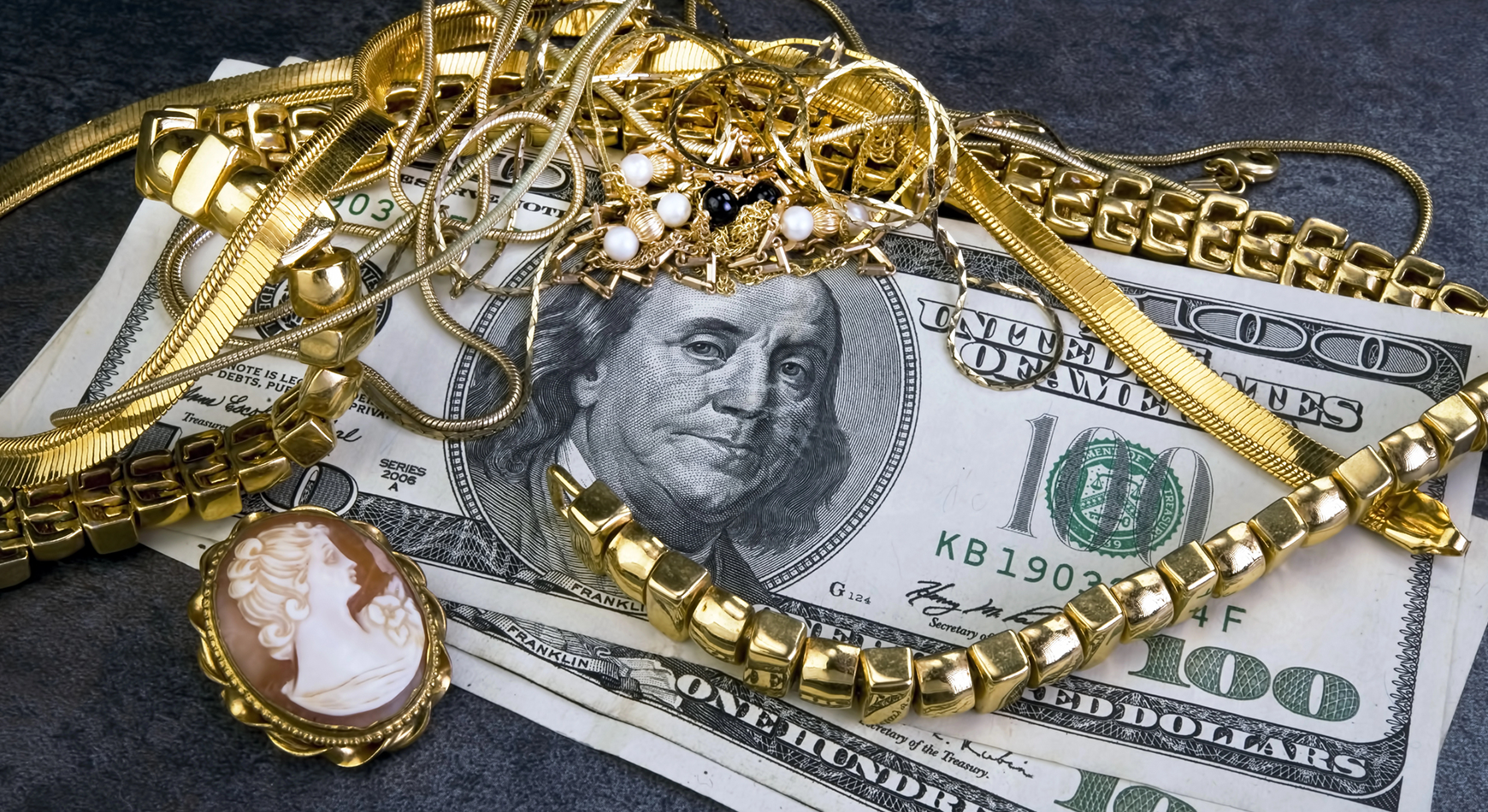
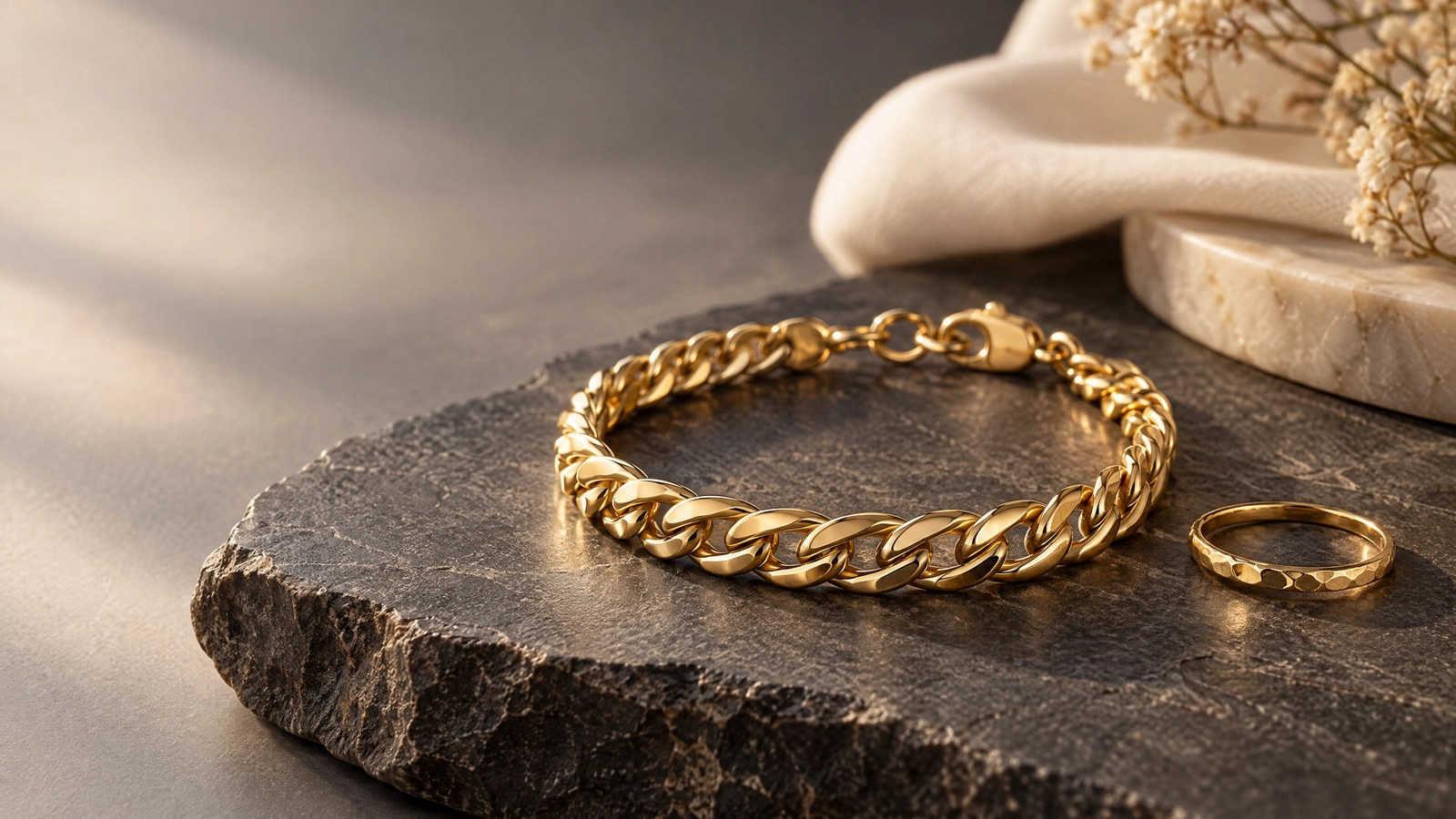
If you have old, broken, or unworn gold jewelry sitting in a drawer, you may be holding value that could work harder for you in bullion form. In the long run, turning old gold jewelry into investment‑grade bullion can make sense when pieces no longer serve an emotional or practical purpose and you want clearer exposure to the gold market.
This guide explains how to turn old gold jewelry into investment grade bullion, including realistic spreads between scrap offers and gold’s spot price, typical bullion dealer markups, and the main paths from broken jewelry to quality gold bars or coins. It also covers how to upgrade sentimental pieces into practical bullion, how refineries compare to dealers, and how using cash from unwanted jewelry to start a gold and silver stack can fit into a broader plan.
When jewelry becomes bullion
Quick answer: Jewelry is for wearing and memories; bullion is for pure metal ownership and simple pricing.
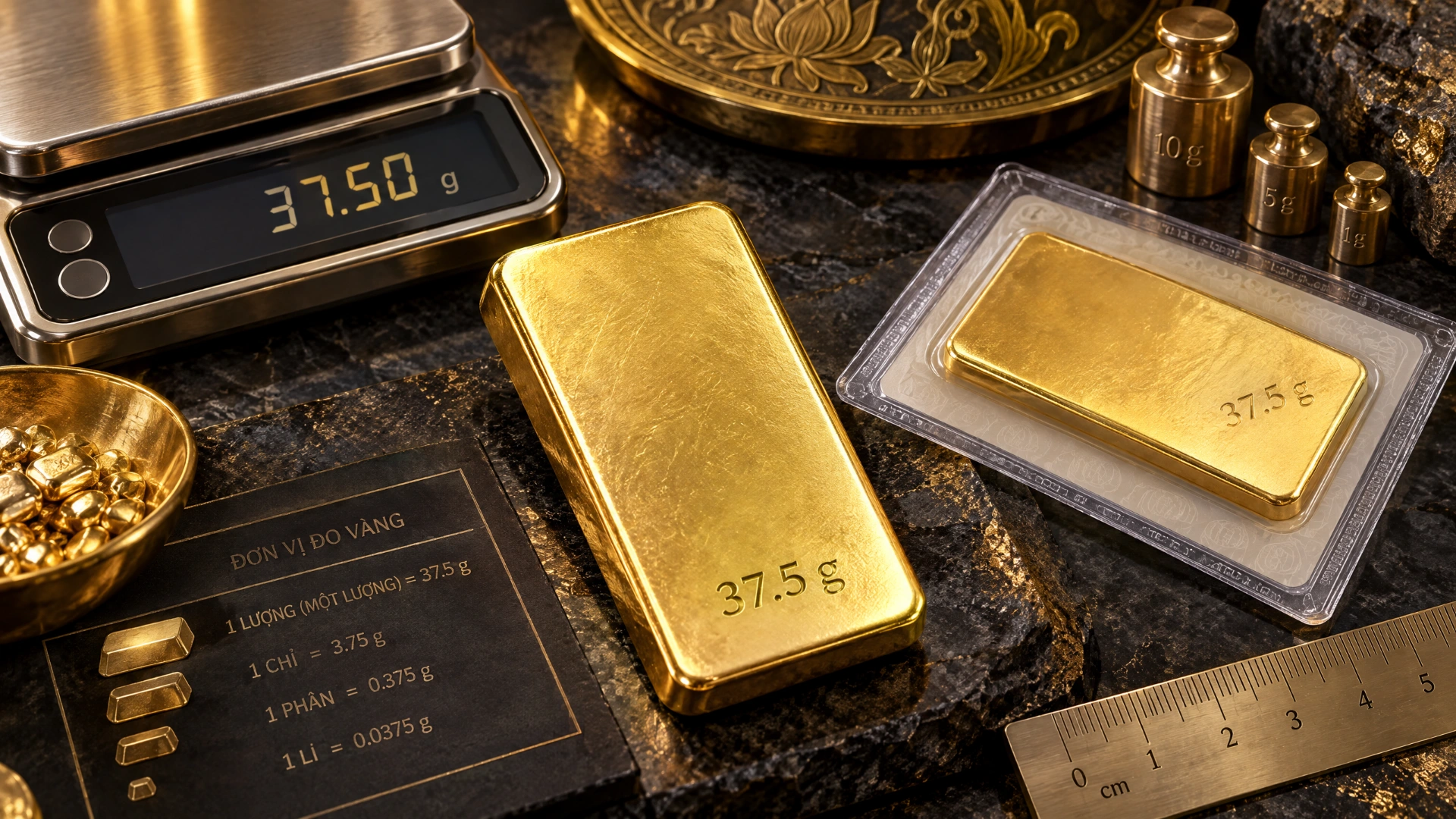
Gold jewelry and bullion solve different problems. Jewelry combines metal content with design, branding, and sentiment, while bullion focuses on karat purity, troy ounce weight, and tight alignment with the spot price plus a transparent premium.
Over the past decades, many savers have chosen to convert broken, outdated, or duplicated jewelry into coins and bars because bullion is easier to value, store, and resell. At the same time, pieces with deep family or historical meaning may be better kept as jewelry or partially preserved before conversion.
If you want to see where this decision sits inside a broader metals plan, pair this guide with a bullion fundamentals piece.
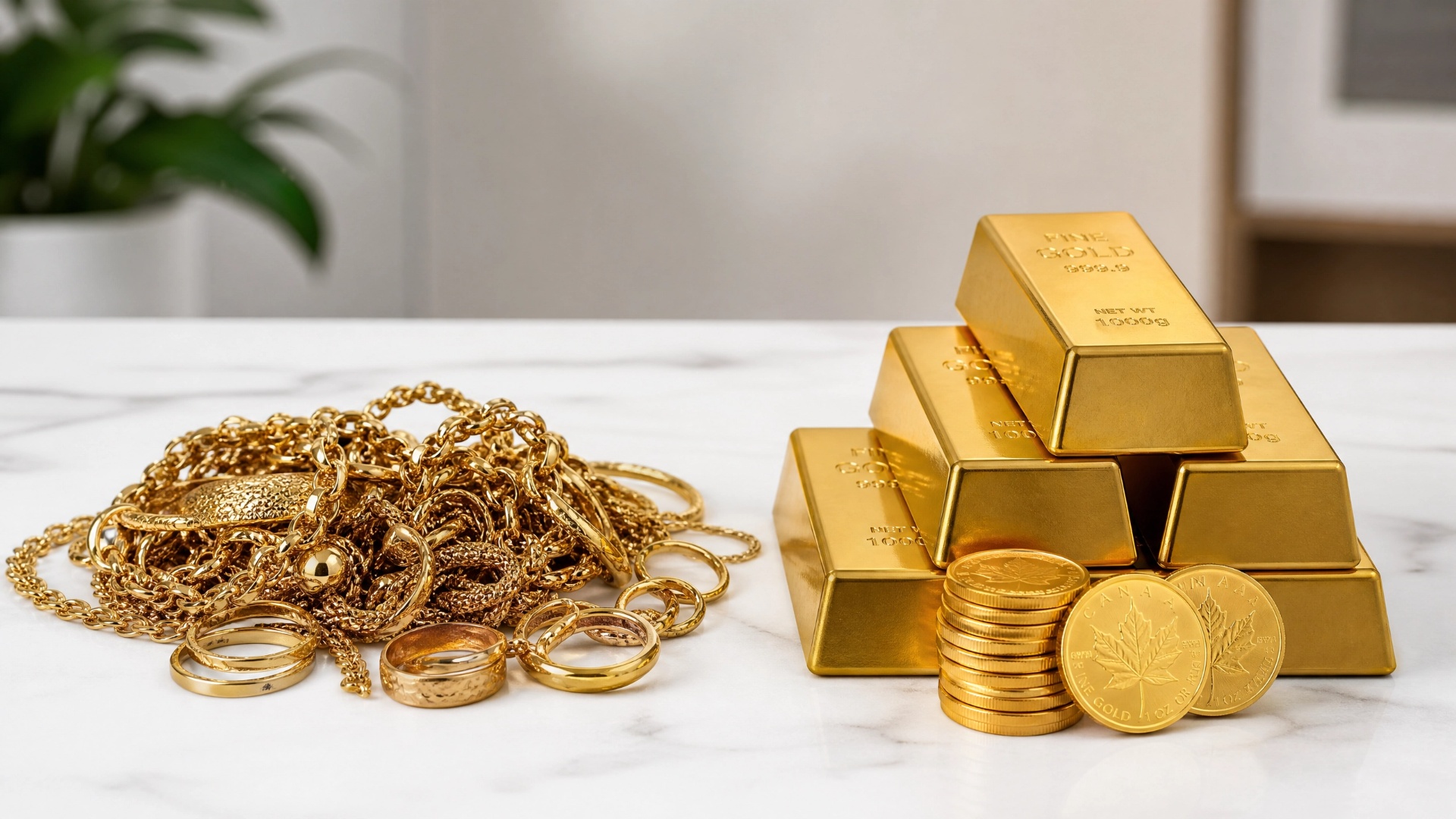
Why people convert jewelry
Quick answer: People convert jewelry into bullion for cleaner investment exposure and to stop paying for design they no longer use.
Financial reasons
From a financial standpoint, bullion is more transparent than jewelry. With bullion, you are mainly paying for:
- Metal content (karat purity and troy ounces).
- Spot price and spot price premium.
- Bullion dealer markup (their gross margin above spot).
With jewelry, you are also paying for labor, design, retail overhead, and brand, none of which you usually recover when you sell as scrap. Over the long term, that makes jewelry a less efficient way to hold gold if your primary goal is investment rather than adornment.
Emotional and practical reasons
On the emotional side, people often keep pieces they never wear simply because they feel guilty selling them. Converting those into bullion can be a way to respect the value of the gold while admitting the item no longer fits your life.
Practically, bullion is easier to store in small spaces, insure, and pass on. Coins and bars are also easier to verify with standard tools than many complex jewelry settings.
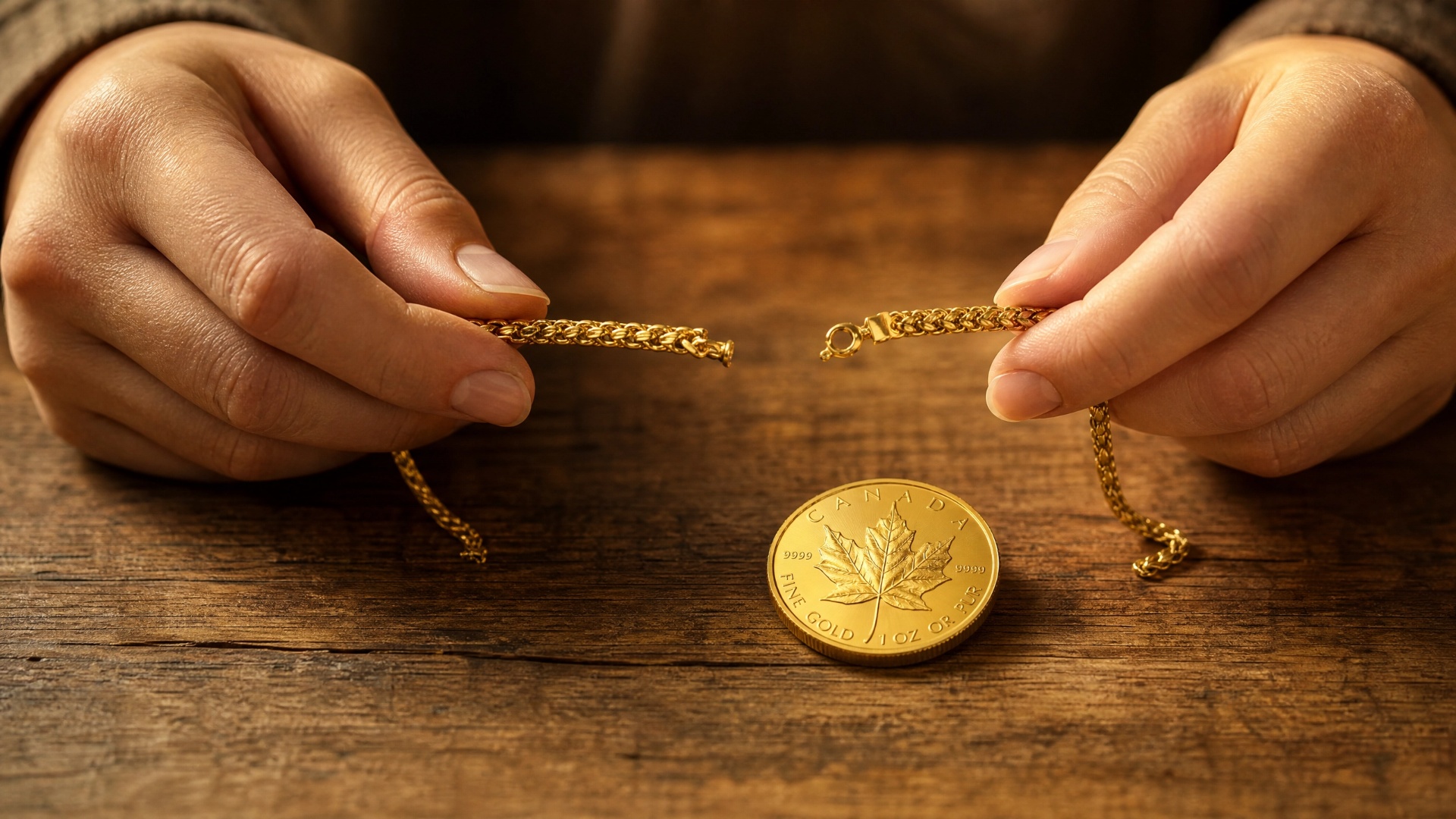
Jewelry vs coins vs bars: side‑by‑side comparison
Quick answer: Jewelry is worst for pure investment value, coins are best for flexibility and resale, bars are best for low premiums per ounce.
| Feature / Asset type | Gold jewelry | Gold coins (bullion) | Gold bars (bullion) |
|---|---|---|---|
| Primary purpose | Wear, design, sentiment | Investment and savings | Investment and savings |
| Pricing basis | Metal + design + brand | Spot price + premium + dealer markup | Spot price + lower premium + dealer markup |
| Typical buy‑back vs spot | Often ~60–80% of melt value for scrap (20–40% below spot), can be higher for designer or branded pieces | Often close to spot minus a small spread for common bullion | Often close to spot minus a small spread for recognized bars |
| Typical premium when buying | Very high (retail jewelry markup) | Roughly 3–10% above spot for common bullion coins, more for special issues | Roughly 1–5% above spot for standard bars (higher for very small bars) |
| Liquidity / resale | Variable; depends on style and buyers | High; widely recognized formats | High for branded, especially LBMA‑certified bars |
| Verification complexity | Higher: karat, stones, settings | Lower: standard weights, designs, purity | Lower: marked weight, fineness, serial numbers |
| Storage efficiency | Lower (bulky, irregular shapes) | Good; stackable tubes or capsules | Excellent; compact, especially larger bars |
| Best fit for | Wearable wealth, personal gifts | Flexible investment, small denominations | Cost‑efficient stacking for larger allocations |
Numbers are indicative ranges; actual premiums, discounts, and spreads vary by market, product, and counterparty.
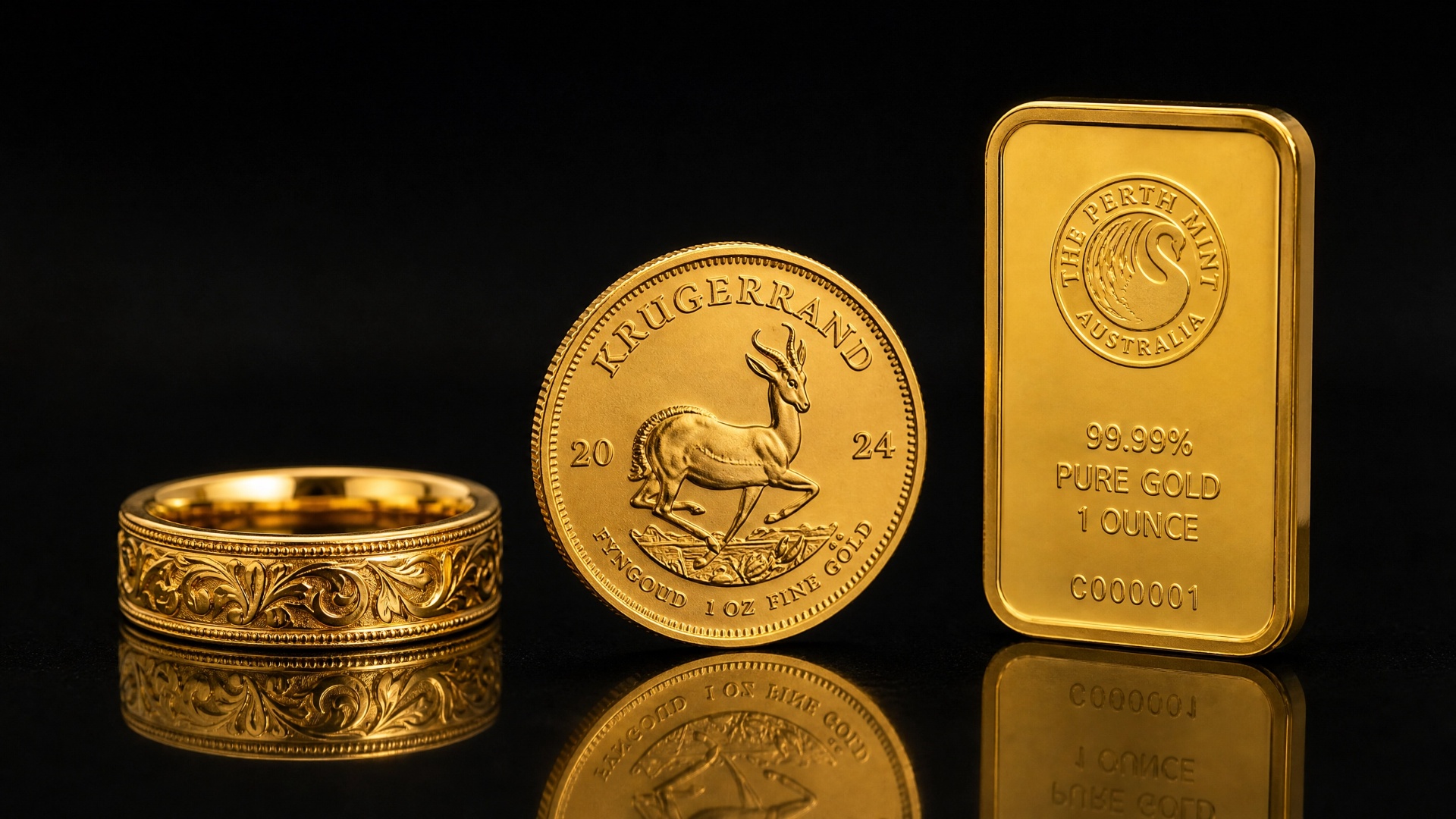
Is it a good idea to sell jewelry and buy gold coins instead?
Quick answer: It can be a good idea if the piece is not sentimental, and if the discount on your jewelry plus the premium on coins still leaves you comfortable.
When it makes sense
Selling jewelry and buying gold coins instead can be sensible when:
- The jewelry is broken, seriously worn, out of style, or never used.
- The item has limited sentimental value.
- You want a clear, investment‑grade position tied more closely to spot price.
- You accept that scrap jewelry typically sells at a discount to its melt value and that bullion coins carry a spot price premium.
In many local markets, scrap buyers might effectively pay somewhere in the range of 60–80 percent of the theoretical spot‑value of the gold in standard, non‑designer pieces, once karat purity and refining costs are accounted for. Well‑known bullion coins might then cost you, for example, a premium on the order of a few percent to around 10 percent above spot price, depending on size, brand, and demand.
When it may not make sense
Conversion may not be wise when:
- The piece is a unique heirloom or has deep family meaning.
- It is a designer or collectible item whose resale value exceeds simple scrap pricing.
- Local offers are unusually low relative to spot price and karat purity.
- You would immediately put the funds into high‑premium, semi‑numismatic coins instead of straightforward bullion.
In those cases, the financial gain may not justify the emotional cost or the double layer of spreads (scrap discount plus bullion premium).
Steps to go from broken gold jewelry to quality gold bars
Quick answer: Identify karat and weight, learn the difference between scrap value and spot price, get multiple offers, then move into recognized bullion.
Step 1: Identify what you own
Start by looking for hallmarks that show karat purity (10k, 14k, 18k, 22k) and any stamps that indicate whether the piece is solid gold, gold‑filled, or plated. Karat purity tells you what percentage of the piece is actual gold (for example, 14k is roughly 58.5 percent gold), which is essential for estimating melt value.
Weighing the piece in grams and converting to troy ounces helps you approximate its metal value using the live spot price. Just remember that only the gold portion, not stones or clasps, contributes to melt value.
Step 2: Understand scrap price vs spot price
The spot price is the market price for one troy ounce of pure (24k) gold. Scrap price is what a buyer will pay you for the gold content in your jewelry after accounting for karat purity, refining costs, and their margin.
Typical offers for common, non‑designer jewelry can translate to a net payout that is below the full melt value of the pure gold content, once karat purity and refining costs are considered. In contrast, some specialist refiners or high‑volume buyers may pay closer to melt value for clean, clearly hallmarked scrap, especially in larger quantities.
Step 3: Get multiple valuations
Once you know karat purity and approximate weight, take the piece to more than one buyer:
- A dedicated gold buyer or bullion dealer.
- A jeweler with a scrap program.
- If accessible, a public‑facing refinery or a dealer with refinery connections.
Different businesses structure their payouts differently. Some may pay a higher percentage of melt but charge fees elsewhere; others may pay less but offer more convenience. Multiple quotes help you see where in the range your piece truly falls.
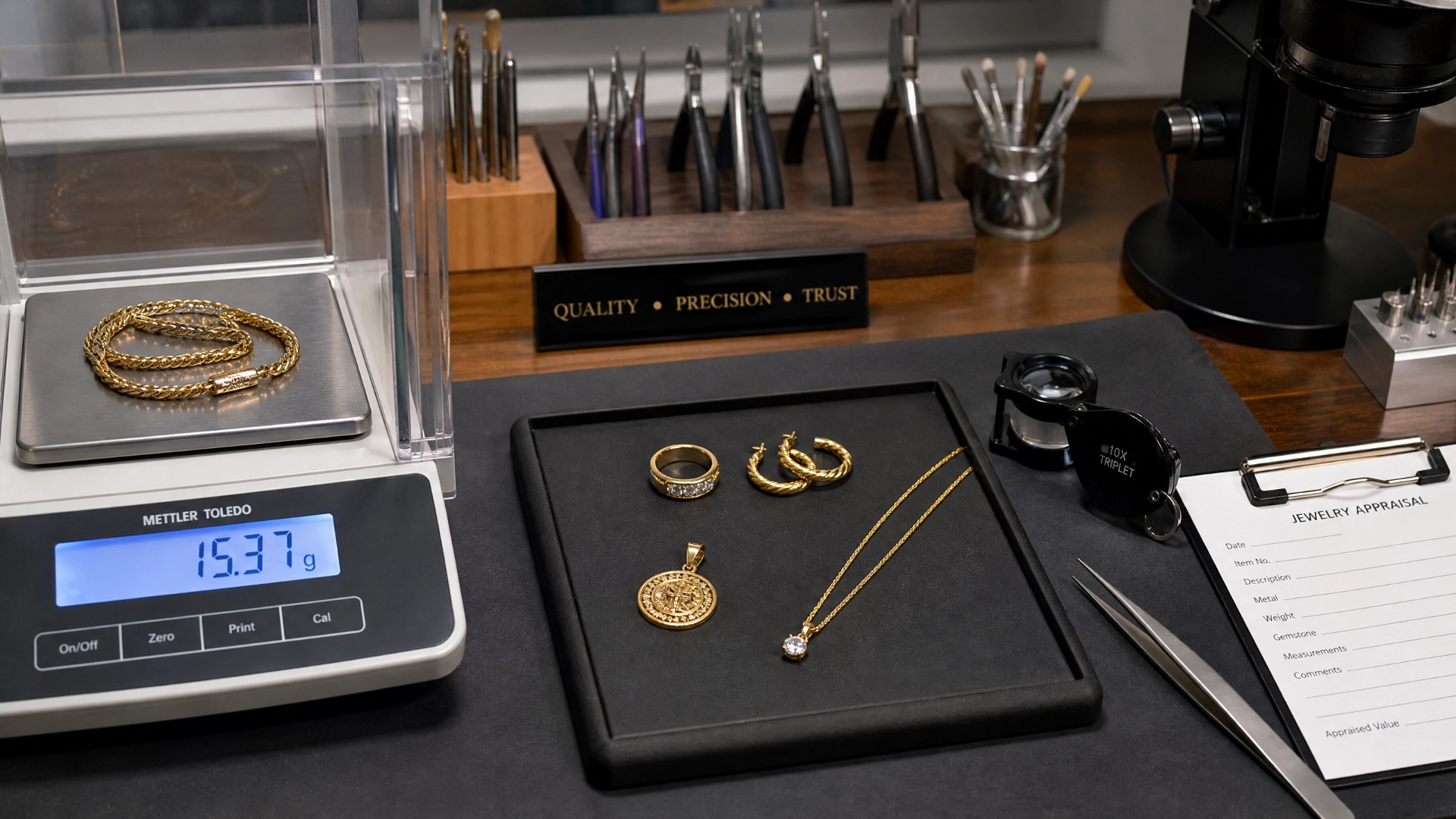
Step 4: Decide between refinery vs dealer
Refinery vs dealer is a classic trade‑off:
- A refiner (or a buyer with direct refinery relationships) often pays the highest percentage of melt value for clean scrap because they earn their margin later in the refining chain.
- A bullion dealer may pay slightly less for plain scrap but can recognize extra value in collectible coins, branded jewelry, or items suitable for retail resale.
If your item is purely scrap, a refinery‑linked option can be strong; if it might have additional design or collector value, a knowledgeable dealer may be better.
Step 5: Choose bullion format and execute
After the sale, decide how much of the proceeds you will direct into bullion and what form it should take:
- Coins for flexibility, recognizability, and easier partial liquidation.
- Bars for lower premiums per troy ounce, especially in standard weights and LBMA‑certified bars from Good Delivery refiners.
Bullion dealer markups for mainstream coins and bars often fall in the rough range of a few percent to around 10 percent above spot for small, retail quantities, with larger bars typically sitting at the lower end of that range and very small pieces at the higher end.
How to upgrade sentimental gold pieces into practical bullion
Quick answer: Keep the memory in photos or a small keepsake, and convert only what you truly don’t need in jewelry form.
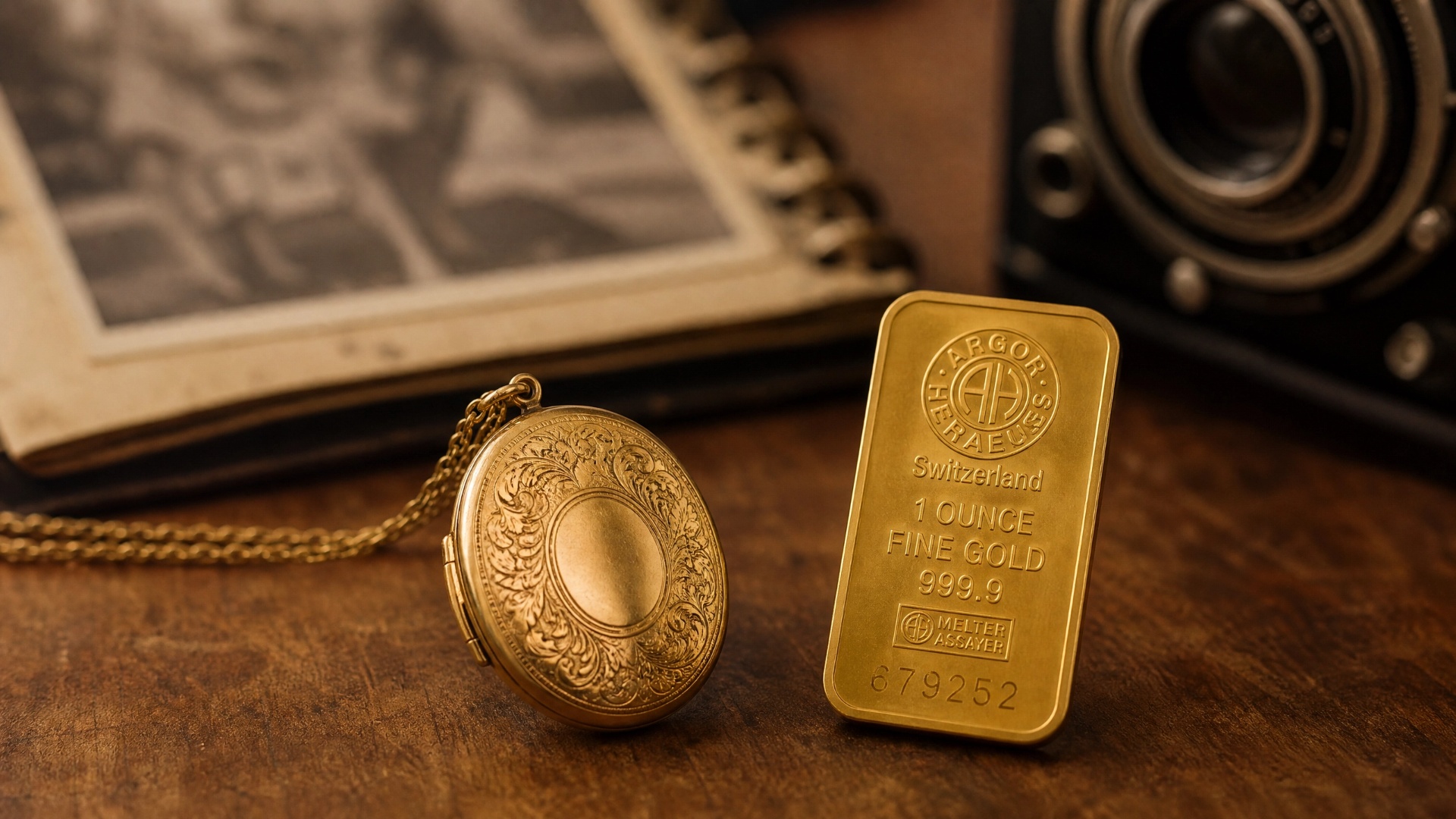
Keep the memory, change the form
If a piece has emotional weight, you can separate the memory from the metal:
- Photograph the item before selling or melting it.
- Keep one representative piece and convert others.
- Document its story in writing for your family.
That way, when you convert remaining items into bullion, you are not “erasing” the memory but repositioning the asset for your future.
Decide what deserves preservation
Ask three questions for each item:
- Do I wear this, or realistically plan to?
- Would I regret not having this exact piece in the future?
- Does its sentimental value outweigh the potential bullion value?
If the answer is yes, keep it. If not, it is a better candidate for conversion into investment‑grade bullion.
Using cash from unwanted jewelry to start a gold and silver stack
Quick answer: Treat the sale proceeds as starting capital for a balanced metals plan, not as “found money” to spend immediately.
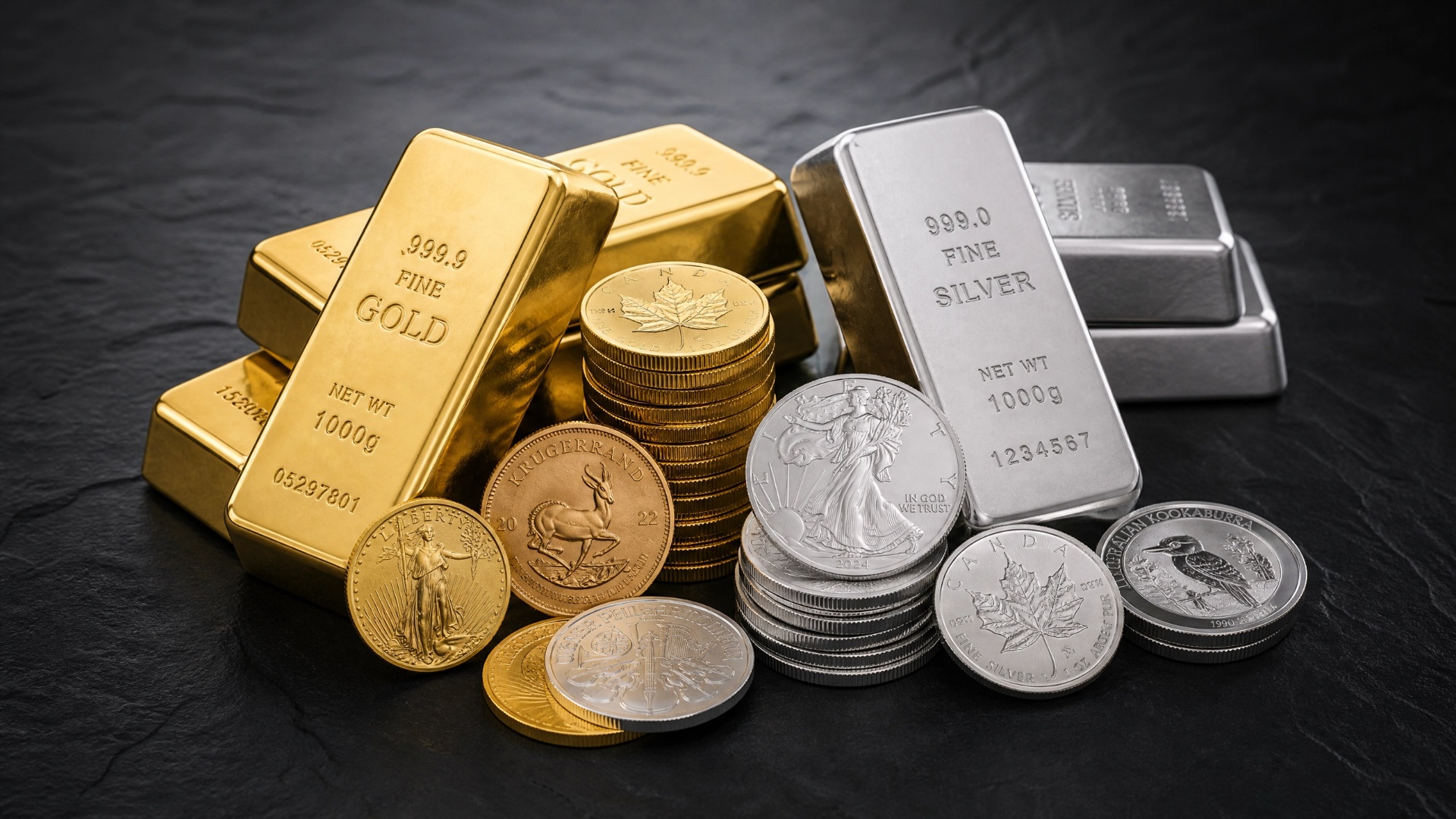
Using cash from unwanted jewelry to start a gold and silver stack can be a disciplined way to turn idle value into a structured portfolio of coins and bars. A simple approach is to decide in advance what portion you want in gold versus silver and which products match your risk tolerance and budget.
For example, you might put most of the proceeds into widely recognized gold coins or small bars, and a smaller portion into silver bullion for additional diversification and lower per‑piece pricing. The exact split is less important than having a clear, long‑term strategy you can maintain over time.
For help deciding how gold and silver complement each other, consult a broader safe‑haven guide.
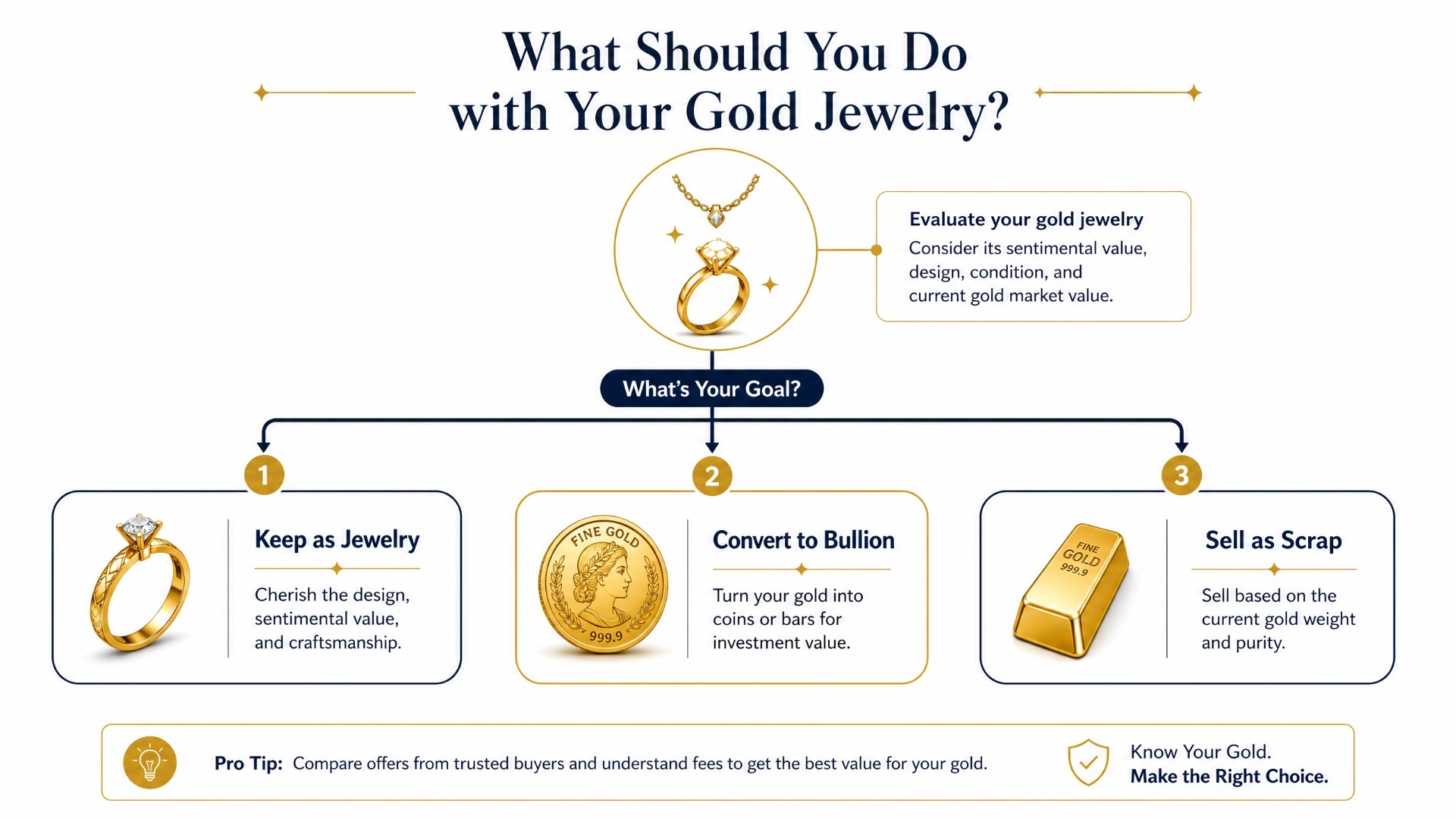
What to do with jewelry: a simple flowchart
Quick answer: Every piece leads to one of three outcomes: keep, convert, or sell and redeploy.
You can visualize your decision as a three‑branch flowchart:
- Start: Identify piece
Check karat purity, weight, condition, and emotional value. - Branch A – Keep as jewelry
If emotional value is high or you still wear it, keep it. Consider professional cleaning or minor repair instead of selling. - Branch B – Convert into bullion
If emotional value is moderate and it is repairable or sellable above scrap, consider selling and using the proceeds for coins or bars that better fit your goals. - Branch C – Sell as scrap and redeploy
If the piece is broken, purely scrap, and not sentimental, treat it as raw material. Seek the best scrap offer you reasonably can, then allocate proceeds into bullion.
This structure keeps decisions consistent, rather than emotional or rushed.
FAQ: from jewelry box to bullion (12 questions)
1. Is it a good idea to sell jewelry and buy gold coins instead?
It can be a good idea if the jewelry is unwanted, has limited sentimental value, and you understand that you will likely receive less than melt value while paying a premium for coins. It is less attractive for heirlooms, designer items, or pieces you may regret parting with.
2. How do I turn old gold jewelry into investment grade bullion?
Identify karat purity and weight, learn how scrap price differs from spot price, collect multiple offers from dealers or refiners, then use the proceeds to buy recognized bullion coins or bars from a reputable bullion dealer. Keeping records of both transactions helps you track your effective cost basis.
3. What is the difference between scrap price and spot price?
Spot price is the market price for one troy ounce of pure (24k) gold, while scrap price is what a buyer offers for the recoverable gold content in your jewelry after factoring in karat purity, refining losses, costs, and margin. Scrap offers are generally below the full melt value implied by spot.
4. Are refiners better than dealers for selling gold jewelry?
Refineries or buyers with refinery connections often pay a higher percentage of melt value for clean scrap because they can process it directly. However, a skilled dealer may pay more than a refiner for designer pieces or collectible items that are worth more than scrap, so the best choice depends on the type of jewelry you have.
5. What are typical spreads when selling jewelry compared to spot price?
For common, non‑designer gold jewelry, it is common to see effective payouts below the theoretical melt value of the contained gold, once karat purity, refining, and margin are considered. Some specialized buyers and refiners may pay closer to melt for clean, clearly hallmarked scrap, especially in larger quantities.
6. What are typical premiums when buying gold coins or bars?
For mainstream bullion, dealer markups often fall into a broad range of a few percent to around 10 percent above spot for small purchases, with larger bars generally at the lower end and very small pieces or specialty coins at the higher end. Premiums can be higher for collectible or low‑mintage pieces.
7. What karat purity and coin type are best when rebuying gold?
Most investment‑grade gold bullion coins and bars are .999 or .9999 fine (roughly equivalent to 24k), which makes them easy to price against the spot market. Widely recognized 1 oz coins and standard‑weight bars from well‑known or LBMA‑linked refiners are typically preferred for liquidity and verification.
8. Is it better to buy coins or bars after selling jewelry?
Coins are usually best if you want flexibility, smaller denominations, and easier resale, while bars are better if your priority is minimizing premiums per troy ounce. Many investors combine both, using coins for liquidity and branded bars for efficient stacking.
9. Is it worth upgrading sentimental gold pieces into practical bullion?
It can be, but only if you are comfortable separating the memory from the object. A balanced approach is to keep a particularly meaningful piece or part of one and convert other items that are less important into bullion.
10. Should I sell my gold jewelry directly to a refiner?
If you have clean scrap and access to a refiner that buys from the public, this can be efficient. However, refiners typically focus on metal content only and may not pay extra for brand or design value, so for high‑end or vintage pieces a dealer with collector knowledge might be better.
11. How can I avoid being underpaid for my scrap gold?
Know your karat purity and approximate weight, understand spot price, get more than one quote, and ask how the buyer calculates offers. Avoid high‑pressure environments and make sure any adjustments for stones, solder, or mixed metals are clearly explained.
12. Can I use cash from old jewelry to start both a gold and silver stack?
Yes, and many people do exactly that by treating jewelry sale proceeds as seed capital for a diversified metals position. Decide ahead of time what portion you want in gold versus silver, then select bullion products that match your comfort level, storage plans, and long‑term goals.
If you are ready to move from a full jewelry box to a focused bullion stack, start by listing your pieces, checking karat marks, and getting a few realistic offers based on spot price. Then choose whether to keep, convert, or fully redeploy each item—and once you have cash in hand, channel it deliberately into well‑known coins or bars that match your long‑term plan, rather than rushing into whatever looks exciting on the day.