Published by
Gold Expert
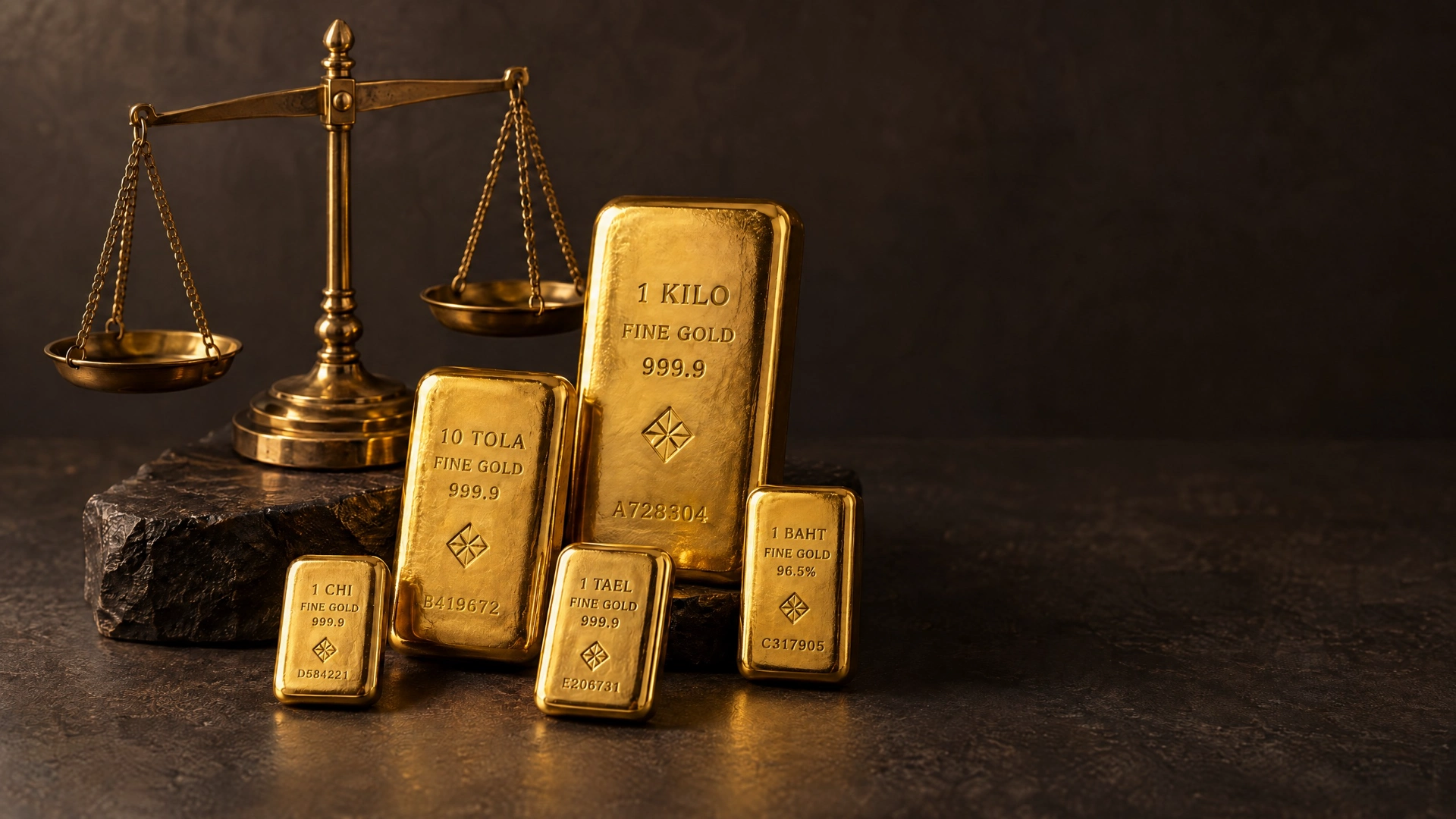
A tola is 180 grains, exactly three-eighths of a troy ounce, or about 11.6638 grams. A Hong Kong gold tael is about 37.43 grams, a Vietnamese lượng (also called a tael) is 37.5 grams, and a chỉ is one tenth of a lượng, 3.75 grams. A Thai baht of gold weighs 15.244 grams.
Each of these is a unit of weight, not of purity. To compare a piece weighed in any of them with a US price, you need its weight in grams, its fineness, and the gold price per troy ounce. This guide gives the conversions, the sources behind them, and the arithmetic.
Why Gold Is Still Weighed in Tola, Tael and Baht
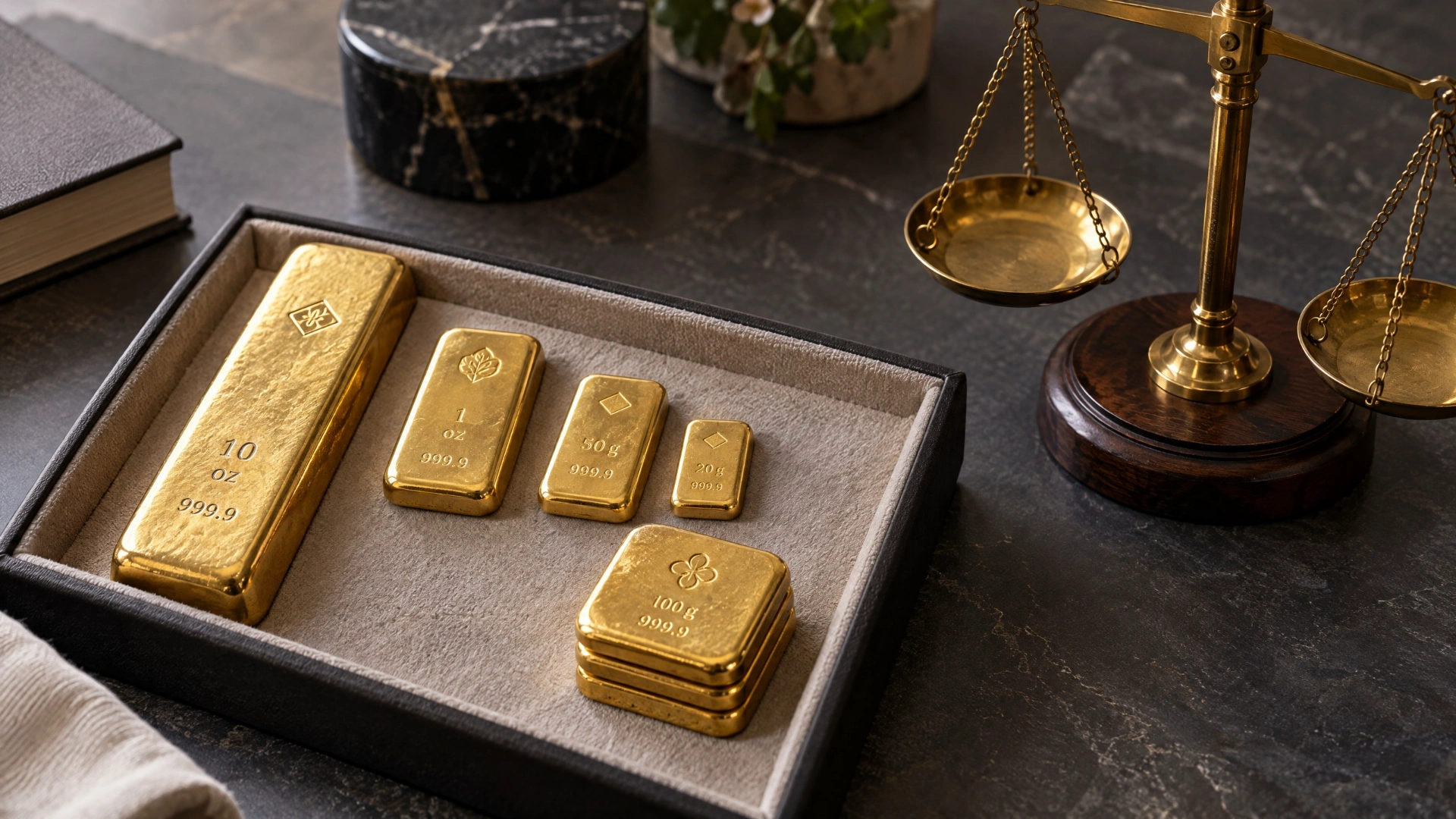
Gold is still weighed in these units because some standard bar sizes are still defined in them: the ten-tola bar, the five-tael Hong Kong biscuit bar and the 37.5-gram Vietnamese lượng bar among them.
The London Bullion Market Association's journal, in an Alchemist article on small bars, notes that "ten-tola bars, the old standard of the Indian market, are also still available in a 100gram form, though less popular than they used to be." LBMA's notes on five-tael biscuit bars describe Hong Kong bars made in one to ten taels, with the five-tael bar the most common.
So a piece of gold arriving at a Virginia counter may be stamped in tola, tael, lượng or baht, with or without a gram figure beside it. The conversion is the first step to knowing what it contains.
The Conversions at a Glance
One tola is exactly 0.375 troy ounce, a Vietnamese lượng 1.2057, a Hong Kong gold tael about 1.2034 and a Thai baht 0.4901; the table below gives grams and troy ounces for each. Troy ounces use the definition in NIST Handbook 44, Appendix C: one troy ounce is exactly 480 grains, about 31.103 grams, and one grain is exactly 64.79891 milligrams.
| Unit | Where you meet it | Grams | Troy ounces |
|---|---|---|---|
| Tola | India and Pakistan | 11.6638 | 0.3750 |
| Ten-tola bar | Former Indian market standard bar | 116.638 | 3.7500 |
| Gold tael (Hong Kong) | Hong Kong | about 37.43 | about 1.2034 |
| Five-tael bar (Hong Kong) | Hong Kong | about 187.15 | about 6.0170 |
| Lượng (tael) | Vietnam | 37.5 | 1.2057 |
| Chỉ | Vietnam | 3.75 | 0.1206 |
| Baht | Thailand | 15.244 | 0.4901 |
Troy-ounce figures are rounded to four decimal places. The sources for each gram figure are in the sections below.
The Tola: 180 Grains, Exactly Three-Eighths of an Ounce
A tola is 180 grains, about 11.6638 grams. The sizes.com units reference records that the tola was legalized at 180 grains by the British authorities in Bengal in 1833, and that India's metric legislation of 1956 fixed it at exactly 0.0116638 kilogram.
Because a troy ounce is 480 grains, a tola is 180 ÷ 480, or exactly 0.375 troy ounce. That makes the arithmetic unusually clean. A ten-tola bar is 3.75 troy ounces, or 116.638 grams, before purity is taken into account.
A piece weighed in tola may also carry a karat or fineness mark. A stamp of 22K means 22 parts gold in 24, or about 91.67% gold by weight; a bar marked 999 or 999.9 is close to pure. The tola tells you how heavy the piece is, and the karat or fineness mark tells you how much of that weight is gold.
The Tael: Ask Which Tael
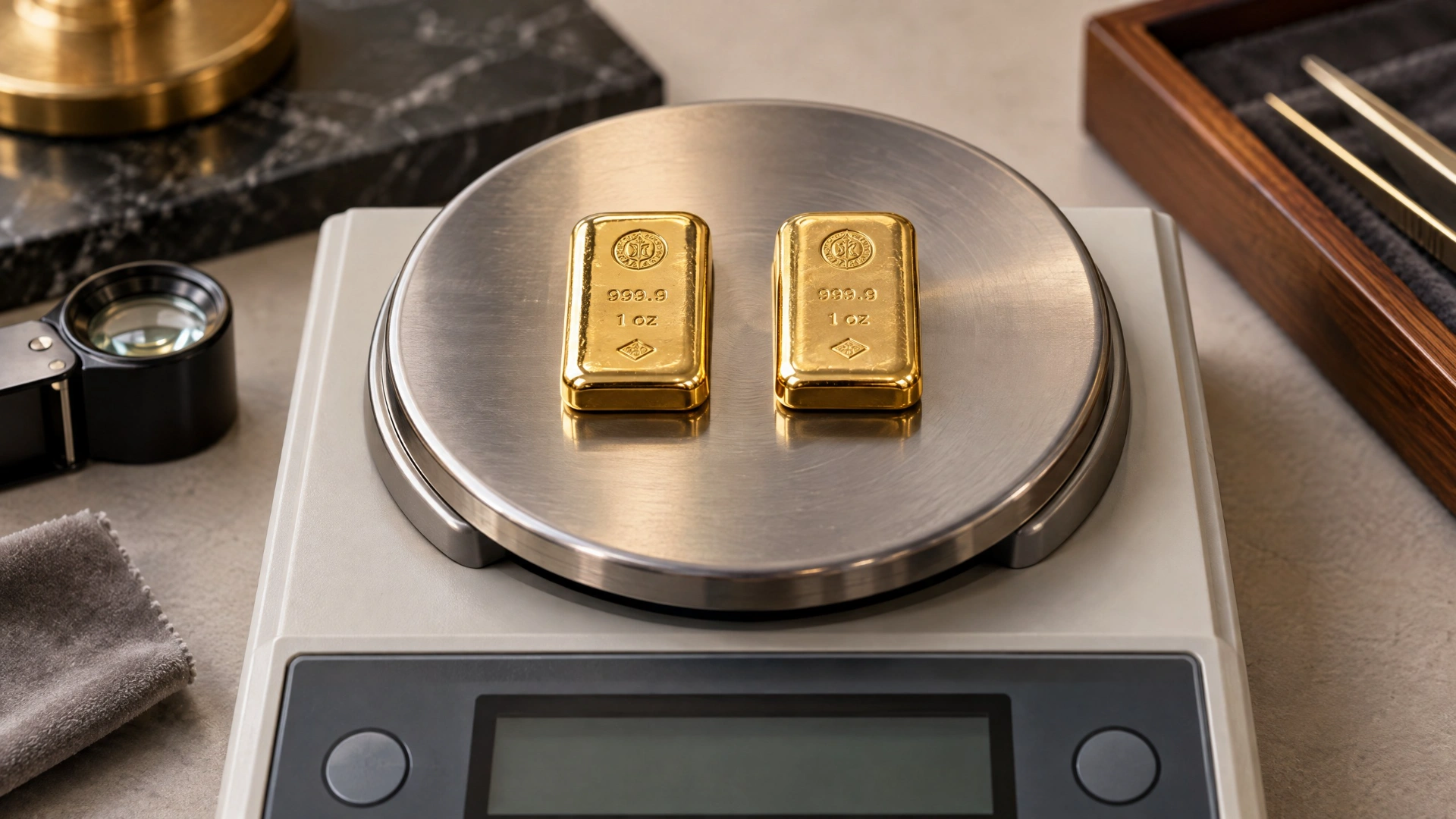
The tael can cause confusion, because the same English word has been used for more than one weight. This guide covers two: the Hong Kong gold tael and the Vietnamese lượng.
The Hong Kong gold tael, the unit Hong Kong gold bars are made in, works out to about 37.43 grams. LBMA's collection notes put the common five-tael Hong Kong bar at around 187.15 grams. The Chinese Gold & Silver Exchange Society’s own good delivery specification for Hong Kong tael bars sets a minimum fineness of 0.990.
The Vietnamese lượng is 37.5 grams. It divides into ten chỉ of 3.75 grams each. Our guide to the 37.5-gram mot luong bar covers the lượng, the chỉ and the markings on Vietnamese bars in detail.
The gap between the two is small but real. Five Hong Kong taels and five Vietnamese lượng differ by about 0.35 grams. That is 0.07 grams per tael, and the gap grows with the number of bars. When a piece is described only as "one tael", ask for the gram weight, or weigh it.
The chỉ
A chỉ is 3.75 grams, one tenth of a lượng, or about 0.1206 troy ounce. A piece described as two chỉ weighs about 7.5 grams. As with every unit here, the chỉ gives the weight of the piece, and its purity is a separate question.
The Baht: Thailand's Gold Weight
A baht of gold weighs 15.244 grams, or 0.4901 troy ounce. The Singapore Bullion Market Association's overview of Thailand's gold market gives that figure, and notes that the baht is both the country's currency and its standard gold unit.
The same overview gives the standard fineness of Thai gold as 96.5%, commonly called 23K, and notes it is often bought as jewelry, gold bars or coins. That changes the arithmetic. A one-baht bar at 96.5% contains about 14.710 grams of fine gold, or about 0.4730 troy ounce, not the full 15.244 grams.
Because "baht" names both a weight and a currency, a "one-baht chain" refers to its weight, not its price. If a piece came from Thailand and is marked only in baht, treat 15.244 grams as the bar standard and ask for the actual gram weight of the piece.
From Any of These Units to a US Price
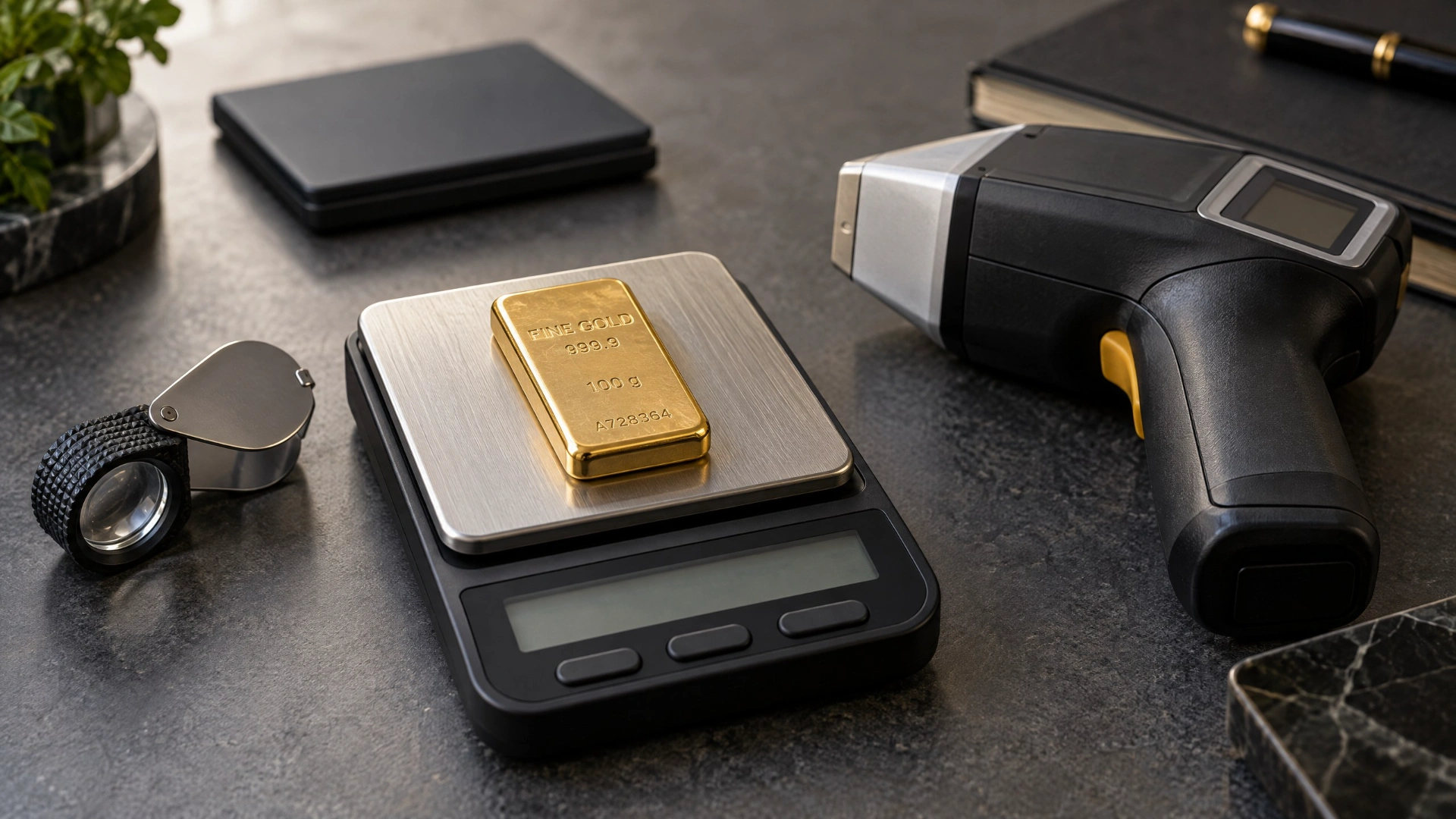
Gold in the United States is priced per troy ounce of fine gold, so every unit above converts the same way. There are three steps.
- Find the weight in grams. Use the stamped gram figure if there is one, the table above if there is not, or weigh the piece.
- Multiply by the fineness. Fineness is the share of pure gold in the metal, written in parts per thousand (999) or as a percentage. A 999 bar is multiplied by 0.999, a 96.5% Thai piece by 0.965, a 22K piece by about 0.9167. The result is grams of fine gold.
- Divide by 31.1034768. That gives troy ounces of fine gold. Melt value is that fine gold multiplied by the spot price, the live market price for one troy ounce, before any dealer margin.
A worked example: a ten-tola bar stamped 999 weighs 116.638 grams. Multiplied by 0.999, that is 116.521 grams of fine gold, which divided by 31.1034768 is about 3.746 troy ounces of fine gold. Multiply by spot and you have its melt value.
Melt value is the starting point, not the price. A dealer's buy and sell prices sit either side of spot, and our guide to spot, premiums and dealer spreads explains why. For jewelry and scrap, our karat versus fineness guide walks through how an offer is built from the same arithmetic.
Bringing Tola, Tael or Baht Gold to Our Counter
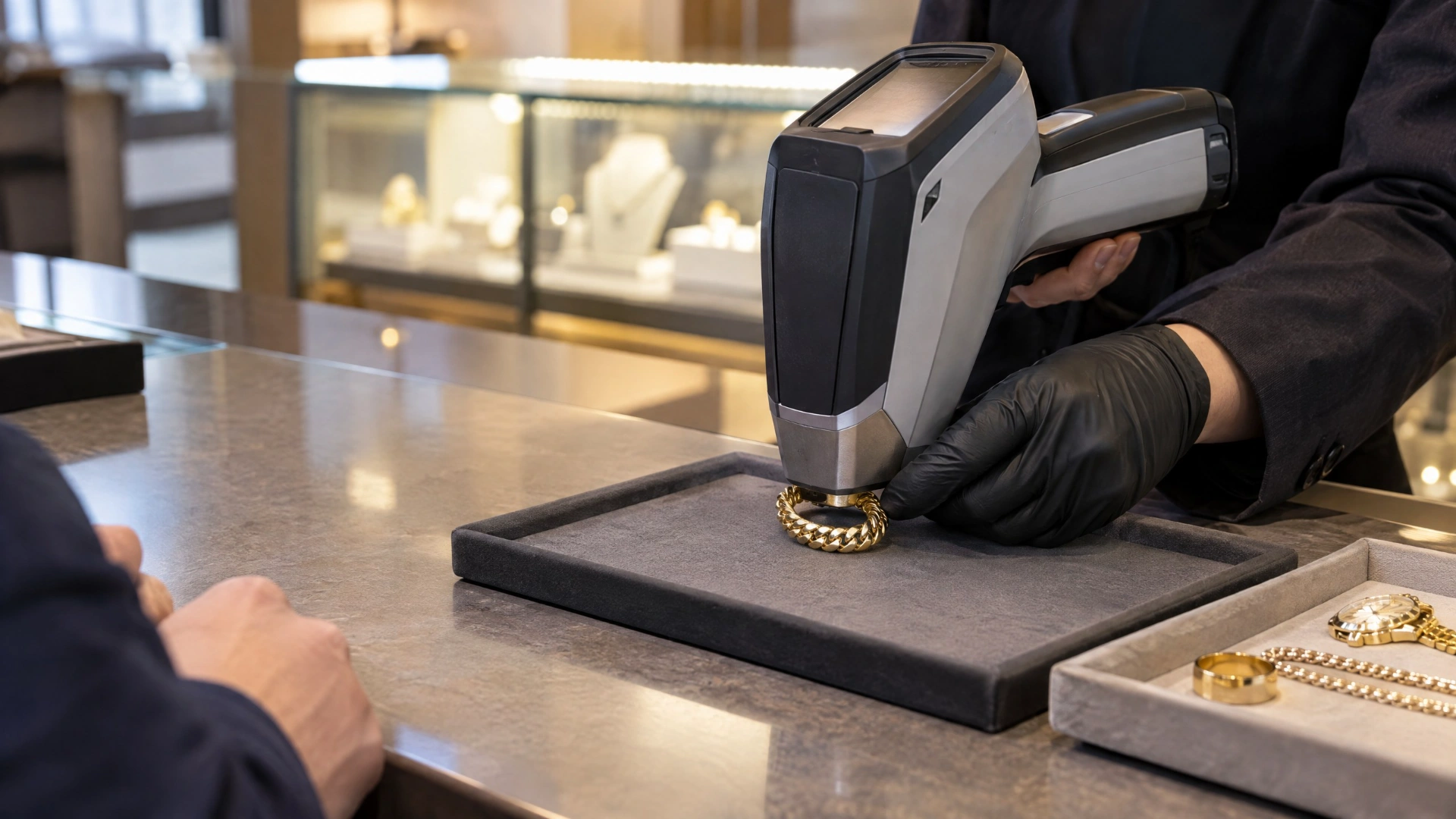
Our cash for gold page lists gold jewelry, broken or scrap gold, coins and bullion among what we buy, and states that the only thing we do not buy is gold plate. We test pieces with X-ray fluorescence (XRF), which can identify 26 different metals, and make a same-day offer based on current metal prices. If you accept, payment is made the same day. No appointment is necessary: walk-ins are welcome during normal business hours.
XRF measures the surface of a piece, so a stamp and a test together tell you more than either alone. Our guide to XRF testing covers what the instrument reads and what it can miss.
Virginia law treats these pieces differently from coins. Va. Code § 54.1-4100 defines the precious metals covered by the state's dealer chapter as any item except coins, so a tola bar, a tael bar or a baht chain falls inside the chapter and comes with its identification and record-keeping requirements. A government-issued gold coin does not. Our guide to Virginia's dealer law sets out what those requirements are.
None of the gold bars on our gold bars page is listed in a tola, tael or baht size. If you want to compare a piece you own with what is on our shelves, the conversions above put both in the same unit.
This article is educational and reflects general information about precious metals and collectible coins. It is not investment, tax or legal advice, and The Bullion Bank is not a registered investment adviser, broker-dealer or tax professional. Metal prices fluctuate and past performance does not indicate future results. Consult a qualified professional about your own situation.
Frequently Asked Questions
How many grams are in a tola of gold?
One tola is 180 grains, about 11.6638 grams. Because a troy ounce is exactly 480 grains, a tola is exactly 0.375 troy ounce, so a ten-tola bar is 116.638 grams or 3.75 troy ounces. The tola gives the weight of the piece; the karat or fineness mark tells you how much of that weight is gold.
How many grams is a tael of gold?
It depends on which tael. A Hong Kong gold tael is about 37.43 grams, based on LBMA's figure of around 187.15 grams for a five-tael bar. A Vietnamese lượng, also called a tael, is 37.5 grams. The two differ by a fraction of a gram, so ask for the gram weight when a piece is described only as "one tael".
How much does a baht of gold weigh?
A baht of gold weighs 15.244 grams, or 0.4901 troy ounce, according to the Singapore Bullion Market Association. Thai gold is commonly 96.5% fine, often called 23K, so a one-baht bar contains about 14.71 grams of fine gold. The word baht names both Thailand's currency and its gold weight.
Which is heaviest: a tola, a baht or a tael?
A tael is the heaviest. A Hong Kong gold tael is about 37.43 grams and a Vietnamese lượng 37.5 grams, against 15.244 grams for a Thai baht and about 11.6638 grams for a tola. One tael is a little over three tola, or about two and a half baht. The chỉ, at 3.75 grams, is the smallest unit here.
Does The Bullion Bank buy tola bars or Thai gold?
Yes. Our cash for gold page lists gold jewelry, scrap gold, coins and bullion among what we buy, and says the only thing we do not buy is gold plate. Pieces are tested by XRF, with a same-day offer based on current metal prices. Bring the piece to Chantilly or Vienna, or call first with questions.
Visit Us in Chantilly or Vienna
If you have gold weighed in tola, tael, lượng, chỉ or baht and want to know what it contains, bring it to either counter, or call first with a question.
The Bullion Bank — Chantilly
4086 Airline Pkwy
Chantilly, VA 20151
(703) 705-5151
Monday–Friday 11:00 AM–6:00 PM · Saturday 11:00 AM–5:00 PM · Sunday closed
The Bullion Bank — Vienna
131 Maple Ave W
Vienna, VA 22180
(703) 705-5252
Monday–Friday 11:00 AM–6:00 PM · Saturday 11:00 AM–5:00 PM · Sunday closed