Published by
Gold Expert
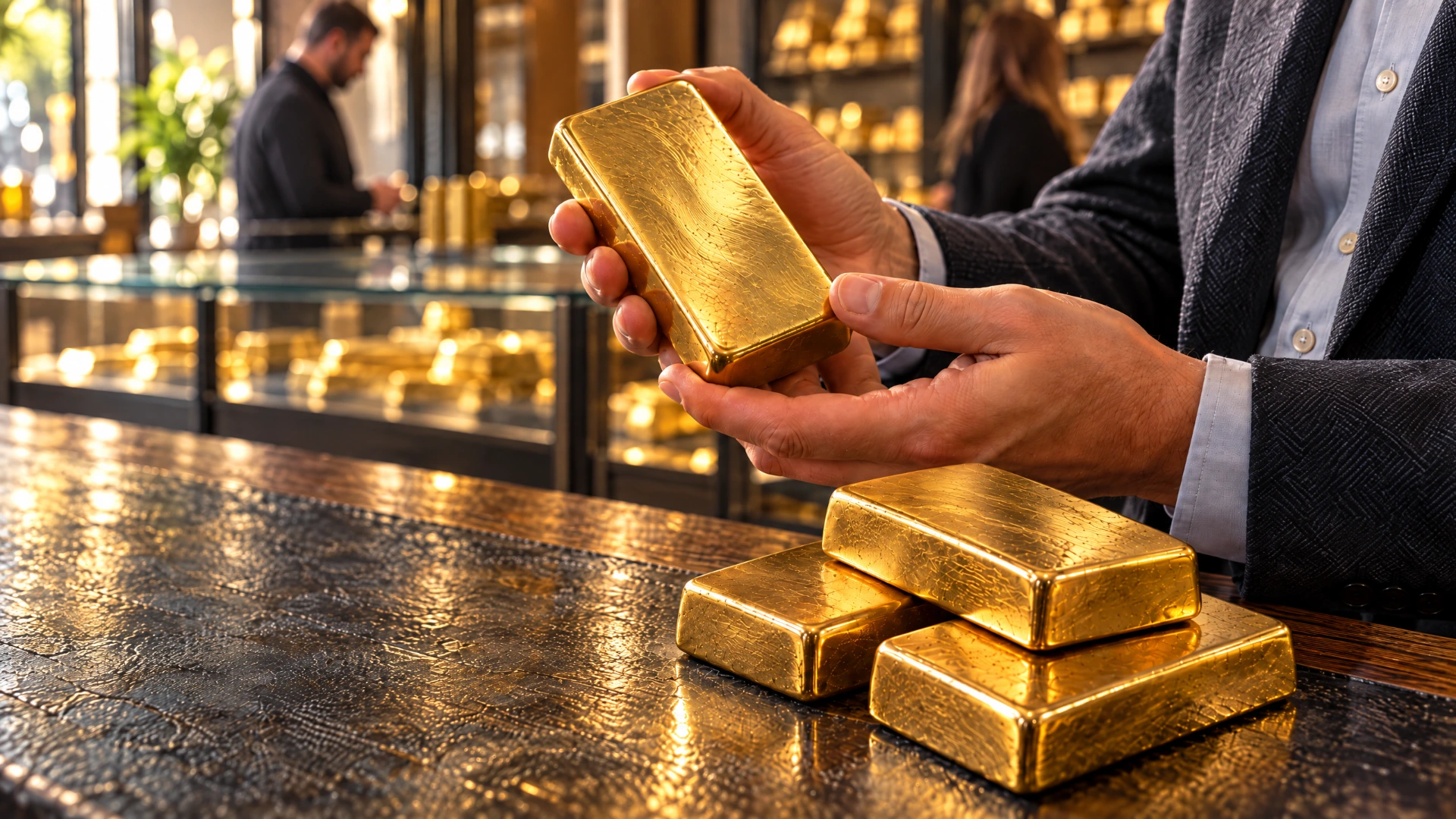
The American Gold Buffalo is the United States Mint's one-ounce, 24-karat gold bullion coin: one troy ounce of .9999 fine gold with a $50 face value, issued since 2006. When it launched, it marked the first time the U.S. government had struck pure 24-karat gold coins for investors and collectors. Its design is James Earle Fraser's 1913 Buffalo nickel, enlarged and struck in gold.
This guide covers where the coin came from, its specifications, how it differs from the American Gold Eagle, what the Mint's sales figures actually show, and what to check before buying or selling one.
This article is educational and reflects general information about precious metals and collectible coins. It is not investment, tax or legal advice, and The Bullion Bank is not a registered investment adviser, broker-dealer or tax professional. Metal prices fluctuate and past performance does not indicate future results. Consult a qualified professional about your own situation.
Where the Gold Buffalo Came From
The Gold Buffalo exists because Congress required it. The Presidential $1 Coin Act of 2005, Public Law 109-145, mandated the coin, and the Mint struck the first examples at its West Point facility in June 2006. Bullion sales began on 22 June 2006, according to the Mint's launch announcement.
Before 2006, the U.S. Mint's gold bullion coin was an alloy. The American Gold Eagle uses what the Mint calls the durable 22-karat standard established for gold circulating coinage. The Buffalo gave buyers a U.S. legal tender bullion coin in pure gold for the first time.
The Mint does not sell bullion Buffalos to the public. It sells them to Authorized Purchasers, firms that meet the Mint's financial and trading requirements, and they resell into the wider market. That is why a bullion Buffalo reaches a buyer through a dealer, while the proof version can be ordered from the Mint directly.
The Design: Fraser's 1913 Nickel in Gold
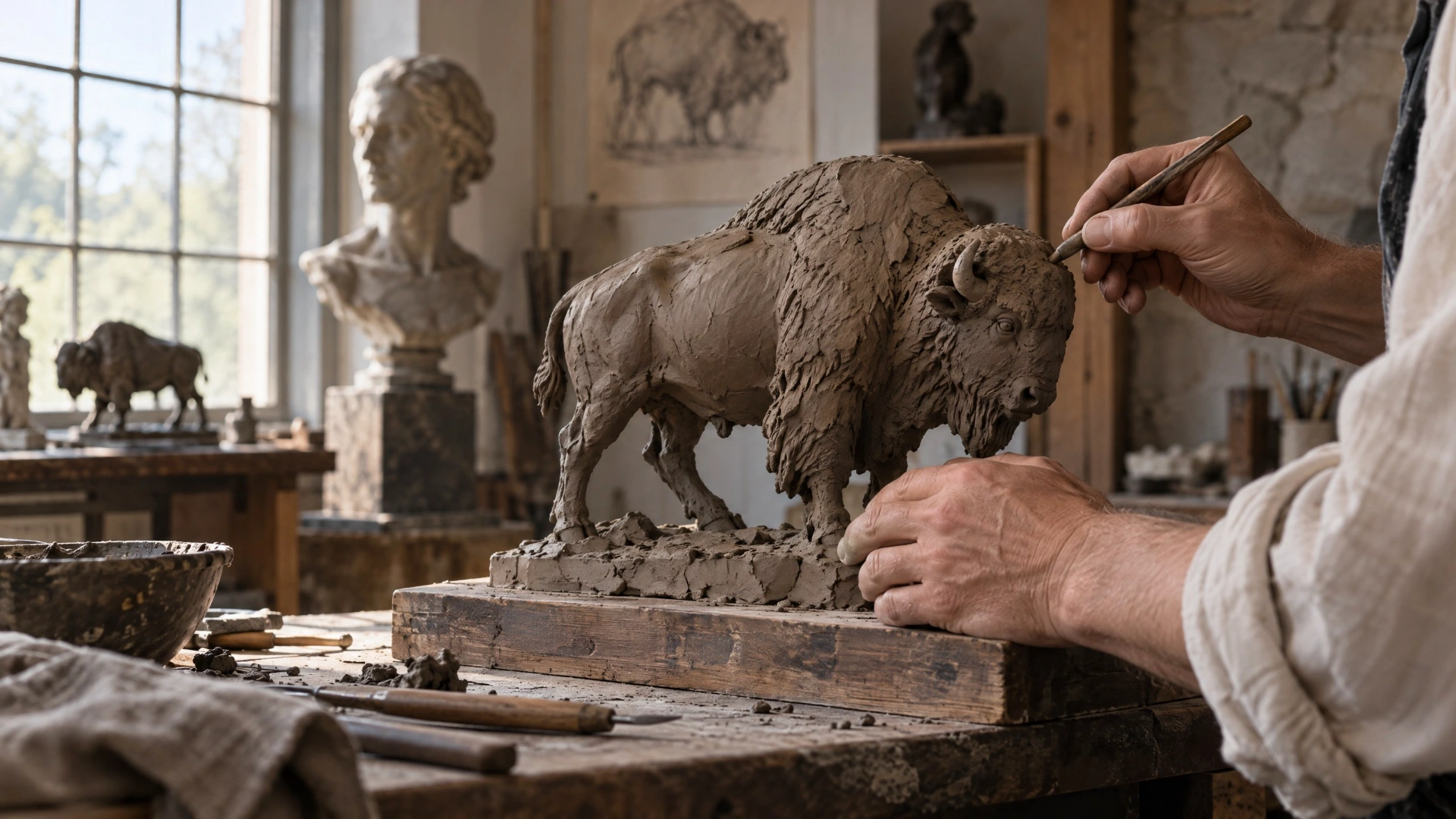
The coin's obverse carries a Native American portrait and its reverse an American bison, both taken from the Buffalo nickel that James Earle Fraser designed. The Mint produced the nickel from 1913 to 1938, and the gold coin reproduces the 1913 Type 1 design, with the bison standing on a mound.
The gold coin adds its own inscriptions. The coin's statute, 31 U.S.C. § 5112(q)(2), set the first-year design and required the weight and the denomination to be incused in the part of the reverse design known as the grassy mound, beneath the bison. The Mint's launch announcement gives the reverse inscriptions as "$50", "1 OZ" and ".9999 FINE GOLD". That placement is a quick identification point: the weight and value statements are part of the design, not a separate legend around the rim.
Specifications, Bullion and Proof
A bullion coin is a coin priced mainly on its metal content, sold in volume through dealers. A proof is the collector version, struck with polished dies for mirror fields and frosted design elements. The Buffalo comes in both, to the same gold standard.
| Specification | Bullion | Proof |
|---|---|---|
| Face value | $50 | $50 |
| Fineness | .9999 (24 karat) | .9999 (24 karat) |
| Gold content | 1.0000 troy oz (31.1035 g) | 1.000 troy oz |
| Total weight | Not published by the Mint | Not stated on the Mint's product page |
| Diameter | 32.70 mm | 32.70 mm |
| Thickness | Not published by the Mint | Not stated on the Mint's product page |
| Mint mark | None | W (West Point) |
| How it is sold | Through Authorized Purchasers and dealers | Directly by the Mint, in limited quantities |
Sources: the U.S. Mint's American Buffalo Gold Bullion Coin page and its 2025 one-ounce proof product page, which lists a product limit of 14,000 for that year. The Mint’s bullion page states that the coin’s content and purity are guaranteed by the U.S. Government. That guarantee covers the gold in the coin. It does not cover the coin's market price, which moves with gold.
The one-ounce coin is the size the bullion program is built around, and it is the only size the Mint's bullion programs page lists. Smaller sizes have appeared: in 2008 the Mint added half-ounce, quarter-ounce and tenth-ounce Buffalos for the first time, in proof and uncirculated versions, as NGC reported when the Mint announced them.
24 Karat Against 22 Karat: Gold Buffalo vs Gold Eagle
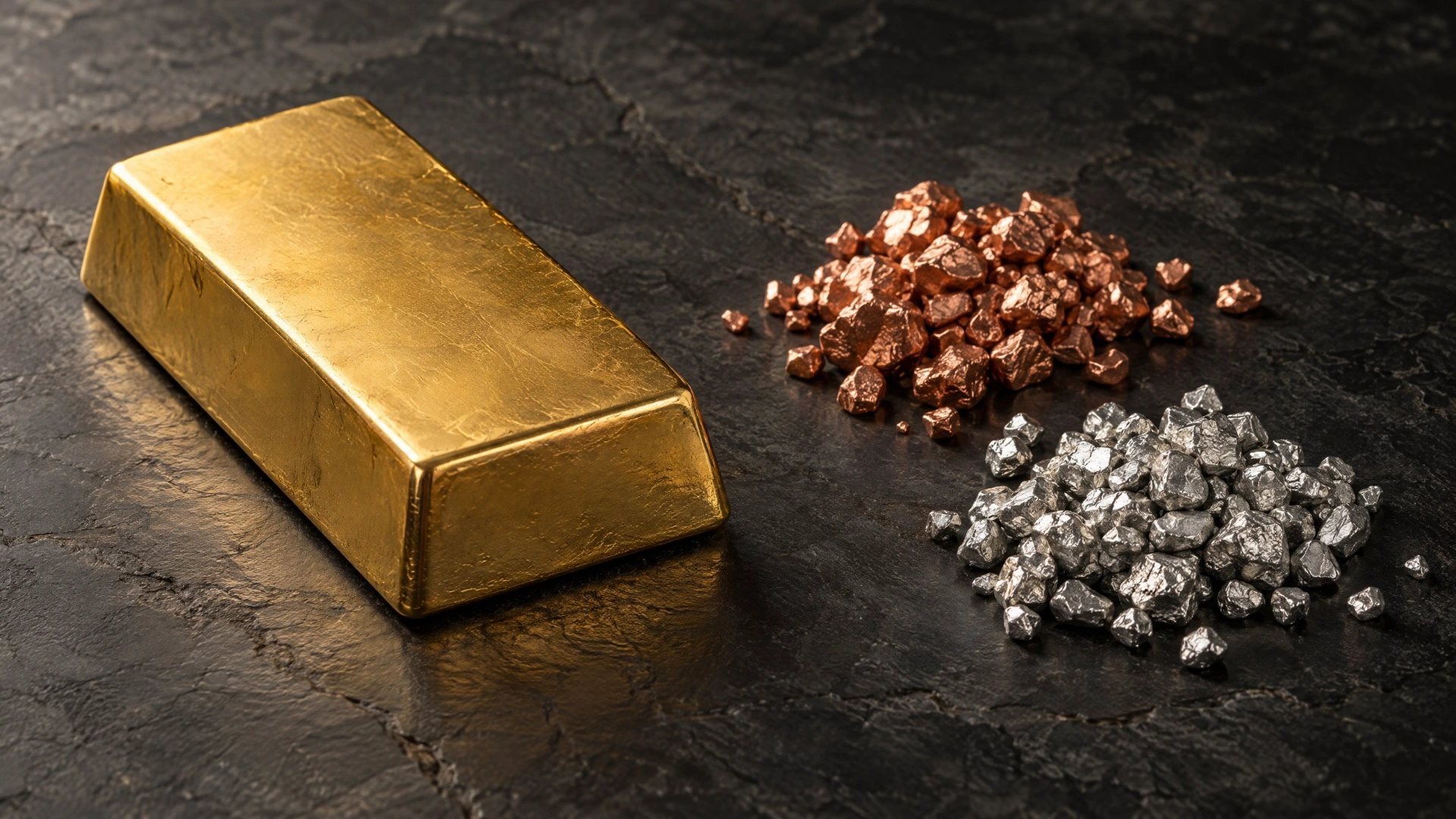
A one-ounce Gold Buffalo and a one-ounce Gold Eagle contain the same amount of gold: one troy ounce. The difference is what else is in the coin. Karat is a measure of gold purity in 24 parts, so 24 karat means the coin is essentially all gold, and 22 karat means 22 parts gold and 2 parts other metal. Fineness is the same purity written as parts per thousand, so .9999 is 999.9 parts gold.
| American Gold Buffalo | American Gold Eagle | |
|---|---|---|
| Purity | .9999 fine, 24 karat | 22 karat: 91.67% gold, 3% silver, balance copper |
| Gold in the one-ounce coin | 1 troy oz | 1 troy oz |
| Bullion sizes listed by the Mint | One ounce | One ounce, half, quarter and tenth ounce |
Composition and sizes are from the Mint's bullion programs page. Because the Eagle's alloy adds silver and copper to a full ounce of gold, the Eagle is the heavier coin of the two at the same gold content.
The practical difference is hardness. Pure gold is softer than a 22-karat alloy, so a Buffalo picks up marks more easily from handling, from other coins and from a careless tube. Hold it by the edge and keep it in its capsule or tube.
On bullion pricing, the difference between the two coins is a matter of each product's premium on the day, not of gold content. Our guide to spot prices, premiums and dealer spreads explains how that premium is built.
How Many Gold Buffalos Are Made Each Year
There is no fixed annual quantity for the bullion coin. The coin's statute, 31 U.S.C. § 5112(q)(1), leaves the number to the Treasury Secretary, as many coins "as the Secretary may determine to be appropriate", and yearly sales have varied widely.
Published sales totals show the spread. Coin World reported sales of 323,000 one-ounce coins in 2006, from just over six months on sale, and 220,500 in calendar-year 2015, which it described in December 2015 as the third-highest annual total since the series was introduced. The same report noted a gap in sales after November 2008, with sales resuming only in the final three months of 2009.
A figure of 300,000 a year sometimes circulates for the Buffalo, and it does not match these totals. The only 300,000 in the Mint's 2006 launch announcement is the mintage limit of up to 300,000 set for that year's proof, a ceiling on one collector product rather than a rule for the bullion coin. Current figures are published by the Mint, whose data page offers an American Buffalo bullion coin data file covering 2006 to 2026.
Gold Buffalos, IRAs and Virginia Tax
Product listings, ours included, describe the one-ounce Buffalo as IRA-eligible. Eligibility is a purity and product-standard test, not an approval: the IRS does not approve coins or dealers. Metal held in an IRA is kept by the IRA's trustee or custodian, not at home. Whether a particular custodian will hold the coin, and how a sale would be taxed, are questions for your custodian and a tax professional.
For buyers in Virginia, a Gold Buffalo is a legal tender coin, which places it within the state's sales-tax exemption for bullion and legal tender coins for as long as the state budget keeps that exemption in force. Our article on Virginia's bullion sales-tax exemption sets out the end date as it stood when published and how to confirm the current position.
Selling a Buffalo is also treated differently from selling jewelry. Va. Code § 54.1-4100 defines the precious metals covered by the state's dealer law as any item except coins, so the chapter's record and holding rules do not attach to a coin sale. Our guide to what Virginia law requires when you sell gold covers the rest of that chapter. Our counter still typically asks for a valid government-issued photo ID on every transaction, as our cash for gold page states.
Checking a Gold Buffalo Before You Buy or Sell
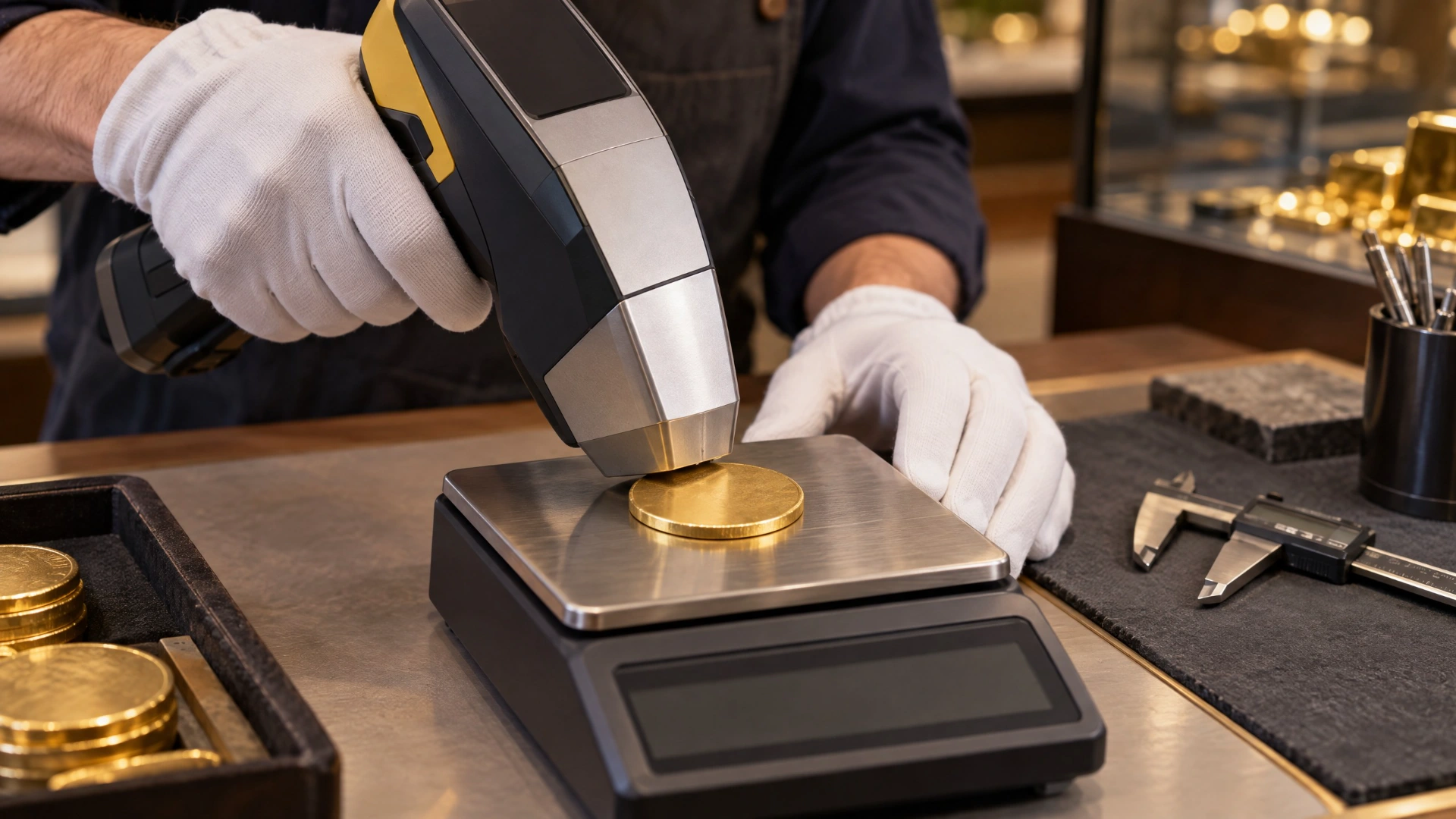
The Mint publishes two figures a buyer can check directly. A genuine one-ounce bullion coin measures 32.70 mm across and carries one troy ounce of .9999 fine gold, which the Mint gives as 31.103 g. It does not publish a thickness or a gross weight, so a pair of calipers and a scale are testing diameter and weight against those two numbers and nothing else. No tolerance is published either, so a small difference is a reason to test further rather than a conclusion.
Measurements are a start, not a verdict. X-ray fluorescence (XRF) is a test that reads which metals are present at a coin's surface, and it is how we confirm metal content at the counter. Our guide to XRF gold testing explains what the instrument measures and what it cannot see, such as a core of different metal beneath a gold layer, which is why weight and dimensions are read alongside it.
Look at the coin as well as the numbers. The weight and value in the grassy mound, the absence of a mint mark on the bullion coin, and the W on a proof are all quick visual checks.
The Gold Buffalo at The Bullion Bank
We list the Any Year 1 oz American Gold Buffalo, which was in stock on 24 October 2026. As the listing explains, the date on the coin you receive is our choice and may differ from the photo. The product page shows two prices: one for cash, check, PIN debit, wire and Zelle, and a higher one for credit card and PayPal.
If you are selling, our cash for gold counter tests and evaluates items in front of you with XRF, makes a same-day offer against live market pricing, and pays the same day if you accept. On appointments, the page answers plainly: "No. Walk-ins are welcome during normal business hours."
Frequently Asked Questions
Is the American Gold Buffalo pure gold?
Yes. The Gold Buffalo is struck in .9999 fine gold, which is 24 karat, and the one-ounce coin contains one troy ounce of gold. It was the first coin the U.S. Mint struck in pure 24-karat gold for investors and collectors, launched in June 2006 at the West Point facility.
What is the face value of a 1 oz gold Buffalo?
The one-ounce Gold Buffalo carries a $50 face value and is U.S. legal tender. The face value is nominal. The coin's market value is set by its gold content and its premium, and the government guarantee covers the coin’s content and purity, not its price.
What is the difference between a Gold Buffalo and a Gold Eagle?
Both one-ounce coins contain one troy ounce of gold. The Buffalo is .9999 fine, 24 karat. The Eagle is 22 karat, alloyed with silver and copper, which makes it harder and heavier at the same gold content. The Mint lists the Eagle in four bullion sizes and the Buffalo in one.
How many gold Buffalo coins are minted each year?
The number is not fixed. Federal law leaves the quantity to the Treasury Secretary, and the Mint sells bullion Buffalos through Authorized Purchasers. Coin World reported sales of 323,000 one-ounce coins in 2006 and 220,500 in 2015. Current totals are published on the U.S. Mint's data page.
Is the gold Buffalo IRA-eligible?
Product listings describe the one-ounce Buffalo as IRA-eligible. Eligibility is a purity and product-standard test, not an approval, and the IRS approves no coin. Ask your IRA custodian whether it will hold the coin, and ask a tax professional how a sale would be treated.
Do I need an appointment to sell a gold Buffalo at The Bullion Bank?
No. Our cash for gold page puts it this way: "No. Walk-ins are welcome during normal business hours." We test the coin with XRF in front of you and make a same-day offer against live market pricing. Both locations are listed below.
Visit Us in Chantilly or Vienna
Buying and selling precious metals in Northern Virginia since 2008. Shop the Gold Buffalo online, or bring one in to either location for testing and a same-day offer.
The Bullion Bank, Chantilly
4086 Airline Pkwy
Chantilly, VA 20151
(703) 705-5151
Hours: Monday-Friday 11am-6pm, Saturday 11am-5pm, Sunday closed
The Bullion Bank, Vienna
131 Maple Ave W
Vienna, VA 22180
(703) 705-5252
Hours: Monday-Friday 11am-6pm, Saturday 11am-5pm, Sunday closed